

Working Principle and Characteristics of Pneumatic Conveying for Graphite Electrodes
Pneumatic conveying is a widely used technique in material handling, particularly for handling materials like graphite electrodes. This method involves transporting solid particles through a pipeline using a gas stream, typically air or other gases. For graphite electrodes, which are critical components in electric arc furnaces, the efficiency and reliability of the conveying system directly impact production quality and safety. Understanding the working principle and characteristics of this process is essential for optimizing industrial operations.
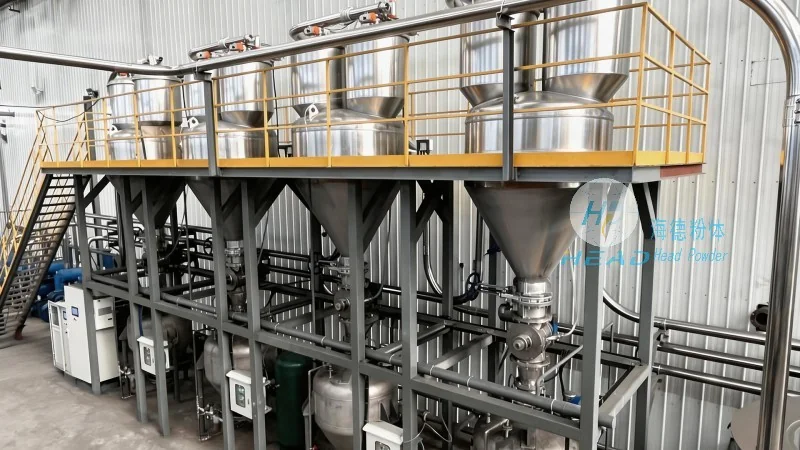
Working Principle of Pneumatic Conveying for Graphite Electrodes
The core of pneumatic conveying for graphite electrodes revolves around the interaction between the material and the air flow within a closed system. The process typically begins with the graphite electrodes being fed into a hopper or storage container. From there, a fan or blower generates a high-pressure air stream that propels the electrodes through a pipeline. The air velocity is carefully controlled to ensure the electrodes are transported without excessive wear or breakage. The system may use different modes such as dilute-phase or dense-phase conveying, depending on the material characteristics and required transport distance. In dilute-phase systems, the material is suspended in the air stream, while in dense-phase systems, the material is pushed in a slurry-like state, offering better control over particle movement.
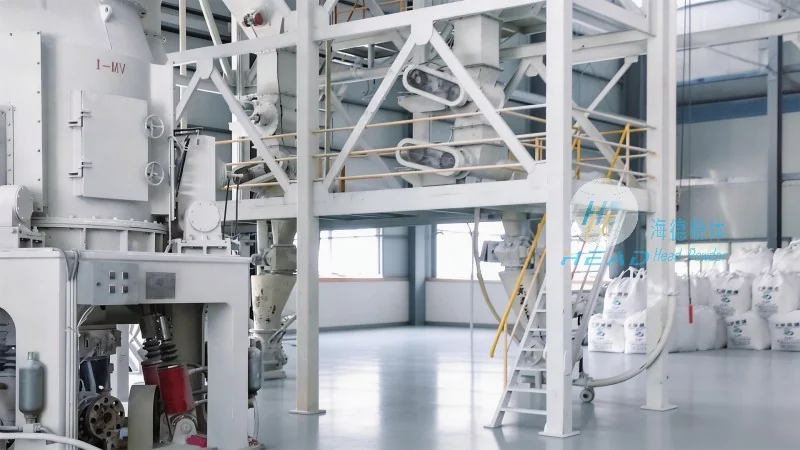
Key Characteristics and Advantages of Graphite Electrode Pneumatic Conveying
Several key characteristics define the effectiveness of pneumatic conveying for graphite electrodes. First, it offers a dust-free and enclosed transport solution, which is crucial for maintaining environmental standards and worker safety. Unlike traditional belt or bucket elevators, pneumatic systems minimize exposure to airborne particles, reducing health risks associated with graphite dust. Second, the system provides high flexibility in terms of layout, as pipelines can be installed in various configurations to suit plant layouts. This adaptability allows for efficient integration into existing production lines. Third, the conveying process is relatively fast and continuous, enabling high throughput rates suitable for large-scale industrial applications. Additionally, the system can handle a wide range of electrode sizes and shapes, from standard cylindrical forms to irregularly shaped pieces, without requiring significant modifications.
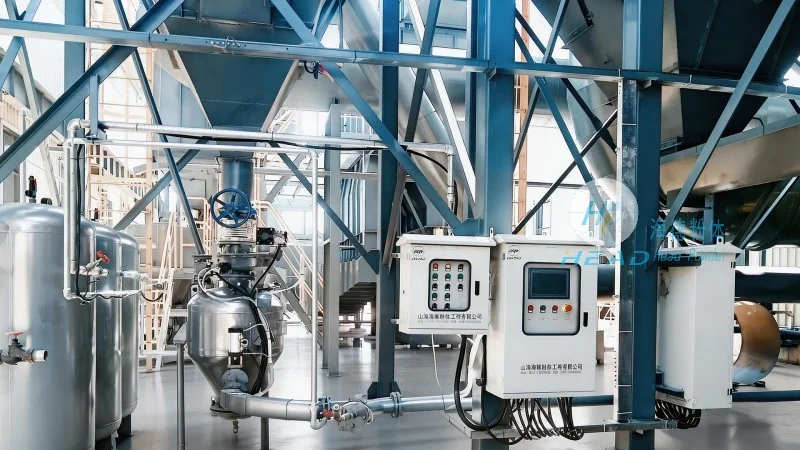
Application Scenarios and Operational Considerations
Pneumatic conveying for graphite electrodes is commonly employed in various industrial settings. For instance, in steel manufacturing plants, the system is used to transport electrodes from storage areas to the furnace loading points. The enclosed nature of the system ensures that the electrodes remain clean and free from contaminants, which is vital for maintaining the quality of the final steel product. Another application is in recycling facilities, where used graphite electrodes are collected and conveyed to processing units for reclamation. Operational considerations include maintaining proper air pressure and flow rates to prevent blockages or material degradation. Regular maintenance of the fan, pipeline, and feeding mechanisms is essential to ensure consistent performance. Additionally, monitoring the system's efficiency through flow meters and pressure sensors helps in early detection of any issues, such as clogging or air leaks.
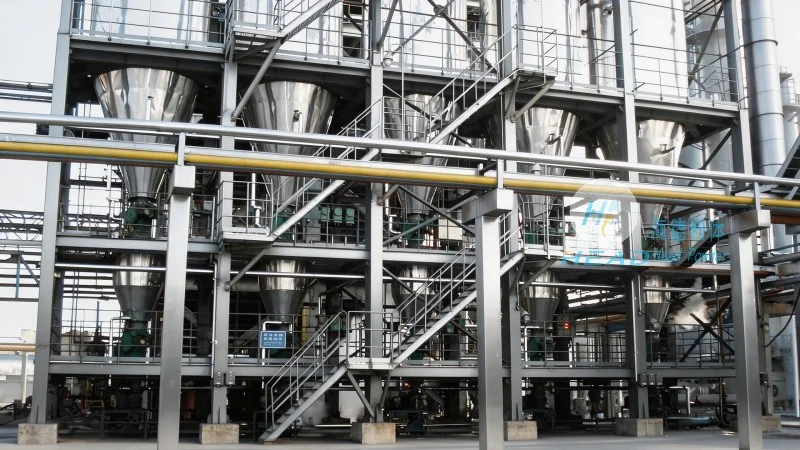
About Shandong HeadPowder Engineering Co., Ltd.
Shandong HeadPowder Engineering Co., Ltd., operating under the brand name headpowder, specializes in the design, manufacturing, and installation of advanced material handling systems, including pneumatic conveying solutions for graphite electrodes. With a focus on precision engineering and customer-centric solutions, the company has established itself as a reliable partner in the industrial sector. HeadPowder's expertise lies in tailoring systems to meet specific client requirements, ensuring optimal performance and longevity. The company's facilities are located in Shandong, China, where it leverages local resources and industry knowledge to deliver high-quality products and services. By adhering to stringent quality standards and providing comprehensive after-sales support, HeadPowder continues to serve clients across various industries, contributing to the advancement of material handling technologies.