

Working Principles and Features of Asbestos Trioxide Pneumatic Conveying
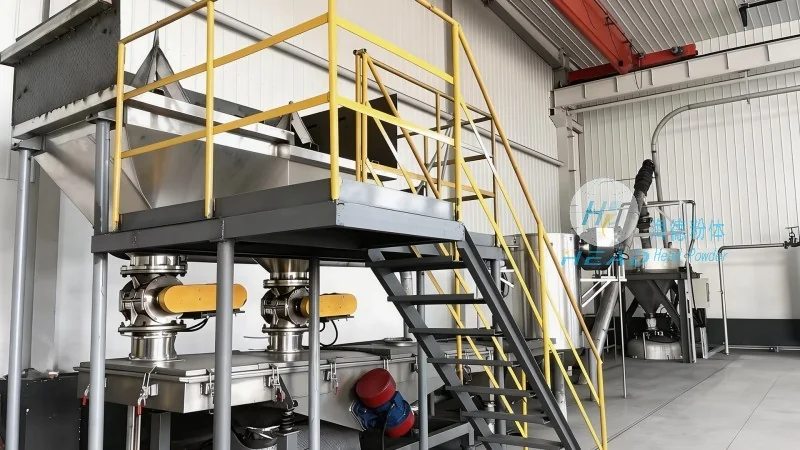
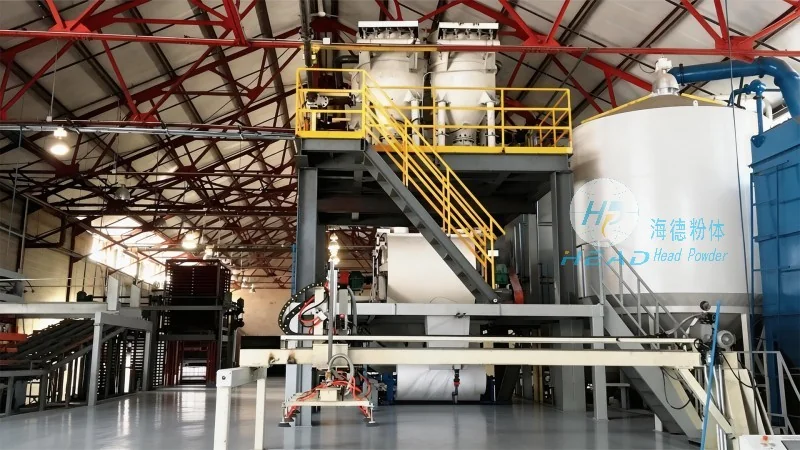
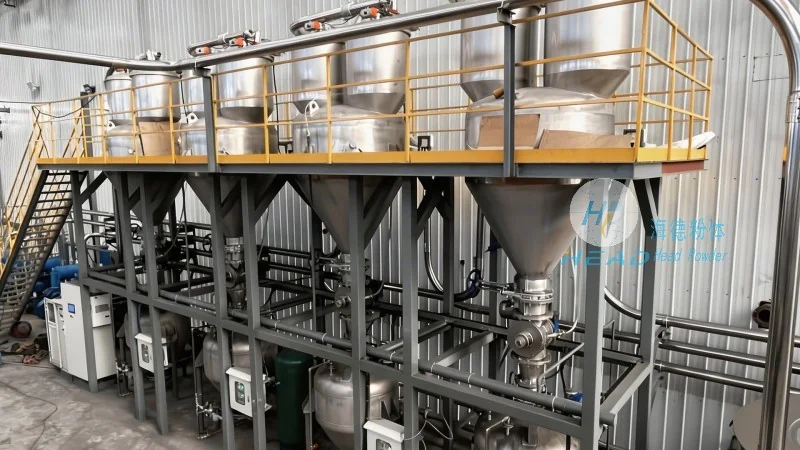
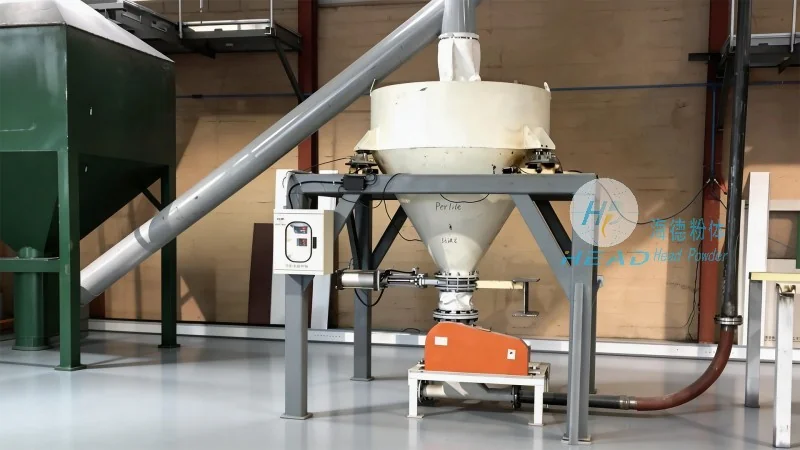
Asbestos trioxide, a chemical compound widely used in industrial applications, is commonly transported via pneumatic conveying systems. The working principle of this method relies on the use of air or gas to move the material through a pipeline. The process initiates with the material being fed into a hopper or feeder, where it is then introduced into the conveying pipeline. A fan or blower generates a flow of air, creating a pressure differential that propels the material forward. The system typically incorporates components such as a dust collector, filter, and control unit to manage air flow and ensure efficient transport. The design of the system is tailored to the physical properties of asbestos trioxide, including its particle size, density, and moisture content, to optimize conveying efficiency and minimize material degradation. The pressure and velocity of the air are carefully controlled to maintain a stable flow, preventing issues like blockages or excessive wear on system components.
Key Features of Asbestos Trioxide Pneumatic Conveying Systems
Pneumatic conveying systems for asbestos trioxide offer several distinct advantages that make them suitable for industrial applications. One primary feature is the ability to transport materials over long distances without the need for mechanical components like conveyor belts or buckets. This reduces maintenance costs and operational downtime, enhancing overall efficiency. Another crucial feature is the enclosed system design, which effectively contains dust and prevents environmental contamination, a critical aspect when handling hazardous materials like asbestos trioxide. The system allows for precise control over the material flow rate and pressure, ensuring consistent performance and minimizing material loss or spillage. Additionally, pneumatic conveying can handle materials with varying particle sizes and shapes, making it versatile for different industrial processes. The use of air as the conveying medium reduces wear and tear on equipment, extending the lifespan of system components. Furthermore, the system can be integrated with other processing equipment, such as reactors or reactors, to form a continuous production line, enhancing operational efficiency and streamlining the manufacturing process.
Company Information: Shandong HeadPowder Engineering Co., Ltd.
Shandong HeadPowder Engineering Co., Ltd., operating under the brand name headpowder, is a professional manufacturer and supplier specializing in pneumatic conveying systems and related industrial equipment. The company has established itself as a reliable partner in the industry, focusing on providing high-quality solutions for material handling. Headpowder's expertise lies in designing and manufacturing systems tailored to the specific needs of clients, ensuring that the equipment meets the highest standards of performance and safety. The company's facilities are located in Shandong, China, where it leverages advanced technology and a skilled workforce to develop innovative solutions for various industrial applications. By combining technical expertise with a customer-centric approach, headpowder aims to deliver efficient and reliable pneumatic conveying systems that enhance productivity and operational safety for its clients. The company adheres to strict quality control measures, ensuring that all products meet international industry requirements and deliver superior performance in real-world applications.