

Working Principle and Features of a Powdered Milk Pneumatic Conveying System
For the efficient and hygienic handling of powdered milk, pneumatic conveying systems have become a cornerstone in modern dairy processing. These systems offer a reliable method for transporting bulk materials like powdered milk from one location to another within a production facility. Understanding the working principle and key features of such a system is crucial for optimizing operational efficiency and maintaining product quality.
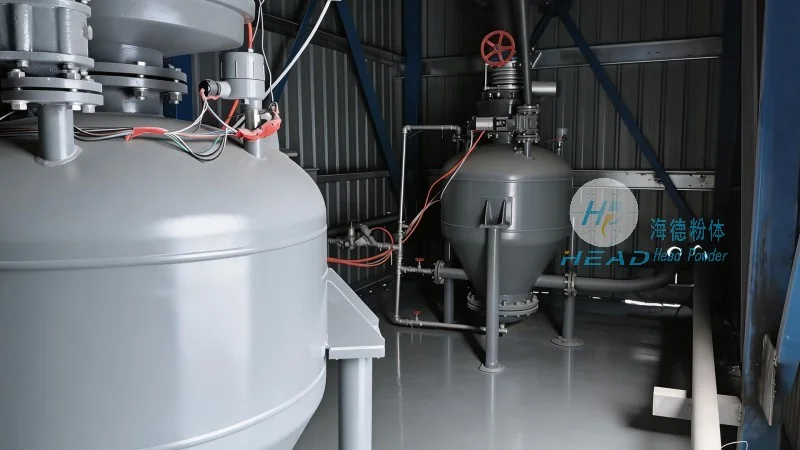
Working Principle of a Powdered Milk Pneumatic Conveying System
A powdered milk pneumatic conveying system operates by using compressed air or a vacuum to move the product through a network of pipes. The core components typically include a hopper for material storage, a conveyor line (either positive pressure or negative pressure), and a receiver for the discharged material. The system can be categorized into two main types: positive pressure and negative pressure systems, each with distinct operational mechanisms.
In a positive pressure system, compressed air is introduced into the hopper, creating an overpressure that forces the powdered milk into the conveyor line. The air and material mixture travels through the pipes to the discharge point, where the air is separated from the product and either vented or recycled. This method is effective for short to medium distances and can handle a wide range of materials, including sensitive products like powdered milk that require minimal agitation.
Conversely, a negative pressure system operates by creating a vacuum in the conveyor line, which draws the powdered milk from the hopper into the system. The material is then carried through the pipes by the air flow generated by a fan or blower at the discharge end. Negative pressure systems are often preferred for longer distances and for handling materials that are more prone to dust or require a more controlled environment. Both systems are designed to minimize product degradation and ensure a clean, efficient transfer process.
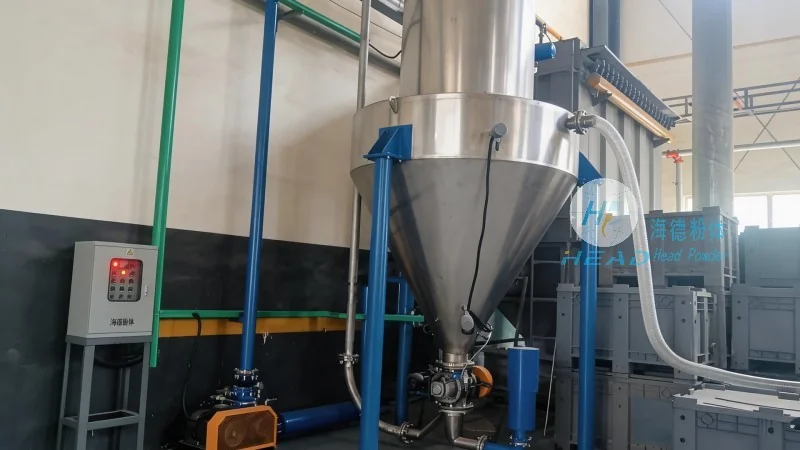
Key Features of a Powdered Milk Pneumatic Conveying System
The features of a powdered milk pneumatic conveying system are tailored to meet the stringent requirements of the dairy industry, focusing on hygiene, efficiency, and product integrity. One of the most notable features is its ability to maintain a closed system, which prevents contamination from external sources and reduces dust emissions. This is critical for maintaining the high standards of food safety and regulatory compliance in the dairy sector.
Another key feature is the system's flexibility in handling different product types and flow rates. Modern pneumatic conveying systems can be customized to accommodate various powdered milk formulations, including different particle sizes and moisture contents. This adaptability allows manufacturers to scale operations and adjust to changing production needs without significant modifications to the equipment.
Efficiency is a primary advantage of pneumatic conveying systems, as they can transport materials at high speeds with minimal energy consumption compared to traditional methods like belt conveyors or elevators. The reduced need for mechanical parts also lowers maintenance costs and downtime, contributing to overall operational savings. Additionally, the system's ability to handle vertical and horizontal transport in a single line simplifies the layout of production facilities, optimizing space utilization.
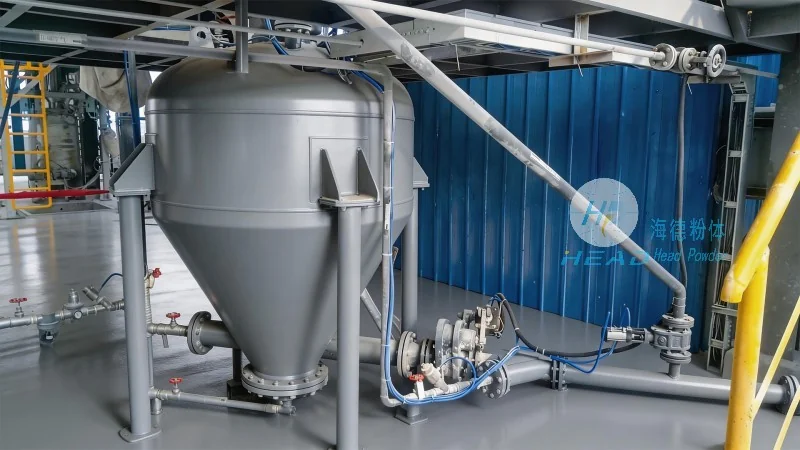
Applications and Benefits in the Dairy Industry
Powdered milk pneumatic conveying systems are widely used in various stages of dairy processing, from raw material handling to final product packaging. They are essential for moving powdered milk from storage silos to mixing tanks, from production lines to packaging machines, and even for cleaning and maintenance operations. The benefits extend beyond operational efficiency, as these systems help maintain product quality by minimizing exposure to air, light, and contaminants.
For example, in a large-scale dairy plant, a pneumatic conveying system can efficiently transport large volumes of powdered milk from the receiving area to the production floor, ensuring a continuous and smooth workflow. The system's ability to handle high throughput without compromising product integrity makes it indispensable for meeting the demands of modern dairy production. Furthermore, the hygienic design of these systems, with smooth surfaces and easy-to-clean components, aligns with industry standards such as FDA and EU regulations, providing peace of mind to manufacturers and consumers alike.
Conclusion
In conclusion, a powdered milk pneumatic conveying system is a sophisticated and essential piece of equipment in the dairy industry, combining advanced technology with practical design to meet the demanding requirements of modern food processing. By understanding its working principle and leveraging its key features, dairy manufacturers can enhance their operational efficiency, ensure product quality, and maintain compliance with industry standards. As a leading provider in this field, Shandong HeadPowder Engineering Co., Ltd., based in China, specializes in designing and manufacturing high-quality pneumatic conveying systems tailored to the unique needs of the dairy sector, helping businesses achieve optimal performance and reliability in their production processes.