

Working Principle and Features of Bone Powder Pneumatic Conveying Systems
Bone powder, a fine particulate material often used in food processing, pharmaceuticals, and animal feed industries, requires efficient and hygienic handling methods. Pneumatic conveying systems have emerged as a preferred solution for transporting bone powder due to their ability to maintain product integrity while ensuring minimal contamination. This article explores the working principle and key features of such systems, highlighting their application in industrial settings. The information provided is based on the expertise of Shandong HeadPowder Engineering Co., Ltd., a leading manufacturer of pneumatic conveying systems specializing in bone powder and other fine particulate materials.
Working Principle of Pneumatic Conveying Systems
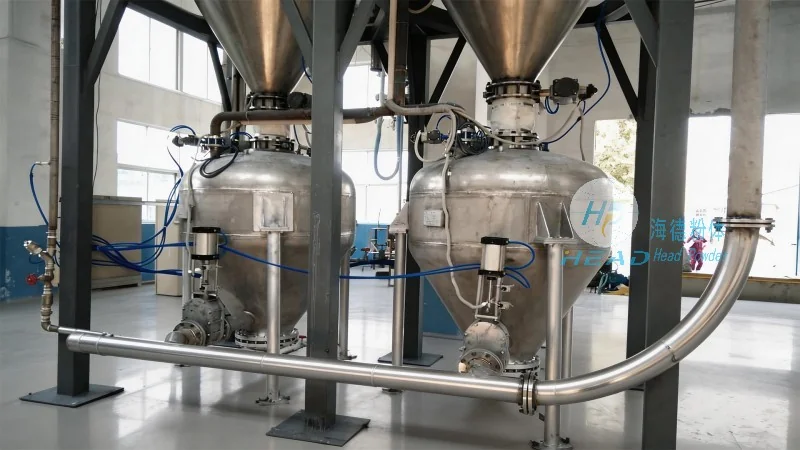
The core mechanism of a bone powder pneumatic conveying system involves the use of air or gas to transport solid particles through a pipeline. The process typically begins with the material being fed into a hopper or feeder, where it is then drawn into a venturi or a pressure vessel. As air is introduced, it creates a low-pressure zone that pulls the bone powder particles into the air stream, forming a suspension. This mixture travels through the pipeline to the destination point, such as a storage silo or processing unit. The system may operate under either pressure or vacuum conditions, depending on the specific requirements of the application. In pressure systems, air is compressed and forced through the pipeline, pushing the bone powder particles along. In vacuum systems, a vacuum pump creates a negative pressure that draws the material into the air stream. The efficiency of the conveying process is influenced by factors like particle size, moisture content, and the air velocity within the pipeline. For instance, finer bone powder particles may require higher air velocities to maintain suspension and prevent clogging, while larger particles may need lower velocities to avoid excessive wear on the system components.
Key Components of the System
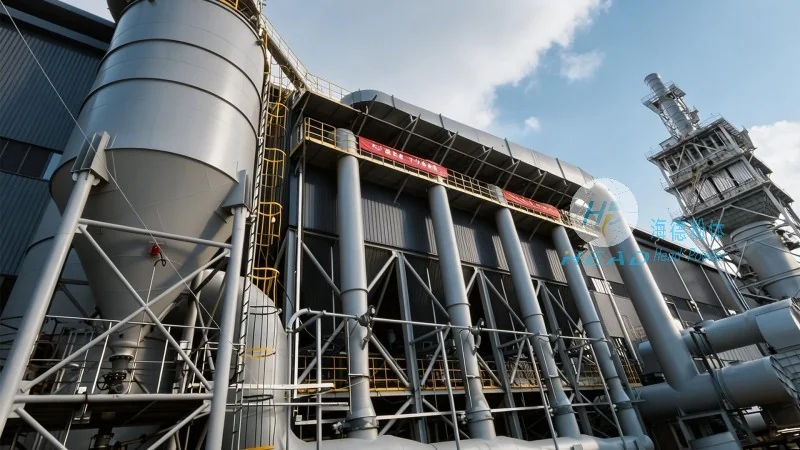
Several critical components work in tandem to ensure the smooth operation of a bone powder pneumatic conveying system. These include the hopper or feeder, which holds the bone powder and controls the flow rate; the air compressor or vacuum pump, which generates the necessary air pressure or vacuum; the venturi or pressure vessel, which mixes the air and powder; and the pipeline network, which transports the material to the desired location. Additionally, the system may incorporate filters, cyclones, or separators to remove any excess air or fine particles, ensuring that the delivered bone powder remains clean and free from contaminants. The design of these components is crucial for optimizing the conveying efficiency and maintaining product quality. For example, the hopper is often equipped with a rotary valve or a screw feeder to provide a controlled and consistent material flow, preventing blockages and ensuring uniform particle distribution. The air compressor, whether a positive displacement or centrifugal type, must be capable of delivering the required pressure and volume to maintain the desired conveying rate. The venturi or pressure vessel is designed to maximize the mixing efficiency, ensuring that the bone powder particles are fully suspended in the air stream without settling prematurely.
Advantages of Pneumatic Conveying for Bone Powder
Implementing a pneumatic conveying system for bone powder offers several advantages over traditional methods like belt conveyors or bucket elevators. Firstly, it provides a hygienic and dust-free environment, which is essential for industries where product purity is paramount. The enclosed system prevents contamination from external sources and reduces the risk of dust exposure for operators. Secondly, pneumatic conveying allows for flexible and compact layouts, as the pipeline can be installed in various configurations without the need for large, bulky equipment. This makes it suitable for facilities with limited space, such as small-scale food processing plants or pharmaceutical labs. Thirdly, the system can handle a wide range of particle sizes and moisture levels, making it versatile for different bone powder applications. For instance, bone powder used in animal feed may have higher moisture content and larger particle sizes compared to that used in pharmaceutical formulations, and the pneumatic system can adapt to these variations. Furthermore, it offers high throughput rates, enabling efficient material transport even for large volumes of bone powder. The ability to control the flow rate and pressure also allows for precise dosing, which is beneficial in processes that require accurate material measurement, such as in the production of gelatin or animal feed supplements. This precision helps in maintaining consistent product quality and reducing waste.
Features that Enhance System Performance
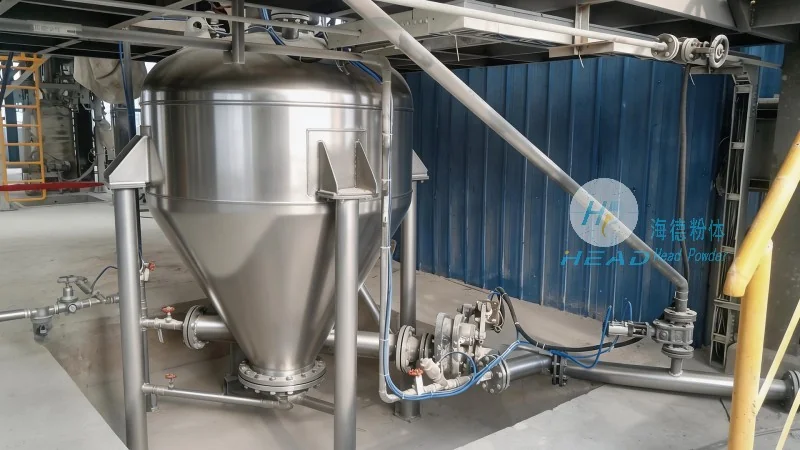
Modern bone powder pneumatic conveying systems incorporate several features that enhance their performance and reliability. One such feature is the use of variable frequency drives (VFDs) for the air compressor, which allows for adjustable air pressure and flow, adapting to changing production demands. This not only improves energy efficiency by reducing power consumption during low-demand periods but also extends the lifespan of the system components by preventing excessive wear from constant high-pressure operation. Another important feature is the integration of sensors and monitoring systems, which provide real-time data on the system's performance, such as pressure, flow rate, and material level. This enables operators to detect and address issues promptly, minimizing downtime and ensuring consistent operation. For example, a pressure sensor can alert the operator if the air pressure drops below the optimal level, indicating a potential blockage or leak in the pipeline. The system may also include automatic cleaning mechanisms, such as pulse jets or reverse airflow, to maintain the cleanliness of the pipeline and prevent clogging. These features collectively contribute to a more reliable and efficient operation, reducing maintenance costs and improving overall productivity. Additionally, some systems are equipped with dust collection and filtration units to comply with environmental regulations, ensuring that the operation is environmentally friendly.