

Common PP Conveying Methods and the Advantages of HeadPowder's PP Pneumatic Conveying Systems
PP (polypropylene) is a widely used thermoplastic polymer in various industries due to its excellent chemical resistance, durability, and low cost. Efficient and reliable conveying of PP materials is crucial for industrial processes, and different methods are employed based on specific requirements such as material properties, distance, and environmental considerations. This article explores common PP conveying methods and highlights the advantages of HeadPowder's PP pneumatic conveying systems.
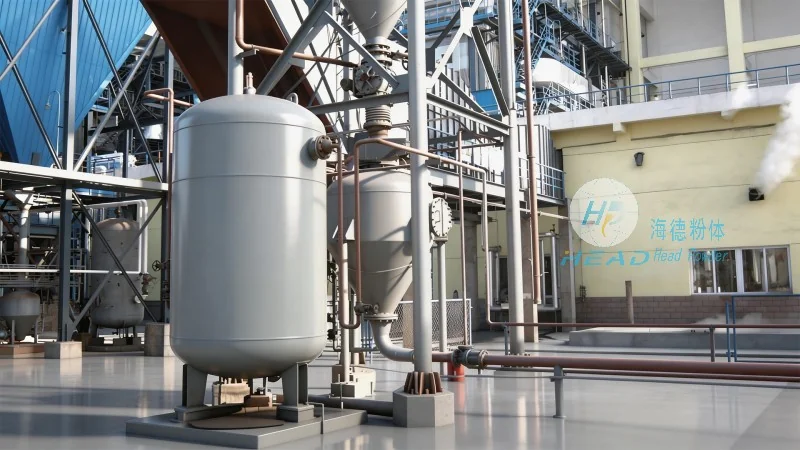
Introduction to Common PP Conveying Methods
Conveying PP materials involves transporting bulk solids from one location to another. Several methods are commonly used in industrial settings, each with its own set of advantages and limitations. The primary methods include mechanical conveying, such as screw conveyors and belt conveyors, and pneumatic conveying, which utilizes air or gas to move materials. Mechanical systems are often suitable for short distances and relatively low volumes, while pneumatic systems excel in longer distances and more complex material handling needs.
HeadPowder's PP Pneumatic Conveying Systems: Key Advantages
HeadPowder, a leading manufacturer of material handling equipment, specializes in providing advanced PP pneumatic conveying solutions. Their systems are designed to address the unique challenges associated with PP material properties, such as low friction and potential static buildup. The company's approach focuses on optimizing efficiency, safety, and environmental compliance. Key advantages of HeadPowder's PP pneumatic conveying systems include high conveying efficiency, minimal material degradation, and reduced maintenance requirements.
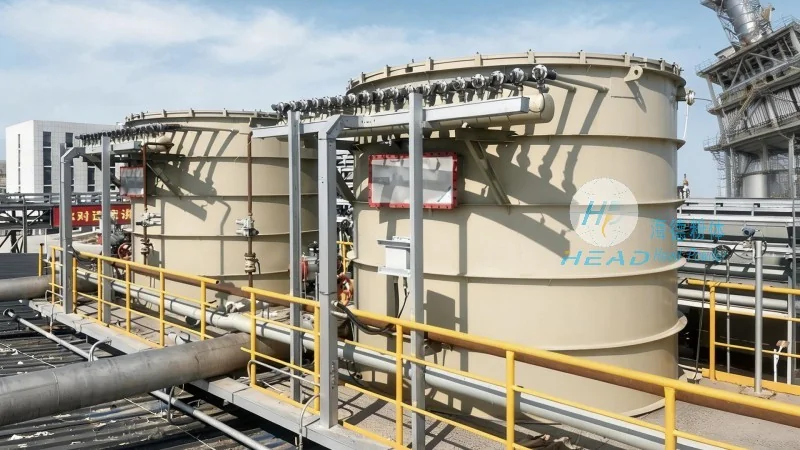
Technical Features and Performance
HeadPowder's PP pneumatic conveying systems incorporate several technical features that enhance performance and reliability. These systems typically use positive pressure or negative pressure (vacuum) to transport PP particles. The positive pressure systems are preferred for long-distance conveying and can handle larger volumes, while negative pressure systems are suitable for short distances and require less air volume. The equipment is equipped with advanced control systems that allow for precise pressure regulation and material flow monitoring. This ensures consistent performance and reduces the risk of clogging or blockages, which are common issues in PP conveying.
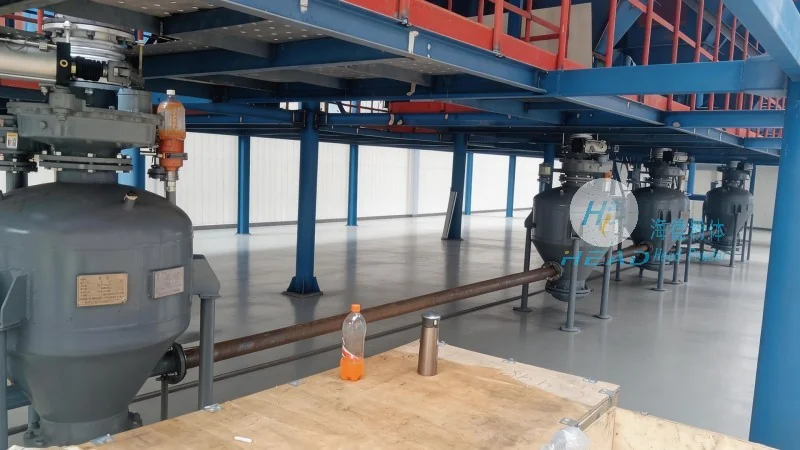
Application Scenarios
HeadPowder's PP pneumatic conveying systems are widely used in various industries where PP materials are processed or handled. In the chemical industry, these systems are employed for transporting PP pellets from storage silos to processing lines. In the food and pharmaceutical sectors, the systems are designed to meet stringent hygiene and safety standards, ensuring that the PP materials are conveyed without contamination. Additionally, the systems are suitable for applications in the plastics manufacturing industry, where efficient and clean conveying of PP resin is essential for maintaining product quality.
Conclusion
When considering PP conveying methods, it is essential to evaluate the specific requirements of the application. While mechanical systems may be suitable for certain scenarios, pneumatic conveying offers significant advantages, especially for longer distances and more demanding material handling needs. HeadPowder's PP pneumatic conveying systems provide a reliable and efficient solution, leveraging advanced technology and engineering expertise to meet the needs of modern industrial processes. As a company based in Shandong, China, HeadPowder has established itself as a trusted provider of material handling solutions, committed to delivering high-quality products and services to its global clients.