

[Polyvinylidene Fluoride (PVDF) Conveying Methods: An Introduction to HeadPowder's PVDF Pneumatic Conveying Solutions]
When it comes to handling Polyvinylidene Fluoride (PVDF), a high-performance fluoropolymer known for its exceptional chemical resistance, thermal stability, and mechanical strength, selecting the right conveying method is crucial for ensuring efficiency, safety, and product integrity. PVDF is widely used in industries such as chemical processing, pharmaceuticals, and semiconductor manufacturing, where its unique properties make it indispensable. However, due to its high density, abrasive nature, and potential for static buildup, conventional bulk material handling techniques may present challenges. This article explores various PVDF conveying methods and highlights the innovative solutions offered by Shandong HeadPowder Engineering Co., Ltd., commonly known as HeadPowder, a leading provider of specialized material handling systems.
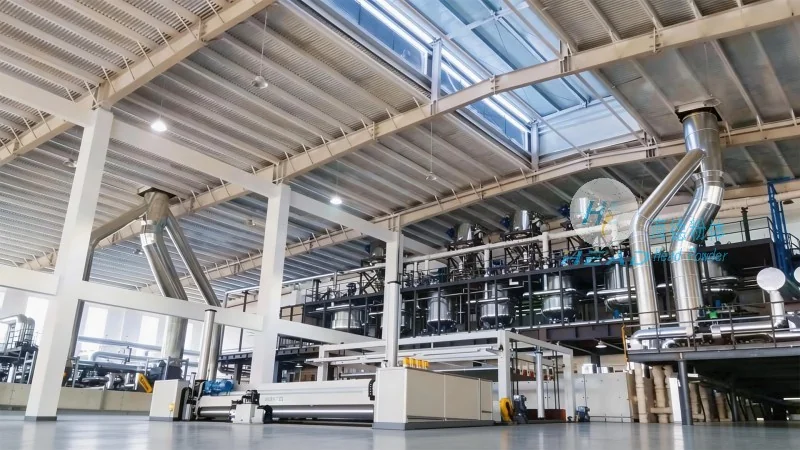
PVDF Material Characteristics and Conveying Challenges
Polyvinylidene Fluoride (PVDF) is a fluorinated polymer that exhibits outstanding resistance to a wide range of chemicals, including acids, bases, and solvents. It also maintains its mechanical properties over a broad temperature range, from -40°C to +150°C, making it suitable for demanding applications. However, these same properties also contribute to challenges in bulk handling. PVDF powders are often fine, free-flowing, and prone to static electricity, which can cause caking, bridging, and equipment damage. Additionally, their abrasive nature may lead to wear on conveying components if not handled properly. These factors necessitate specialized conveying systems designed to address the unique characteristics of PVDF.
Common Conveying Methods for PVDF and Their Limitations
Several conventional bulk material handling methods are used for transporting PVDF, including belt conveyors, screw conveyors, and bucket elevators. Belt conveyors are effective for horizontal and slight incline transport but may struggle with fine powders that tend to slip or create dust. Screw conveyors are suitable for moderate bulk densities but can suffer from material buildup and wear due to PVDF's abrasive properties. Bucket elevators are used for vertical transport but may experience issues with static discharge and material segregation. While these methods can be adapted, they often require additional maintenance and may not fully optimize the handling of PVDF's unique properties.
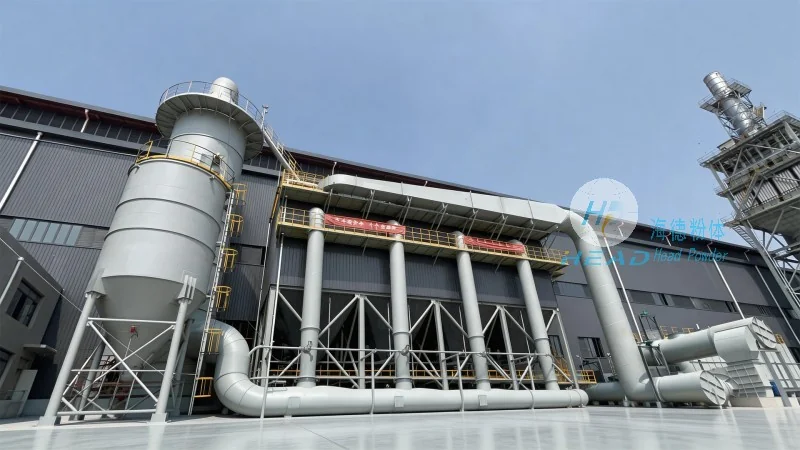
HeadPowder's Pneumatic Conveying Solutions for PVDF
HeadPowder, headquartered in Shandong, China, specializes in developing advanced pneumatic conveying systems tailored to the specific needs of PVDF and other high-value, challenging materials. The company's expertise lies in designing systems that address the challenges of static electricity, abrasion, and material flow, ensuring reliable and efficient transport. HeadPowder's pneumatic conveying solutions utilize positive pressure or negative pressure systems, depending on the application requirements, to move PVDF from storage to processing equipment. The systems are equipped with features such as static elimination devices, wear-resistant components, and controlled flow mechanisms to maintain product quality and system longevity.
Key Features of HeadPowder's PVDF Pneumatic Conveying Systems
HeadPowder's PVDF pneumatic conveying systems are engineered with several key features to ensure optimal performance. First, the systems incorporate static control measures, including grounding and ionization devices, to prevent static buildup and associated hazards. This is critical for PVDF, as static can cause material caking and equipment malfunctions. Second, the components are constructed from wear-resistant materials, such as stainless steel or specialized polymers, to withstand the abrasive nature of PVDF powders. This reduces maintenance costs and extends the system's operational life. Third, the conveying lines are designed with smooth, low-friction surfaces to minimize material degradation and ensure consistent flow rates. Additionally, the systems are equipped with monitoring and control technologies that allow for real-time adjustments to maintain optimal conveying conditions.
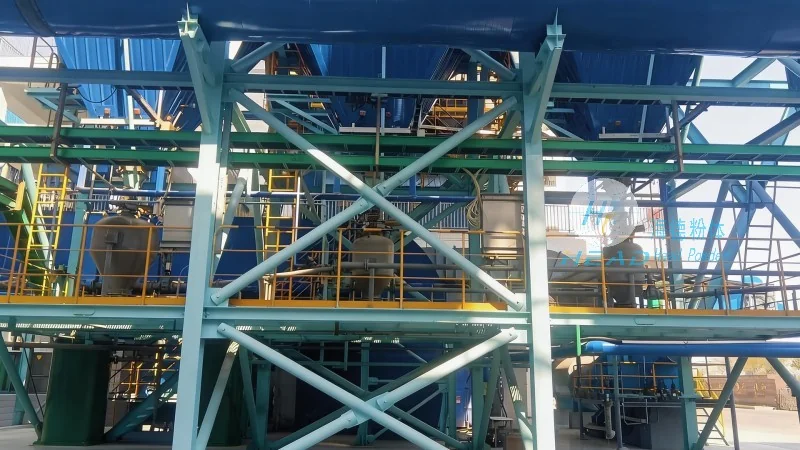
Application Examples and Benefits
HeadPowder's PVDF pneumatic conveying systems have been successfully implemented in various industrial applications. For instance, in chemical processing plants, the systems efficiently transport PVDF powders from bulk storage silos to reactors, ensuring precise dosing and minimizing material loss. In pharmaceutical manufacturing, the systems handle PVDF used in drug delivery devices, maintaining strict contamination control and product integrity. The benefits of using HeadPowder's solutions include improved process efficiency, reduced downtime due to maintenance, and enhanced safety through static control. Additionally, the systems contribute to lower operational costs by minimizing material waste and extending equipment lifespan.
Conclusion and Contact Information
For industries dealing with Polyvinylidene Fluoride (PVDF), selecting an appropriate conveying method is essential to maximize productivity and ensure product quality. HeadPowder, with its specialized expertise and innovative solutions, provides reliable pneumatic conveying systems that address the unique challenges of PVDF handling. By leveraging advanced technology and a deep understanding of material properties, HeadPowder helps clients achieve efficient, safe, and cost-effective bulk material transport. If you are looking to optimize your PVDF conveying processes, consider partnering with HeadPowder to explore tailored solutions that meet your specific operational needs.