

Working Principle and Features of Dry Sand Pneumatic Conveying Equipment
For industries dealing with dry sand and similar bulk materials, efficient and reliable material handling is crucial. Dry sand pneumatic conveying equipment offers a solution that combines performance, flexibility, and durability. This article explores the working principle and key features of such equipment, providing insights into how it operates and the advantages it brings to material transport processes.
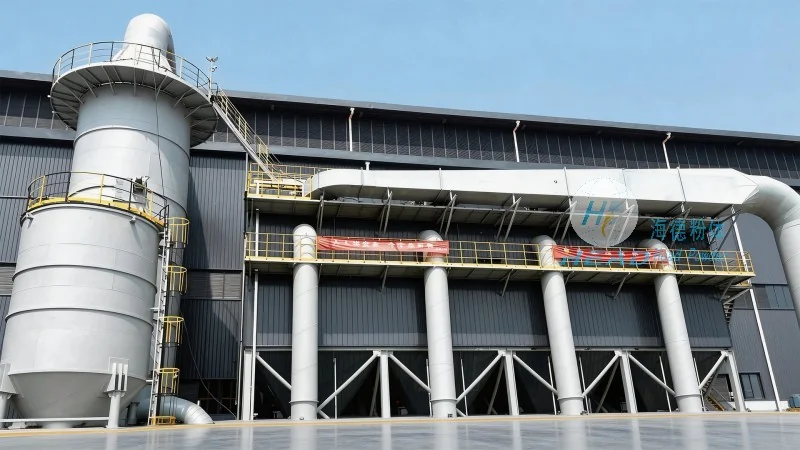
Understanding the Working Principle of Dry Sand Pneumatic Conveying Equipment
Dry sand pneumatic conveying systems operate on the principle of using air pressure to move dry materials through a pipeline. The process typically involves several key components, including a material feeder, a blower or compressor, a conveying line, and a discharge device. The material is first fed into the system, often via a hopper or a rotary valve, and then introduced into the air stream. The air, which is generated by the blower, carries the dry sand particles along the pipeline to the destination point. At the end of the line, the air is separated from the material, and the sand is collected in a container or hopper. The air is then filtered and returned to the system, completing the cycle. This method eliminates the need for mechanical components like belts or buckets, reducing wear and maintenance costs.
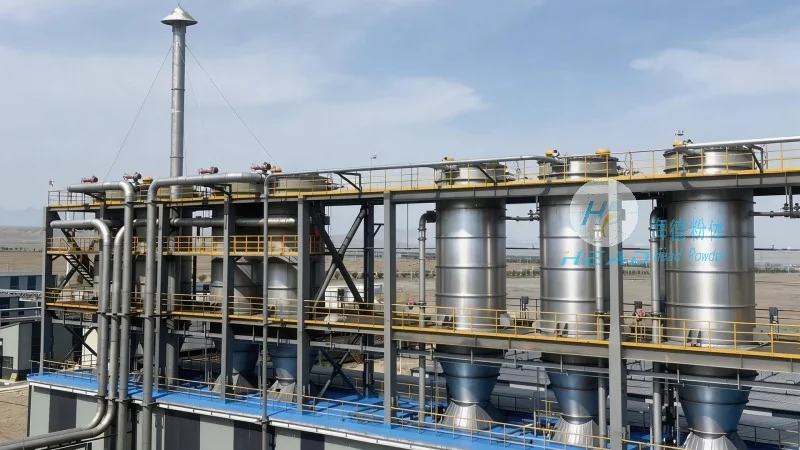
Key Features of Dry Sand Pneumatic Conveying Equipment
One of the primary features of dry sand pneumatic conveying equipment is its ability to handle fine and abrasive materials without causing excessive wear on the system components. The design often includes special materials for the conveying line and components that come into contact with the sand, such as stainless steel or high-grade plastic, to ensure longevity. Another important feature is the system's flexibility in terms of layout. It can be configured in various shapes and sizes to fit the specific needs of a facility, including horizontal, vertical, or a combination of both. This adaptability allows for complex material transport routes, making it suitable for diverse industrial applications. Additionally, modern dry sand pneumatic conveying systems are equipped with advanced control systems that allow for precise regulation of air pressure and flow rate, ensuring consistent material delivery and minimizing energy consumption. The systems also often include monitoring and safety features, such as pressure sensors and automatic shut-off mechanisms, to prevent accidents and ensure safe operation.
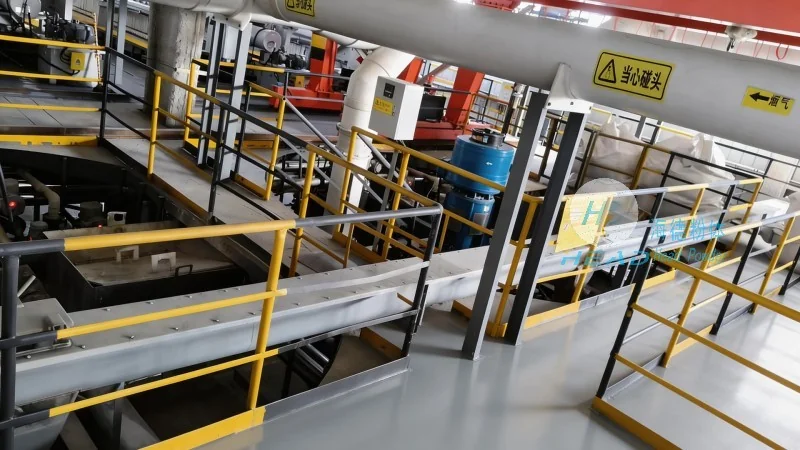
Company Information: Shandong HeadPowder Engineering Co., Ltd.
HeadPowder, a leading manufacturer in the field of pneumatic conveying technology, specializes in providing high-quality dry sand pneumatic conveying equipment. With years of experience and a commitment to innovation, the company has developed systems that meet the demanding requirements of various industries, including construction, mining, and manufacturing. The equipment is designed to be durable, efficient, and easy to maintain, ensuring long-term performance and reliability. HeadPowder's products are manufactured with precision engineering and quality materials, adhering to international standards to guarantee safety and performance. The company's headquarters is located in Shandong, China, where it has a dedicated team of engineers and technicians who are dedicated to research and development, ensuring that the latest advancements in pneumatic conveying technology are incorporated into their products. HeadPowder's goal is to deliver solutions that enhance productivity and reduce operational costs for its clients, making it a trusted partner in the material handling industry.