

Working Principle and Features of Air-Pneumatic Conveying Equipment for Plastic Pellet Materials
Efficient and reliable material handling is a critical aspect of modern manufacturing processes, particularly when dealing with plastic pellet materials. Air-pneumatic conveying equipment has emerged as a preferred solution for transporting these materials due to its ability to offer a clean, flexible, and efficient method of material transfer. This article delves into the working principle and key features of such equipment, providing insights into how it operates and the advantages it brings to industrial applications. The equipment is developed by Shandong HeadPowder Engineering Co., Ltd., a leading manufacturer based in Shandong, China, specializing in engineering solutions for material handling.
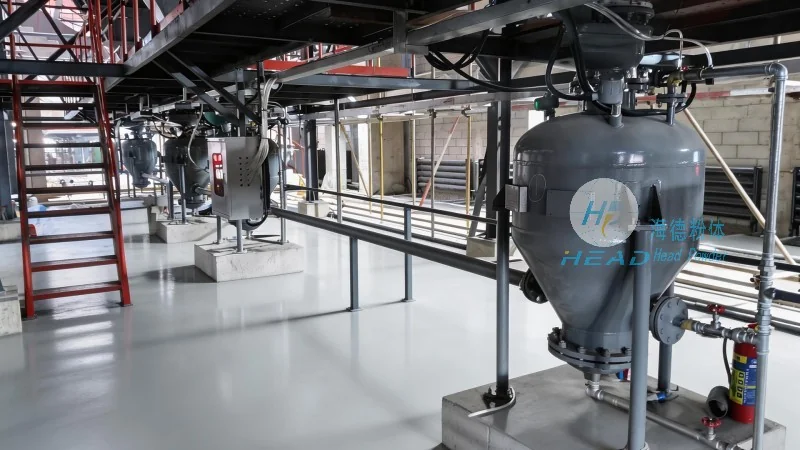
Working Principle of Air-Pneumatic Conveying Equipment for Plastic Pellets
The core working principle of air-pneumatic conveying equipment for plastic pellets revolves around the use of compressed air to move material particles through a closed pipeline system. There are primarily two types of air-pneumatic conveying systems: positive pressure and negative pressure. Positive pressure systems utilize a blower to generate high-pressure air that propels the plastic pellets forward through the pipeline. The material is introduced into the system via a feeder, often a rotary valve or a star feeder, which ensures a consistent flow of pellets into the conveying line. As the air and pellets move through the pipeline, they are separated at the receiving end by a cyclone separator or a filter, where the pellets are collected and the air is either recirculated or vented. Negative pressure systems, on the other hand, use a vacuum pump to create a low-pressure environment that draws the plastic pellets into the pipeline. This method is particularly useful for applications requiring a dust-free environment or when the material needs to be transported from multiple sources to a central collection point.
The equipment typically consists of several key components: a feeder to introduce the plastic pellets into the system, a blower or vacuum pump to generate the necessary air pressure or vacuum, a pipeline network to transport the material, and a separator to separate the material from the air at the end of the conveying line. The feeder is designed to handle the specific characteristics of plastic pellets, such as size, shape, and density, ensuring a smooth and continuous flow. The blower or vacuum pump provides the driving force, with the pressure or vacuum level being adjustable to accommodate different material properties and pipeline lengths. The pipeline is usually made of stainless steel or other corrosion-resistant materials to prevent contamination and ensure durability. The separator, often a cyclone or a bag filter, effectively separates the plastic pellets from the air, allowing for clean material collection and air recycling or disposal.
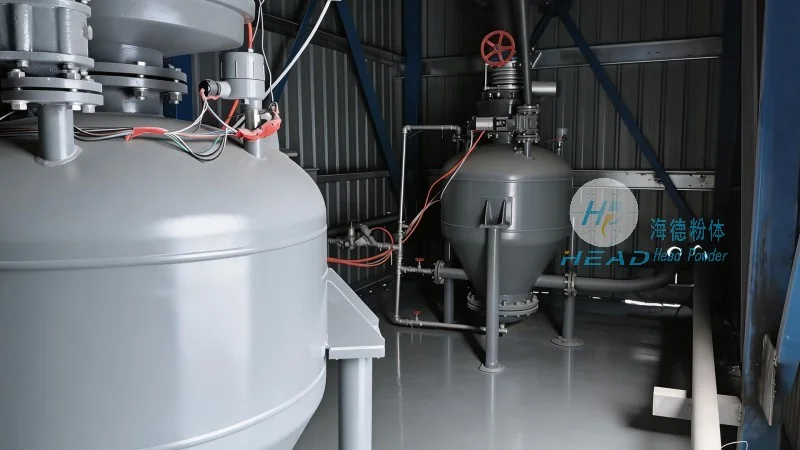
Key Features of Air-Pneumatic Conveying Equipment for Plastic Pellets
Air-pneumatic conveying equipment for plastic pellets offers several distinct advantages that make it an ideal choice for various industrial applications. One of the primary features is its ability to provide a clean and dust-free transfer of materials. Unlike mechanical conveying systems that may generate dust and cause contamination, air-pneumatic systems keep the plastic pellets enclosed within the pipeline, minimizing the risk of product degradation or environmental issues. This is particularly important for food-grade or high-purity plastic pellets, where contamination must be strictly avoided.
Another significant feature is the flexibility and scalability of the system. Air-pneumatic conveying equipment can be easily configured to handle different material types, including various plastic pellets such as polyethylene, polypropylene, and polystyrene. The system can be expanded or modified to accommodate changes in production volume or to integrate with existing manufacturing lines. The modular design allows for the addition of new components, such as extra pipelines or feeders, without disrupting the entire operation, making it a cost-effective solution for growing businesses.
Efficiency and energy savings are also notable features. By using compressed air as the primary driving force, the equipment can achieve high material throughput with relatively low energy consumption compared to other conveying methods. The system's ability to handle long distances and multiple transfer points without the need for intermediate storage or manual handling reduces operational costs and increases overall productivity. Additionally, the use of air recycling in some systems further enhances energy efficiency by reducing the need for continuous air supply.
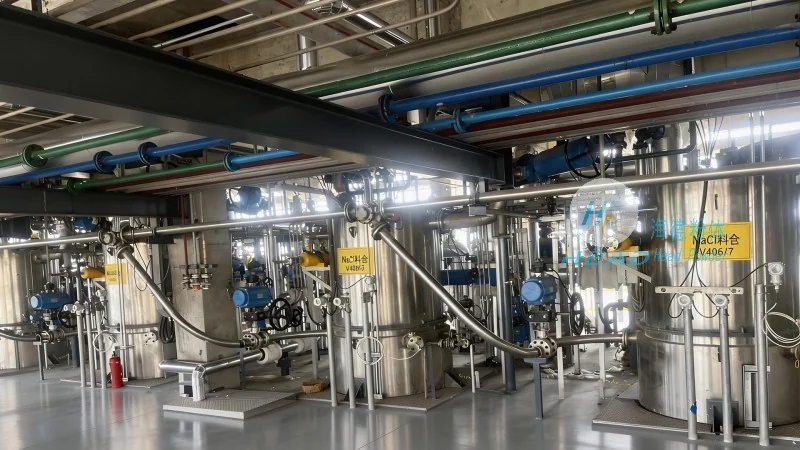
Operational safety is another key aspect. Air-pneumatic conveying equipment operates with minimal human intervention, reducing the risk of accidents associated with manual handling of plastic pellets. The enclosed pipeline system prevents exposure to dust and airborne particles, contributing to a safer working environment. The equipment is also designed with safety features such as pressure relief valves and emergency shut-off mechanisms to ensure safe operation in case of malfunctions.
Conclusion
Air-pneumatic conveying equipment for plastic pellet materials is a sophisticated and versatile solution that combines efficiency, cleanliness, and flexibility. By understanding its working principle and key features, manufacturers can make informed decisions about implementing this technology in their operations. The equipment not only enhances productivity and reduces costs but also ensures the quality and safety of the plastic pellets being transported. As the demand for efficient material handling continues to grow, air-pneumatic conveying systems remain a reliable choice for industries dealing with plastic pellets, offering a sustainable and effective approach to material transfer. Shandong HeadPowder Engineering Co., Ltd. continues to innovate in this field, providing high-quality air-pneumatic conveying solutions tailored to the needs of various industries.