

Principle and Working Scene Characteristics of Artificial Graphite Pneumatic Conveying Lines
Artificial graphite pneumatic conveying lines represent a sophisticated solution for the efficient handling and transportation of artificial graphite materials. As a key component in material processing industries, these systems leverage pneumatic technology to move bulk materials through a network of pipes, ensuring reliable and continuous operation. This article explores the fundamental principles behind artificial graphite pneumatic conveying lines and highlights the distinct characteristics of their working scenes, providing insights into their application and performance.
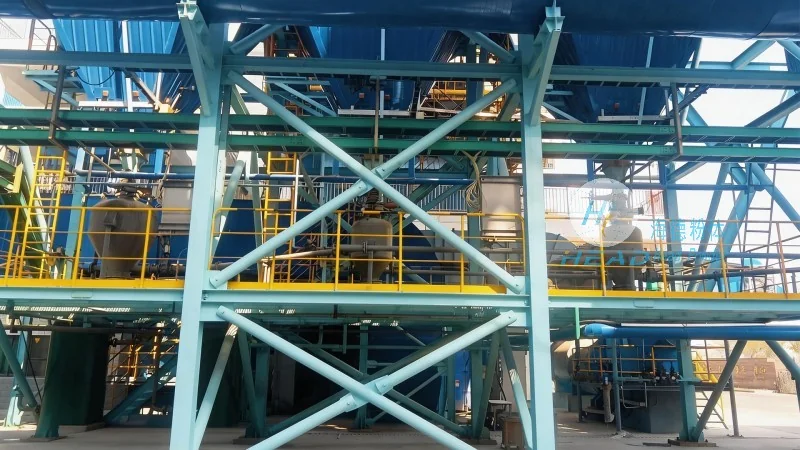
Understanding Pneumatic Conveying Technology
Pneumatic conveying systems utilize air or gas as the medium to transport solid materials. In the case of artificial graphite, which is often used in applications such as battery anodes, lubricants, and refractory materials, the design of the conveying line must account for the material's specific properties, including its density, particle size, and flow characteristics. The core principle involves creating a pressure differential between the inlet and outlet of the system, enabling the material to be drawn into the pipeline and propelled to the destination. This method offers advantages over traditional mechanical conveying, such as reduced equipment wear, lower maintenance requirements, and the ability to handle materials in a dust-free environment.
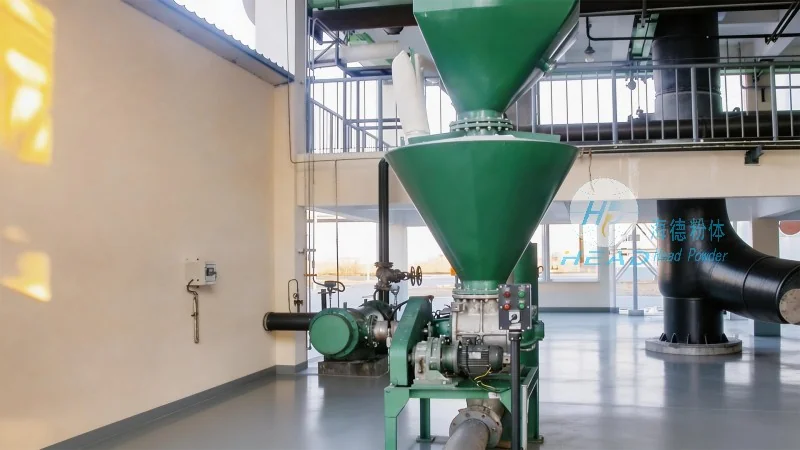
Principle of Artificial Graphite Pneumatic Conveying Lines
The operation of artificial graphite pneumatic conveying lines is based on the principles of fluid dynamics and material handling. The system typically consists of a hopper for material storage, a blower or compressor to generate the necessary air pressure, a pipeline network, and a discharge point for the material. The process begins when the artificial graphite is fed into the hopper, where it is then drawn into the pipeline by the moving air stream. The air velocity within the pipeline must be sufficient to suspend the particles and prevent settling, ensuring smooth transport. Key factors influencing the system's performance include the air flow rate, pressure, and pipeline diameter, all of which are optimized to maintain the material's stability and prevent blockages or clogging. The design also incorporates features such as cyclone separators or filters to separate the material from the air at the discharge point, ensuring clean material delivery and efficient air recycling.
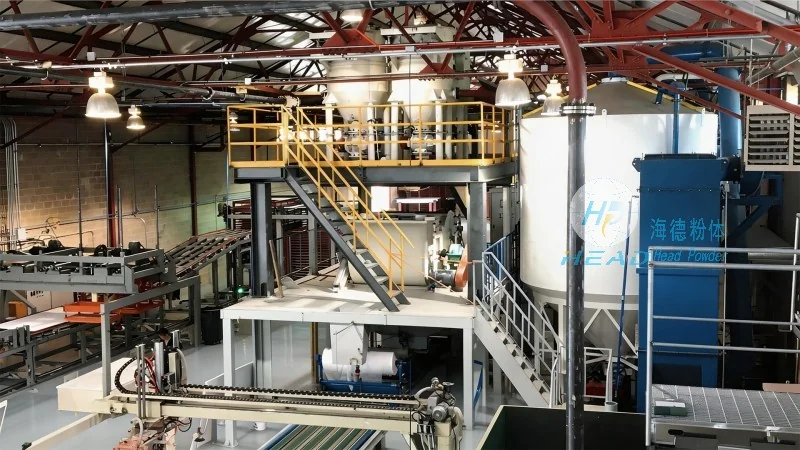
Working Scene Characteristics of Artificial Graphite Pneumatic Conveying Lines
The working scenes for artificial graphite pneumatic conveying lines vary based on the specific industrial application and the scale of operation. In manufacturing facilities, these systems are commonly used in production lines for battery manufacturing, where artificial graphite is transported from storage to processing equipment. The working environment may involve high volumes of material, requiring robust and high-capacity conveying lines. In such scenarios, the system's reliability and efficiency are critical to maintaining production continuity. Additionally, the working scene may include integration with other processing equipment, such as mixing or grinding units, where the conveying line serves as a link between different stages of the production process. The characteristics of the working scene also include considerations for material handling safety, as artificial graphite can be fine and potentially hazardous if not handled properly. The design of the conveying line often incorporates dust control measures, such as sealed hoppers and filtration systems, to minimize environmental impact and ensure worker safety. Furthermore, the working scene may involve variable material flow rates, necessitating flexible control systems that can adjust the air pressure and flow rate to match production demands. This adaptability ensures that the conveying line can operate efficiently under different conditions, from low to high throughput, without compromising performance or material quality.
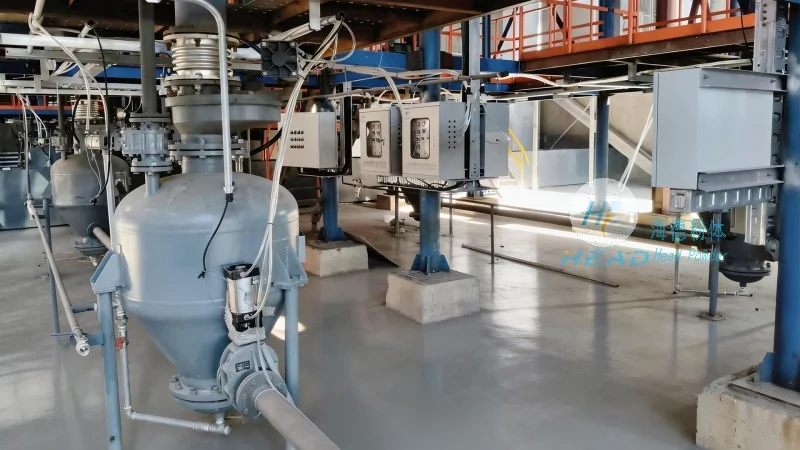
Company Information: Shandong HeadPowder Engineering Co., Ltd.
HeadPowder, a leading manufacturer of artificial graphite processing equipment, specializes in the design and production of pneumatic conveying systems tailored to the needs of artificial graphite applications. With a strong focus on engineering excellence and customer satisfaction, the company provides comprehensive solutions that meet the unique requirements of various industries. HeadPowder's facilities are located in Shandong, China, where the company leverages advanced technology and skilled expertise to develop high-quality conveying lines. The company's commitment to innovation and quality has established it as a trusted partner in the material handling sector, offering reliable and efficient solutions for artificial graphite transportation. By combining years of experience with cutting-edge design, HeadPowder ensures that its pneumatic conveying lines deliver optimal performance and durability, supporting the operational needs of clients in the artificial graphite industry.