

Principle and Working Scenario Characteristics of Heptahydrate Magnesium Sulfate Pneumatic Conveying
Heptahydrate magnesium sulfate, commonly known as Epsom salt, is a widely used chemical compound in various industrial applications. The efficient and reliable transportation of this material from storage to processing units is crucial for maintaining production efficiency and product quality. Pneumatic conveying systems have emerged as a preferred solution for handling such bulk materials, offering advantages like dust-free operation, low maintenance, and the ability to transport materials over long distances. This article delves into the principle of pneumatic conveying lines specifically designed for heptahydrate magnesium sulfate and explores the key working scenario characteristics that make these systems effective in industrial settings.
1. The Principle of Heptahydrate Magnesium Sulfate Pneumatic Conveying
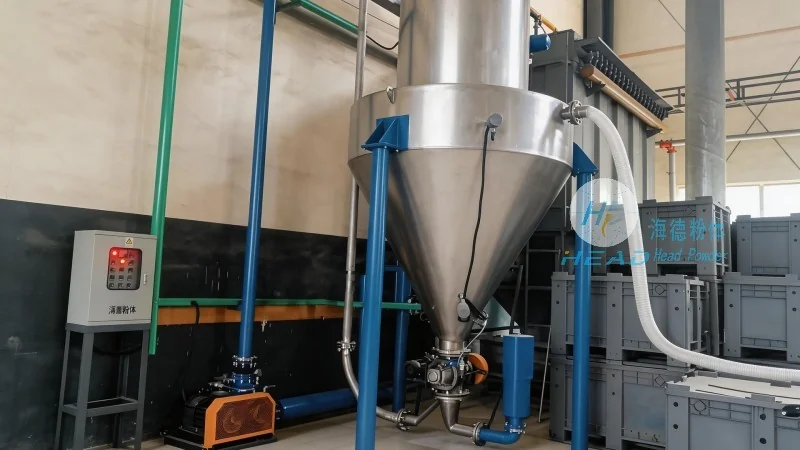
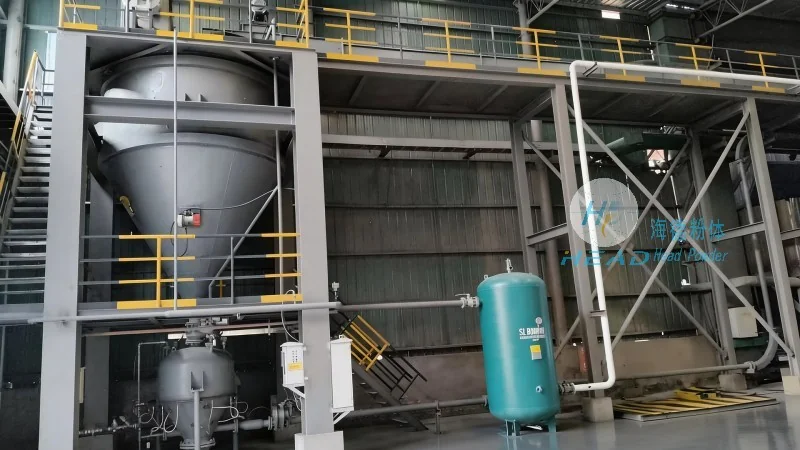
The core principle of pneumatic conveying for heptahydrate magnesium sulfate involves the use of air or gas to transport the material through a pipeline. There are two primary types of pneumatic conveying systems: positive pressure and negative pressure. Positive pressure systems, also known as pressure conveying, use a blower or compressor to generate air pressure that pushes the material forward. This method is suitable for short to medium distances and can handle abrasive or sticky materials. Negative pressure systems, or vacuum conveying, use a vacuum pump to create a suction effect that draws the material into the pipeline. This approach is ideal for long-distance transport and is often used when the material needs to be transported from multiple sources to a central processing unit.
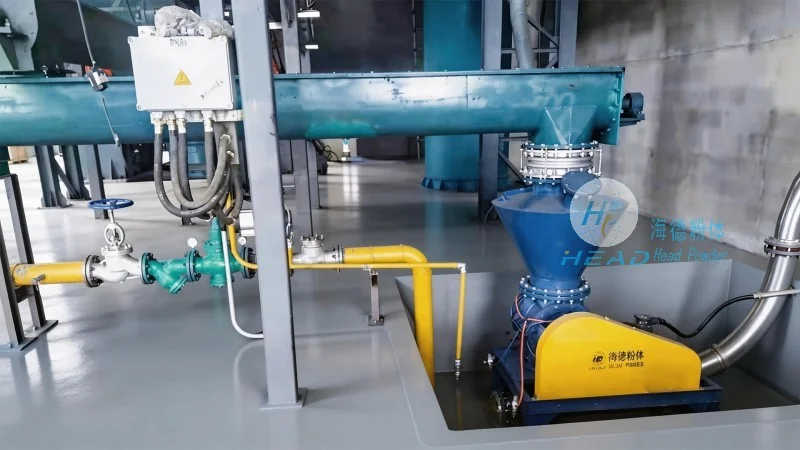
In the case of heptahydrate magnesium sulfate, the choice of system depends on factors such as the material's properties, the distance to be covered, and the required flow rate. The system typically consists of several key components: a hopper for material storage, a feeder to control the flow rate, a conveyor line (usually made of stainless steel or other corrosion-resistant materials to prevent material degradation), a separator to remove air from the material stream, and a receiver for the material at the destination. The air flow is carefully controlled to ensure that the material is transported without clogging or degradation. For heptahydrate magnesium sulfate, which is hygroscopic and can be sensitive to moisture, the system must be designed to minimize exposure to air and moisture, preventing clumping or caking.
2. Working Scenario Characteristics of Heptahydrate Magnesium Sulfate Pneumatic Conveying Lines
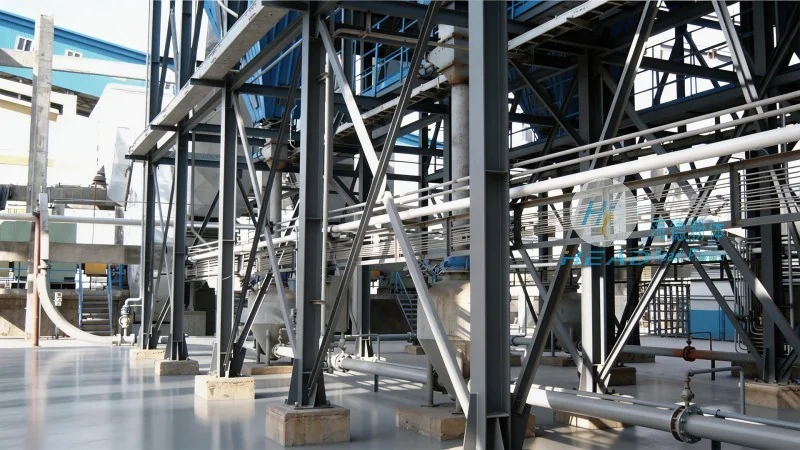
The working scenario characteristics of heptahydrate magnesium sulfate pneumatic conveying lines are tailored to meet the specific demands of industrial applications. These characteristics include: