

Principle and Working Scene Characteristics of Alumina Crystal Pneumatic Conveying Lines
Alumina crystal pneumatic conveying lines are critical components in the industrial processing of aluminum oxide, playing a vital role in material handling and transportation within manufacturing facilities. These systems are designed to efficiently move alumina crystals from one processing stage to another, ensuring smooth operation and maintaining product quality. The technology behind these lines combines principles of fluid dynamics and mechanical engineering to achieve reliable, low-maintenance material transport.
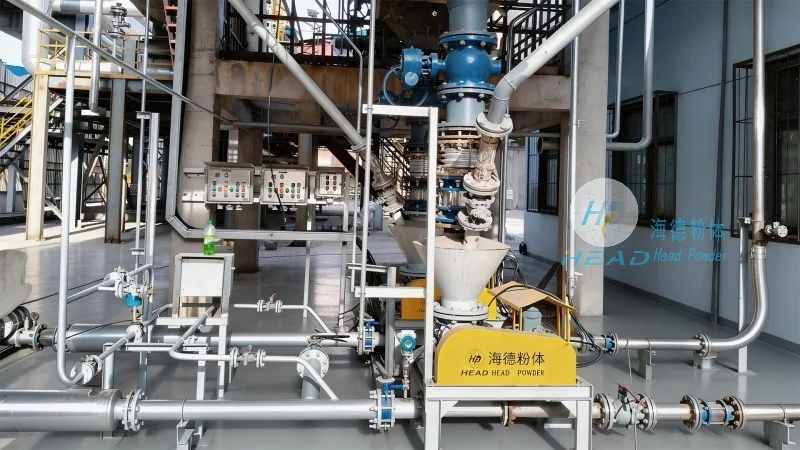
Working Principle of Pneumatic Conveying Systems for Alumina Crystals
The core of an alumina crystal pneumatic conveying line is the pneumatic conveying mechanism, which utilizes air or gas as the medium to transport solid particles. There are two primary types of pneumatic conveying systems: positive pressure and negative pressure. Positive pressure systems generate air pressure above atmospheric pressure at the material inlet, pushing the material through the pipeline. Negative pressure systems, on the other hand, create a vacuum at the material outlet, drawing the material into the pipeline. For alumina crystals, which are often fine and abrasive, positive pressure systems are commonly preferred due to their ability to handle high material loads and minimize particle degradation.
In a typical alumina crystal pneumatic conveying line, the process begins with the material being fed into a hopper or feeder. The feeder then meters the material into the conveying line at a controlled rate. A blower or compressor supplies the necessary air pressure, which is then mixed with the material in a venturi or other mixing device. The air-material mixture travels through the pipeline to the destination point, such as a storage silo, reactor, or processing unit. At the destination, a separator or cyclone separates the material from the air, allowing the air to be recirculated or discharged while the alumina crystals are collected for further use.
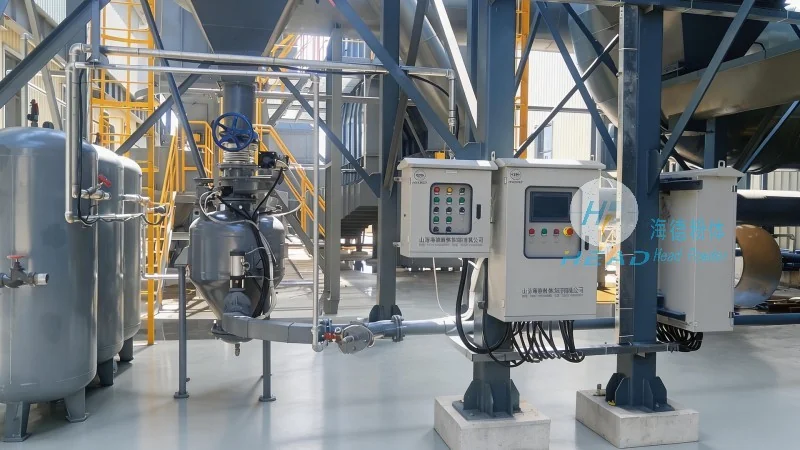
Key Working Scene Characteristics of Alumina Crystal Pneumatic Conveying Lines
The working scene characteristics of alumina crystal pneumatic conveying lines are tailored to the specific requirements of the industrial environment in which they operate. These characteristics include factors such as material handling capacity, system pressure, pipeline layout, and integration with other processing equipment. In alumina production facilities, these systems are often integrated into larger production lines, connecting raw material storage, grinding, classification, and reaction stages. The flexibility of pneumatic conveying allows for easy reconfiguration of the system to accommodate changes in production volume or process flow.
One of the key advantages of alumina crystal pneumatic conveying lines is their ability to handle abrasive and fine materials without causing excessive wear to the system components. The design of the conveying line, including the selection of materials for the hopper, feeder, and pipeline, is critical to ensuring long-term reliability. For example, stainless steel or special alloys are often used for components that come into direct contact with the alumina crystals to prevent corrosion and material buildup. The system also incorporates features such as air filtration and particle separation to maintain air quality and prevent contamination of the surrounding environment.
Application Scenarios in Industrial Production
Alumina crystal pneumatic conveying lines are widely used in various industrial applications within the aluminum industry. In alumina refineries, these systems are used to transport raw bauxite or processed alumina from storage to processing units. In the production of high-purity alumina, the conveying lines ensure that the material is moved efficiently between grinding, classification, and calcination stages. Additionally, in the manufacturing of aluminum products, such as aluminum oxide coatings or ceramics, pneumatic conveying lines are used to transport the final product from production lines to packaging or storage areas.
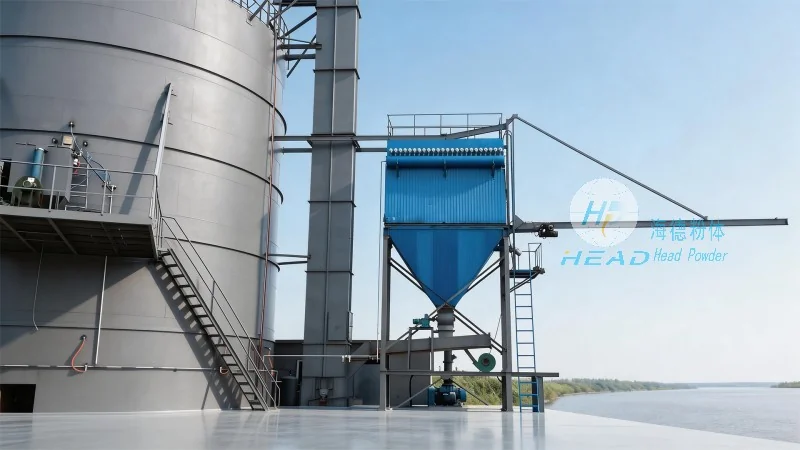
The working scene characteristics of these systems vary depending on the specific application. For example, in high-volume production facilities, the conveying lines may be designed to handle large quantities of material at high speeds, requiring robust blower systems and larger diameter pipelines. In contrast, in smaller-scale or laboratory applications, the systems may be more compact and use lower pressure to minimize energy consumption. The flexibility of the system design allows it to be adapted to different production scales and operational requirements.
Customization and Integration by Shandong HeadPowder Engineering Co., Ltd.
Shandong HeadPowder Engineering Co., Ltd., a leading manufacturer of material handling equipment, specializes in designing and manufacturing alumina crystal pneumatic conveying lines tailored to the needs of industrial clients. The company, commonly referred to as HeadPowder, leverages advanced engineering and manufacturing capabilities to deliver high-quality, reliable systems that meet the specific requirements of each project. With a focus on innovation and customer satisfaction, HeadPowder provides customized solutions that integrate seamlessly with existing production lines.
The company’s approach to system design involves a thorough understanding of the client's operational needs, including material characteristics, production capacity, and environmental considerations. Engineers at HeadPowder conduct detailed analyses to determine the optimal system configuration, including the type of pneumatic conveying (positive or negative pressure), material feed rate, and pipeline layout. This ensures that the final system is not only efficient but also cost-effective and easy to maintain.
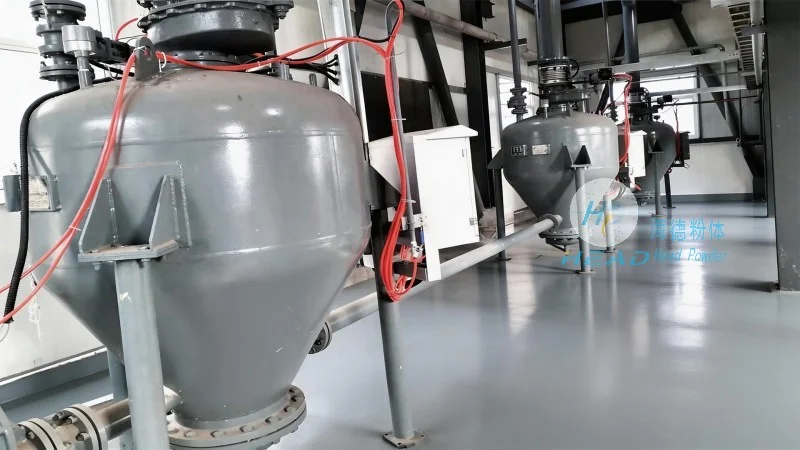
HeadPowder’s alumina crystal pneumatic conveying lines are built with high-quality materials and components to ensure long service life and minimal downtime. The company adheres to strict quality control standards, from raw material selection to final assembly and testing. Each system undergoes rigorous testing to verify its performance under various operating conditions, ensuring that it meets or exceeds industry standards. This commitment to quality and reliability has made HeadPowder a trusted partner for many aluminum industry clients.
Conclusion
Alumina crystal pneumatic conveying lines are essential for efficient material handling in the aluminum industry, offering a reliable and flexible solution for transporting fine and abrasive materials. The working principle and scene characteristics of these systems are carefully designed to meet the demands of industrial production, ensuring smooth operation and product quality. With the expertise and customization capabilities of companies like Shandong HeadPowder Engineering Co., Ltd., industrial facilities can rely on advanced pneumatic conveying systems to enhance their production processes and achieve operational efficiency.