

Principle and Working Scene Characteristics of Positive Pressure Dense Phase Pneumatic Conveying Sys
HeadPowder, a leading provider in the field of material handling solutions, specializes in advanced pneumatic conveying technologies. Our company, Shandong HeadPowder Engineering Co., Ltd., is headquartered in Shandong, China, and has established a strong reputation for delivering efficient and reliable equipment for various industrial applications. This article explores the fundamental principles of positive pressure dense phase pneumatic conveying systems, along with their key working scene characteristics that make them ideal for diverse operational environments.
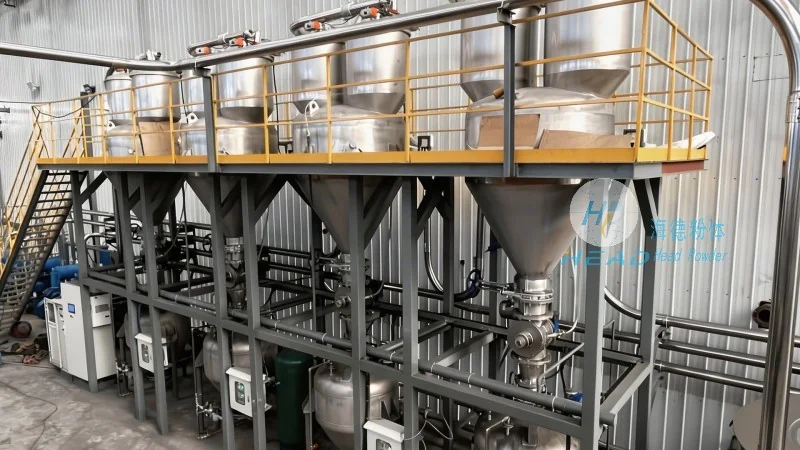
Understanding Positive Pressure Dense Phase Pneumatic Conveying
Positive pressure dense phase pneumatic conveying systems operate by injecting air or other gases into a pipeline at a pressure higher than the ambient air pressure. This method ensures that the material being conveyed is transported in a dense, slurry-like state, which significantly reduces the risk of product degradation, segregation, and degradation compared to traditional pneumatic conveying methods. The system uses a combination of pressure, velocity, and particle size to maintain the material in a stable, homogeneous flow. The key components include a positive displacement blower, a conveying line, a control valve, and a discharge hopper. The blower generates the necessary pressure to move the material through the pipeline, while the control valve regulates the flow rate and pressure to optimize performance. The discharge hopper collects the conveyed material, allowing for smooth unloading and further processing.
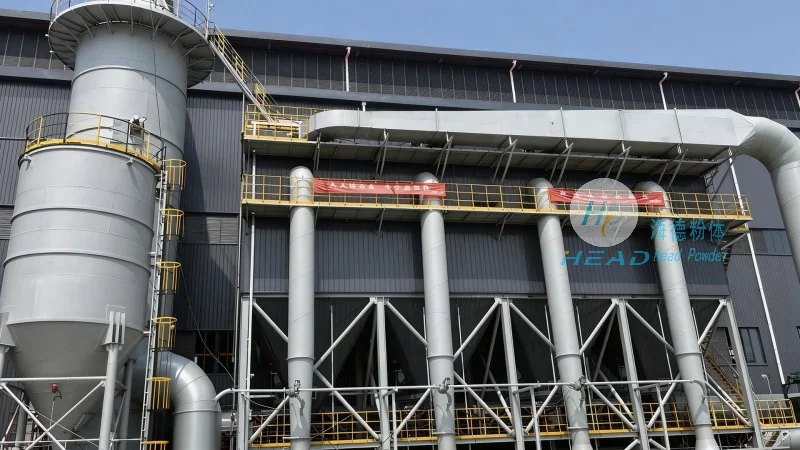
Key Working Scene Characteristics
The working scene characteristics of positive pressure dense phase pneumatic conveying systems are tailored to meet the demands of various industrial settings. These systems are particularly effective in applications where material handling requires minimal product loss, low maintenance, and high efficiency. The dense phase operation ensures that the material is transported in a compact form, reducing the need for additional equipment such as classifiers or separators. This characteristic is especially beneficial in industries dealing with sensitive materials, such as pharmaceuticals, food products, and chemicals, where contamination and degradation must be strictly controlled. Additionally, the positive pressure design minimizes the risk of dust emissions and air leakage, contributing to a safer and more environmentally friendly operation.
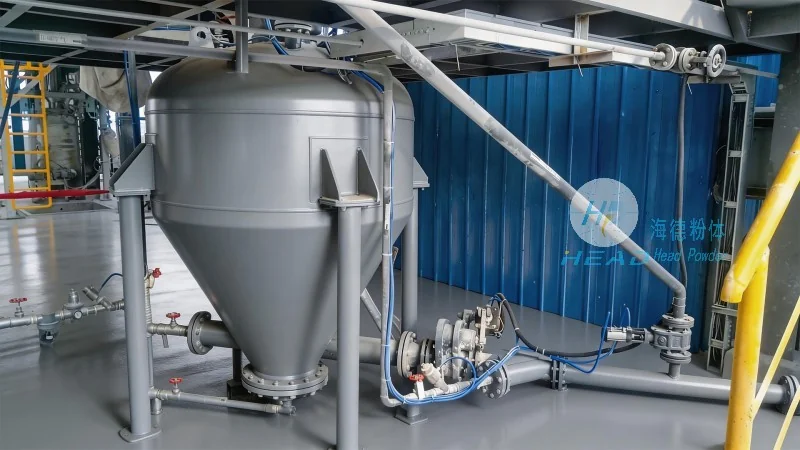
Typical Application Scenarios
Positive pressure dense phase pneumatic conveying systems are widely used in a variety of industrial sectors. In the chemical industry, they are employed to transport powders and granules between processing units, such as from a reactor to a storage silo or from a dryer to a packaging line. The system's ability to handle abrasive materials without causing wear and tear on the equipment makes it suitable for applications involving materials like cement, limestone, and coal. In the food and beverage industry, these systems are used to convey ingredients like flour, sugar, and spices, ensuring that the product remains fresh and free from contamination. The pharmaceutical industry also benefits from this technology, as it allows for the safe and hygienic transport of active pharmaceutical ingredients (APIs) and other sensitive materials. Furthermore, in the mining and minerals sector, positive pressure dense phase conveying is used to move bulk materials like ore and sand, improving operational efficiency and reducing labor costs.
Advantages in Diverse Operational Environments
One of the primary advantages of positive pressure dense phase pneumatic conveying systems is their adaptability to different operational environments. The system can be easily integrated into existing production lines, requiring minimal modifications to the facility. This makes it an ideal solution for both new and existing industrial plants. The compact design of the equipment allows for installation in spaces with limited room, which is particularly useful in urban or densely populated areas where space is at a premium. The low maintenance requirements of the system reduce downtime and operational costs, making it a cost-effective choice for long-term use. Additionally, the system's ability to handle a wide range of particle sizes and material types makes it versatile and suitable for various applications. The positive pressure operation also ensures that the material is conveyed in a consistent manner, regardless of the distance or elevation changes, providing reliable performance in both horizontal and vertical applications.
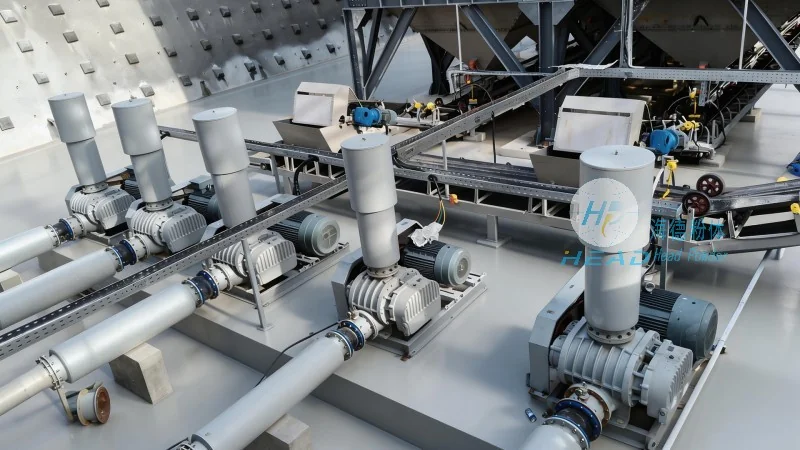
Conclusion
Positive pressure dense phase pneumatic conveying systems, as offered by Shandong HeadPowder Engineering Co., Ltd., represent a sophisticated and efficient solution for material handling in various industrial applications. By understanding the fundamental principles and working scene characteristics of these systems, industries can make informed decisions about implementing this technology to enhance their operational efficiency, product quality, and safety standards. The adaptability and reliability of positive pressure dense phase conveying make it a preferred choice for companies seeking to optimize their material transport processes while minimizing costs and environmental impact.