

Principle and Working Scene Characteristics of High-Temperature Ash Pneumatic Conveying System Equip
HeadPowder, a leading engineering company based in Shandong, China, specializes in the design and manufacturing of advanced pneumatic conveying systems tailored for high-temperature ash handling. This article explores the fundamental principles behind high-temperature ash pneumatic conveying systems and highlights the key characteristics of their operational environments.
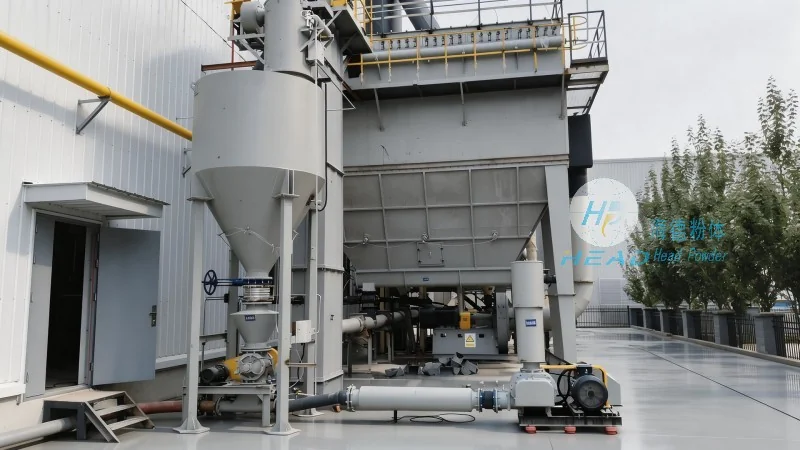
Company Overview and System Application
HeadPowder Engineering Co., Ltd., headquartered in Shandong, China, is dedicated to providing innovative solutions for industrial material handling, particularly in the field of high-temperature ash management. The company’s expertise lies in developing robust pneumatic conveying systems that can efficiently transport hot ash from sources such as power plants, industrial furnaces, and waste incinerators. These systems are engineered to handle the unique challenges posed by high-temperature ash, including its abrasive nature, potential for caking, and the need for reliable, continuous operation under demanding thermal conditions.
The Core Principle of High-Temperature Ash Pneumatic Conveying
At the heart of high-temperature ash pneumatic conveying systems is the fundamental principle of pneumatic transport, which involves the movement of solid particles through a pipeline using a pressurized gas stream. In the case of high-temperature ash, the system must be specifically designed to accommodate elevated temperatures, often exceeding 200°C, and the associated thermal stresses. The process typically begins with the ash being fed into a hopper or feeder, where it is then introduced into a pipeline in conjunction with a carrier gas, usually air or a mixture of air and inert gases. The gas flow creates a drag force that lifts and propels the ash particles through the pipeline to the destination point, such as a storage silo or treatment facility.
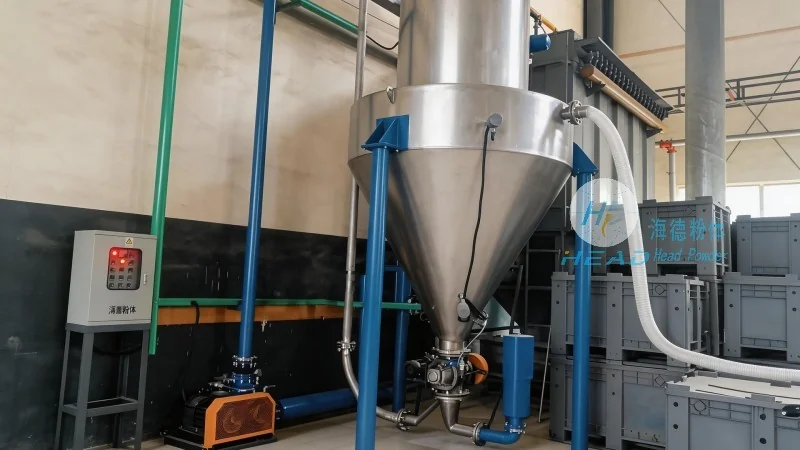
Key Components and Their Function in High-Temperature Environments
The effectiveness of a high-temperature ash pneumatic conveying system relies on several critical components, each engineered to withstand the harsh conditions of the application. The primary components include: (1) a high-temperature ash feeder or hopper, designed to handle the hot material and prevent caking or blockage; (2) a high-temperature air compressor or blower, capable of delivering sufficient pressure and volume to transport the ash at the required velocity; (3) a pipeline system constructed from materials with high thermal resistance, such as stainless steel or specialized alloys, to avoid degradation from prolonged exposure to high temperatures; (4) a separation or filtration system to remove the ash from the carrier gas at the end of the pipeline; and (5) a control system that monitors and regulates the flow rate, pressure, and temperature to ensure safe and efficient operation.
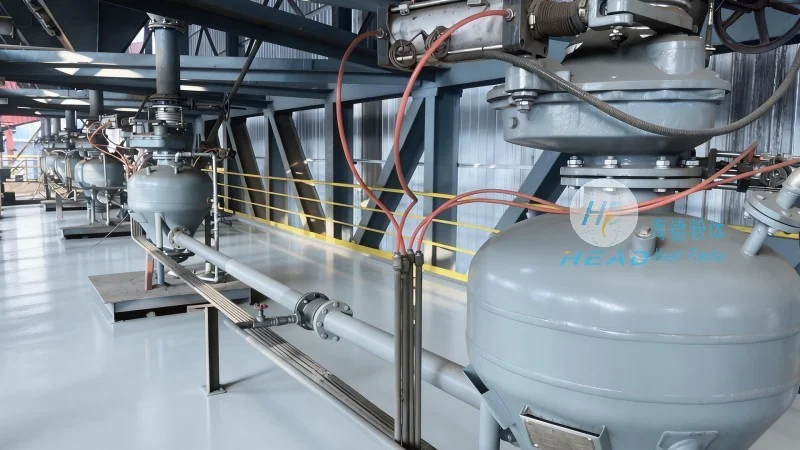
Working Scene Characteristics: Operational Environments and Performance
The operational characteristics of high-temperature ash pneumatic conveying systems are heavily influenced by the specific working environments in which they are deployed. These systems are commonly used in power generation facilities, where they play a crucial role in transporting fly ash from boiler furnaces to storage or disposal sites. The working scene is characterized by continuous, high-volume ash production, requiring the system to maintain consistent performance over extended periods. Additionally, the system must be capable of handling varying ash compositions, including different particle sizes and moisture content, which can affect the conveying efficiency and system pressure.
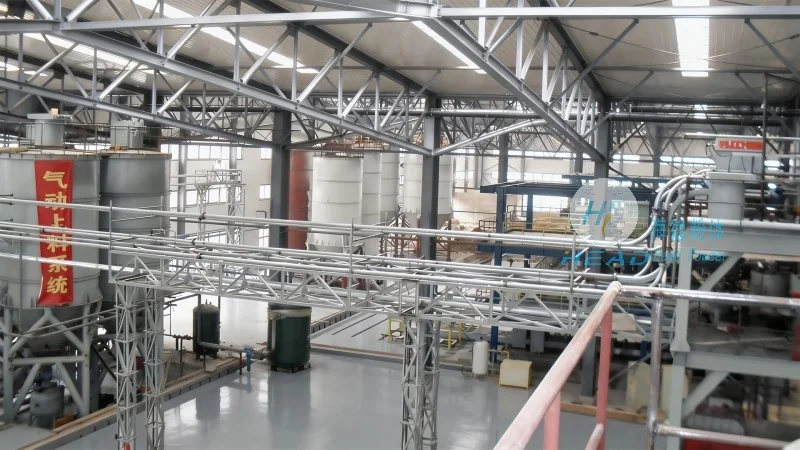
Advantages and Adaptability in High-Temperature Applications
High-temperature ash pneumatic conveying systems offer several advantages that make them suitable for demanding industrial applications. One of the key benefits is their ability to handle abrasive and potentially hazardous materials without the need for mechanical components that could wear out or fail under high-temperature conditions. The system’s design minimizes the risk of material buildup and clogging, which are common issues with traditional mechanical conveyors in high-temperature environments. Furthermore, the system can be integrated with existing infrastructure, reducing the need for extensive modifications to plant layouts. The adaptability of these systems also allows for customization based on the specific requirements of the application, such as varying ash temperatures, flow rates, and pipeline lengths.
Conclusion: The Role of High-Temperature Ash Pneumatic Conveying Systems in Industrial Material Handling
In conclusion, high-temperature ash pneumatic conveying systems represent a sophisticated solution for the efficient and reliable transport of hot ash in industrial settings. By leveraging the principles of pneumatic transport and incorporating specialized components designed for high-temperature operation, these systems provide a robust and adaptable method for handling challenging materials. HeadPowder Engineering Co., Ltd. continues to innovate in this field, ensuring that their systems meet the evolving needs of industrial clients while maintaining the highest standards of performance and safety.