

Principle and Working Scene Characteristics of Expanded Clay Aggregate Pneumatic Conveying System Eq
Expanded clay aggregate, commonly known as lightweight aggregate, is widely used in construction, landscaping, and industrial applications due to its lightweight properties and excellent thermal insulation. The efficient transportation of this material from production sites to processing or construction locations is crucial for maintaining production efficiency and reducing operational costs. Pneumatic conveying systems have emerged as a highly effective solution for handling expanded clay aggregate, offering a dust-free, energy-efficient, and flexible method of material transport.
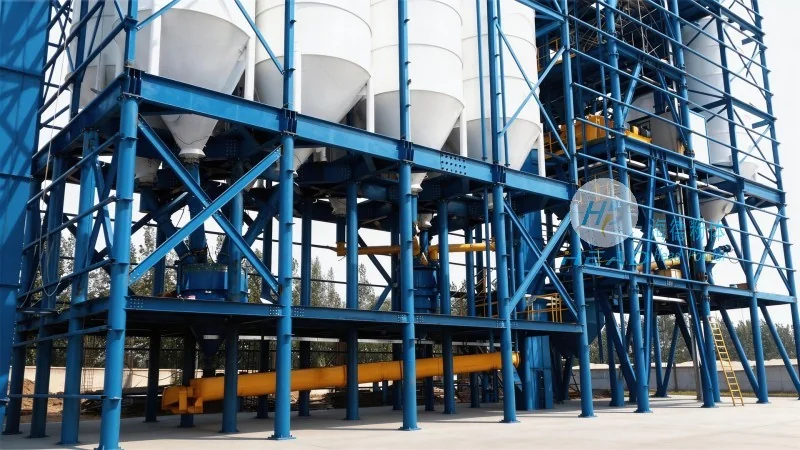
Introduction to Pneumatic Conveying Systems for Expanded Clay Aggregate
Pneumatic conveying systems utilize air or gas to transport bulk materials like expanded clay aggregate through a network of pipes. This technology eliminates the need for mechanical components such as belts or buckets, reducing maintenance requirements and minimizing material degradation. The system typically consists of a hopper for material storage, a blower or compressor to generate airflow, and a pipeline network that directs the material to its destination. For expanded clay aggregate, which is often lightweight and can be prone to dust, the design of the pneumatic conveying system must prioritize efficient particle suspension and minimal pressure drop to ensure reliable operation.
Core Principles of Pneumatic Conveying Technology
The fundamental principle of pneumatic conveying is the creation of a gas-solid flow where the material particles are suspended and carried by the moving air stream. In the case of expanded clay aggregate, the system must be designed to handle particles with varying sizes and densities. The velocity of the air within the pipeline is a critical parameter; it must be sufficient to keep the particles in suspension but not so high as to cause excessive energy consumption or equipment wear. The system may operate in either positive pressure (pressure pneumatic conveying) or negative pressure (vacuum pneumatic conveying) modes, depending on the application requirements. Positive pressure systems are often preferred for long-distance or multi-point delivery, as they can maintain consistent pressure and prevent external air from entering the system.
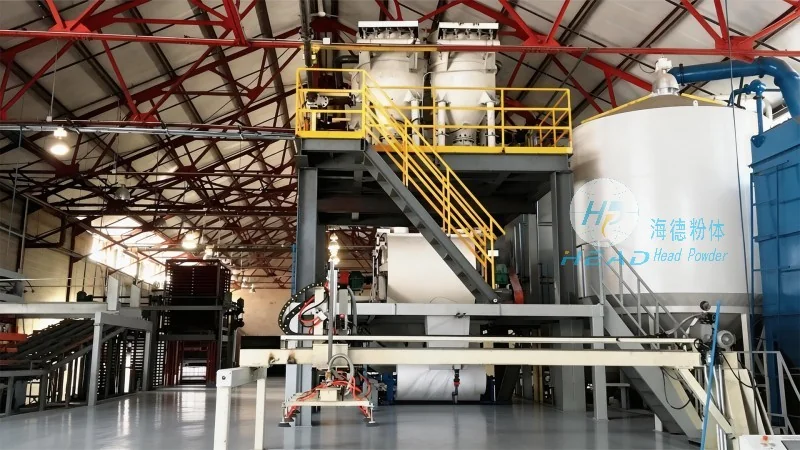
Key Working Scene Characteristics and Applications
The working scene characteristics of pneumatic conveying systems for expanded clay aggregate are closely tied to the specific industrial or construction environment. For example, in a manufacturing plant producing expanded clay aggregate, the system may be used to transport raw materials from storage silos to processing equipment, or to move finished products from production lines to packaging areas. In construction sites, the system can efficiently deliver lightweight aggregate to building sites, especially in areas with limited access or where traditional truck transport is impractical. The flexibility of pneumatic conveying allows for integration into existing production lines or on-site construction setups, adapting to the dynamic needs of different working environments. Additionally, the dust-free operation of the system is particularly advantageous in indoor or enclosed construction areas, where air quality and worker safety are paramount.
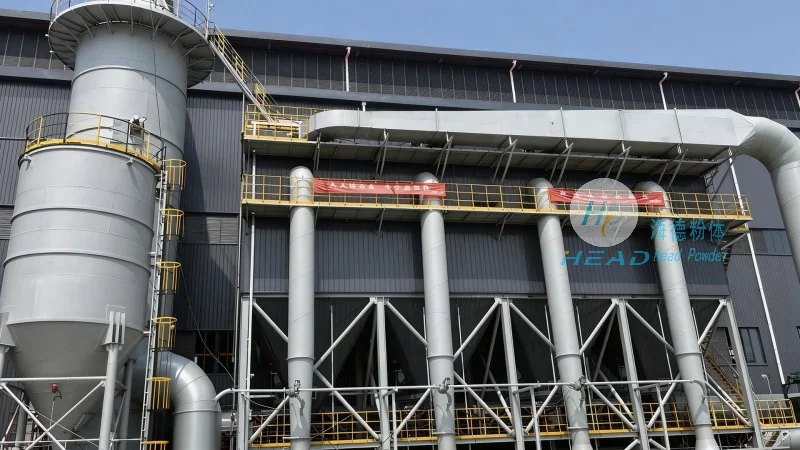
Technical Advantages and Operational Efficiency
Compared to traditional mechanical conveying methods, pneumatic conveying systems offer several technical advantages that enhance operational efficiency. The absence of moving parts in the pipeline reduces wear and tear, leading to lower maintenance costs and longer equipment lifespan. The system's ability to handle a wide range of particle sizes and densities makes it versatile for various applications involving expanded clay aggregate. Energy efficiency is another key benefit, as the system can optimize air flow to minimize power consumption while maintaining effective material transport. The dust-free operation not only improves air quality but also reduces the risk of material contamination, which is critical for applications where the quality of expanded clay aggregate is essential. Furthermore, the system's compact design allows for space-saving installations, making it suitable for both large-scale industrial facilities and smaller construction sites.
Company Profile and Expertise in Pneumatic Conveying Solutions
Shandong HeadPowder Engineering Co., Ltd., a leading provider of pneumatic conveying solutions, specializes in designing and manufacturing systems tailored to the unique needs of expanded clay aggregate applications. With years of experience in the industry, the company has developed advanced technologies that ensure reliable and efficient material transport. HeadPowder's expertise includes the design of customized hopper and pipeline configurations, selection of appropriate blower systems, and integration of control mechanisms to optimize system performance. The company's facilities are located in Shandong, China, where it leverages local manufacturing capabilities to deliver high-quality products and responsive customer service. By combining technical innovation with practical application knowledge, HeadPowder has established itself as a trusted partner for businesses seeking to enhance their material handling processes with pneumatic conveying systems.