

How to Choose the Right Pneumatic Conveying System for Your Polyethylene Resin Powder Handling Process?
When it comes to managing the transportation of polyethylene resin powder, selecting the appropriate pneumatic conveying system is crucial for ensuring efficiency, safety, and cost-effectiveness in your industrial operations. The right system can significantly impact production continuity, material quality, and overall operational performance. This guide will help you understand the key considerations and factors to evaluate when choosing a pneumatic conveying system tailored to your polyethylene resin powder handling needs.
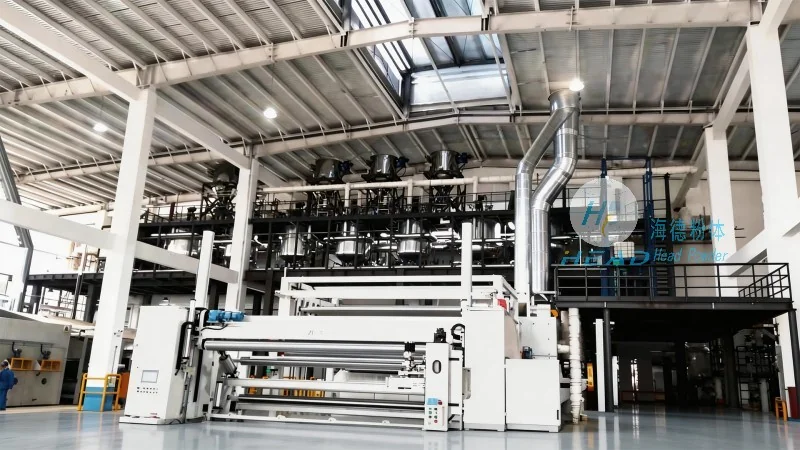
Understanding the Importance of Pneumatic Conveying for Polyethylene Resin Powder
Polyethylene resin powder is widely used in various industries, including plastics manufacturing, packaging, and construction. Its fine particle size and lightweight nature make it challenging to handle through traditional methods like belt conveyors or bucket elevators. Pneumatic conveying systems offer a reliable solution by using air pressure to transport the powder, minimizing material degradation and contamination risks. These systems are particularly effective for handling materials that are sensitive to moisture, temperature changes, or mechanical stress.
Key Factors to Consider When Selecting a Pneumatic Conveying System
Choosing the right pneumatic conveying system for polyethylene resin powder involves evaluating several critical factors. The first consideration is the material characteristics of the resin powder, such as its particle size distribution, density, and flowability. These properties directly influence the system's design, including the type of air flow (positive or negative pressure) and the required air velocity. For polyethylene resin powder, which typically has a fine particle size and can be prone to bridging or caking, a system that ensures consistent flow and prevents blockages is essential.
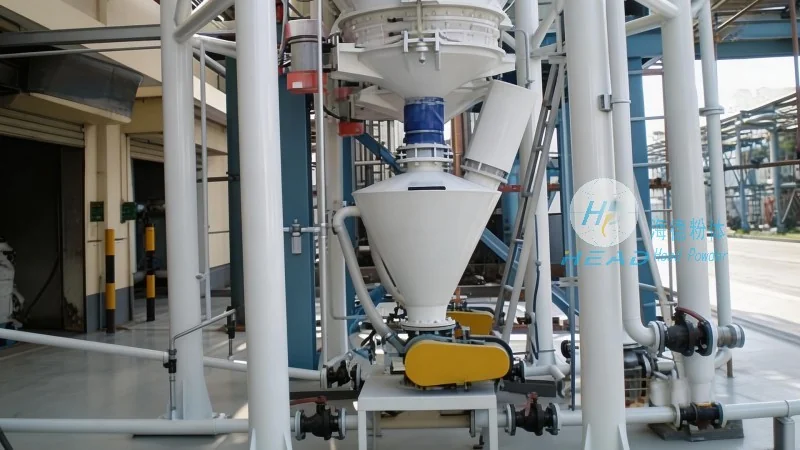
Another critical factor is the distance and layout of the conveying route. The length and elevation changes between the source and destination points will determine the system's capacity and energy requirements. For longer distances or higher elevations, systems with higher air pressure or more robust components may be necessary to maintain efficient material transport. Additionally, the required flow rate and throughput capacity must align with your production schedule and operational demands. A mismatch between the system's capacity and actual needs can lead to bottlenecks or excessive energy consumption.
HeadPowder's Customized Pneumatic Conveying Solutions for Polyethylene Resin Powder
Shandong HeadPowder Engineering Co., Ltd., a leading provider of specialized material handling solutions, offers tailored pneumatic conveying systems designed specifically for polyethylene resin powder applications. With years of experience in the industry, HeadPowder understands the unique challenges associated with handling fine powders and has developed innovative solutions to address them. Their systems are engineered to ensure optimal performance, reliability, and safety, meeting the stringent requirements of modern industrial processes.
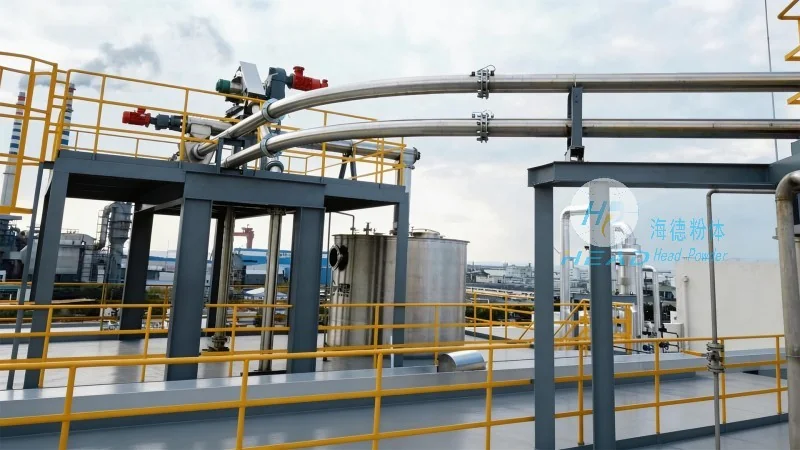
HeadPowder's pneumatic conveying systems for polyethylene resin powder are designed with flexibility and adaptability in mind. They can be customized to accommodate various resin types, particle sizes, and production volumes, ensuring that the system meets the specific needs of each client. The company's expertise in material science and fluid dynamics allows them to optimize the system's design, reducing energy consumption and minimizing operational costs. For example, their systems may incorporate advanced air filtration and separation technologies to prevent dust accumulation and maintain material purity.
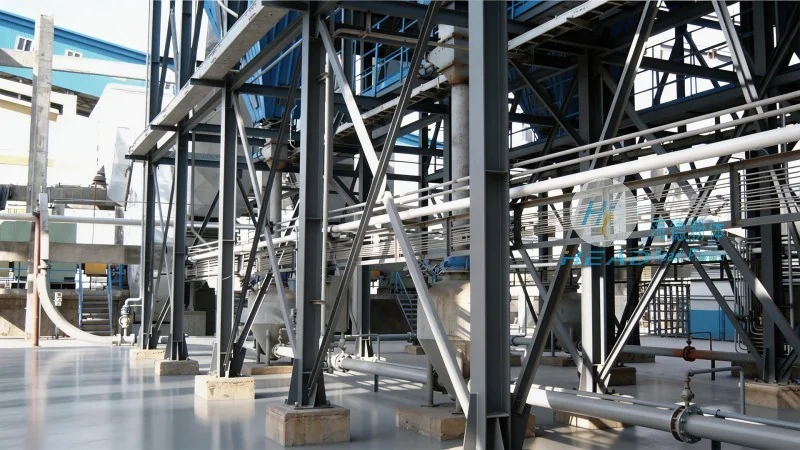
Furthermore, HeadPowder's commitment to quality and customer satisfaction is reflected in their comprehensive support services. From initial system design and engineering to installation, commissioning, and ongoing maintenance, the company provides end-to-end solutions that ensure the long-term performance and reliability of the conveying system. Their team of experienced engineers and technicians work closely with clients to understand their operational requirements and provide tailored recommendations that maximize efficiency and minimize downtime.
Conclusion: Making the Right Choice for Your Polyethylene Resin Powder Handling
Selecting the appropriate pneumatic conveying system for polyethylene resin powder is a critical decision that can significantly impact your industrial operations. By considering factors such as material characteristics, conveying distance, and required flow rate, and leveraging the expertise of a trusted provider like Shandong HeadPowder Engineering Co., Ltd., you can ensure that your system meets your specific needs and delivers optimal performance. HeadPowder's customized solutions offer a reliable and efficient approach to handling polyethylene resin powder, helping to enhance productivity, reduce costs, and maintain product quality in your manufacturing processes.