

How to Choose the Right Pneumatic Conveying System for Your Polyvinyl Formaldehyde (PVF) Handling Process?
When it comes to handling Polyvinyl Formaldehyde (PVF), a critical aspect of industrial operations is the efficient and reliable transport of this material. PVF, known for its unique properties in applications ranging from coatings to adhesives, requires specialized equipment to ensure safe and effective movement within production facilities. This is where pneumatic conveying systems become essential, offering a flexible and efficient method to move PVF from storage to processing units without the need for mechanical components that might introduce contamination or wear.
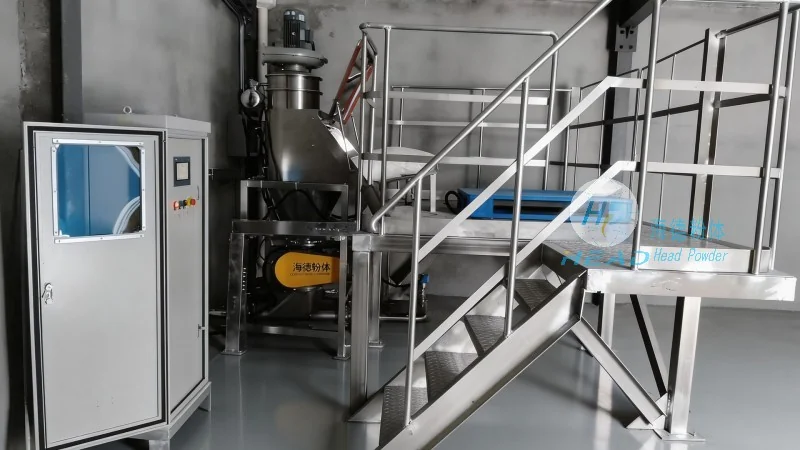
Understanding the Importance of Selecting the Right Pneumatic Conveying System for PVF
Choosing the appropriate pneumatic conveying system for Polyvinyl Formaldehyde (PVF) is not a matter of mere preference but a critical decision that impacts operational efficiency, product quality, and overall process reliability. The choice of system depends on several factors including the material's characteristics, the distance and layout of the handling area, and the specific requirements of the production line. A well-designed system can minimize downtime, reduce maintenance costs, and ensure consistent material flow, all of which are vital for maintaining high productivity in PVF processing.
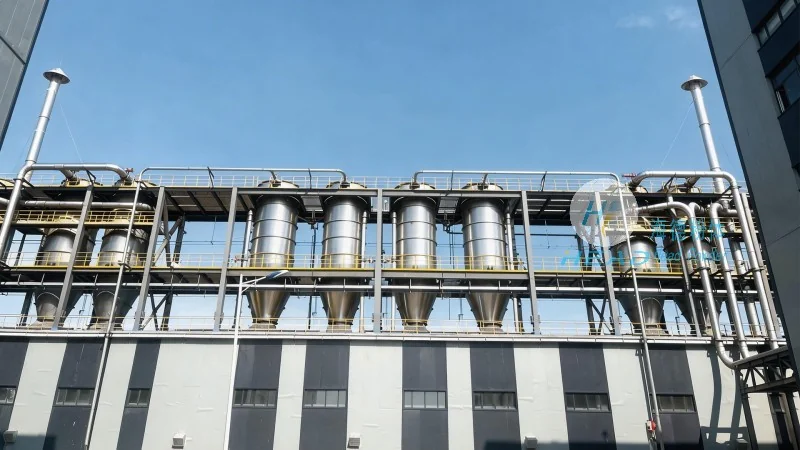
Key Considerations in Selecting a Pneumatic Conveying System for PVF Handling
Several key factors must be considered when evaluating pneumatic conveying systems for Polyvinyl Formaldehyde (PVF). First, the material's physical properties such as particle size, density, and flowability are crucial. PVF particles may vary in size and can be hygroscopic, requiring systems that can handle these variations without clogging or degradation. Second, the system's capacity and pressure requirements must align with the production rate and the distance the material needs to travel. High-pressure systems may be suitable for longer distances or more challenging layouts, while low-pressure systems are often preferred for shorter distances and less demanding applications. Third, the need for material containment and environmental considerations is paramount. Pneumatic conveying systems can be designed to minimize dust emissions and ensure compliance with industrial safety standards, which is particularly important for handling materials like PVF that may have health or environmental implications if not managed properly.
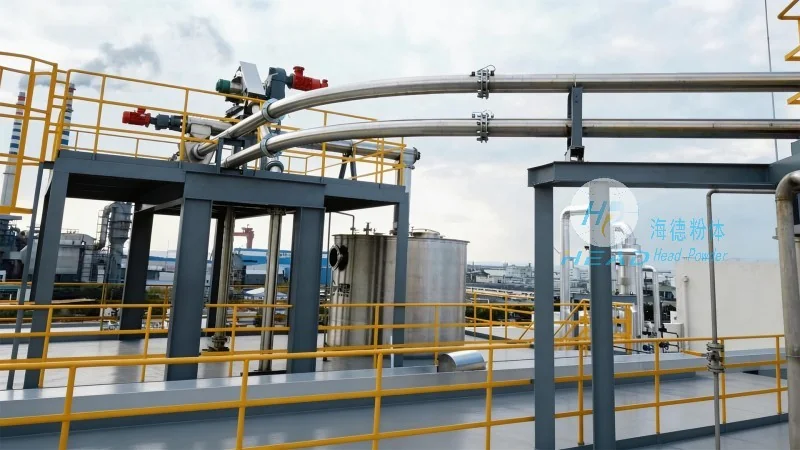
HeadPowder's Expertise in Designing Custom Pneumatic Conveying Solutions for PVF
Shandong HeadPowder Engineering Co., Ltd., a leading provider of industrial conveying solutions, specializes in designing and implementing custom pneumatic conveying systems tailored to the unique needs of Polyvinyl Formaldehyde (PVF) handling. With years of experience in the field, HeadPowder understands the specific challenges associated with PVF and has developed a range of solutions that address these challenges effectively. The company's approach involves a thorough analysis of the client's process requirements, including the volume of material to be handled, the layout of the facility, and the desired level of automation. Based on this analysis, HeadPowder engineers design systems that optimize material flow, minimize energy consumption, and ensure long-term reliability. For example, some of the systems may incorporate features such as variable speed drives, which allow for precise control of material flow rates, or special material handling components that prevent particle degradation or agglomeration.
Benefits of Implementing a Pneumatic Conveying System for PVF Processing
Adopting a pneumatic conveying system for Polyvinyl Formaldehyde (PVF) processing offers numerous benefits that contribute to improved operational performance and cost savings. One of the primary advantages is the reduction in mechanical wear and tear, as there are no moving parts in direct contact with the material. This not only extends the lifespan of the equipment but also reduces the risk of contamination, which is critical for maintaining the quality of PVF products. Another benefit is the flexibility of the system, which allows for easy integration with existing production lines and the ability to adapt to changes in production volume or layout. Additionally, pneumatic conveying systems can be designed to operate in a closed loop, minimizing dust emissions and improving workplace safety. This is particularly important for handling materials like PVF that may be hazardous if inhaled or come into contact with skin. Furthermore, the systems can be equipped with monitoring and control features that provide real-time data on material flow and system performance, enabling operators to quickly identify and address any issues that may arise.
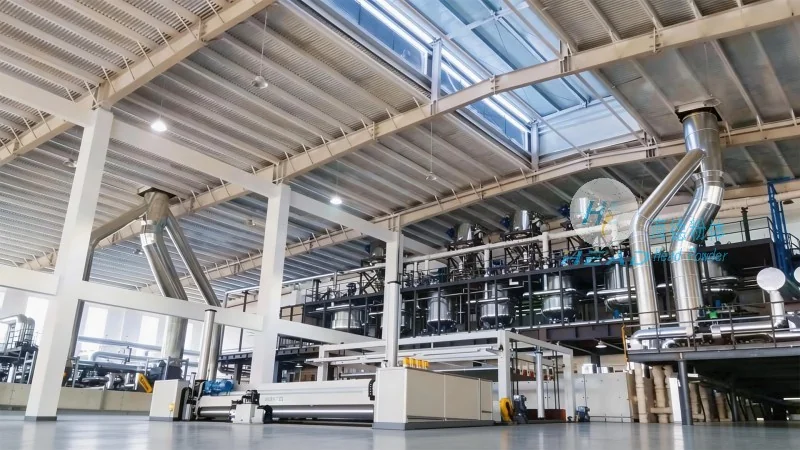
Conclusion: Partnering with HeadPowder for Your PVF Pneumatic Conveying Needs
For businesses looking to enhance their Polyvinyl Formaldehyde (PVF) handling processes with reliable and efficient pneumatic conveying systems, partnering with Shandong HeadPowder Engineering Co., Ltd. is a strategic choice. HeadPowder's expertise in custom system design, coupled with its commitment to quality and customer satisfaction, ensures that clients receive solutions that meet their specific requirements and deliver long-term value. By considering the key factors discussed above and working with a trusted provider like HeadPowder, companies can optimize their PVF handling operations, improve productivity, and maintain the highest standards of product quality and safety.