

Principle and Working Scene Characteristics of Trilayer Material Powder Conveying
Trilayer material powder conveying systems are specialized equipment designed to handle the transportation of trilayer material powders, which are commonly used in battery manufacturing and other industrial applications. These systems are engineered to ensure efficient, reliable, and safe powder transfer from storage to processing units. The core principle behind these systems involves the use of advanced pneumatic or mechanical methods to move fine powders through pipelines or conveying lines. Understanding the underlying principles and operational characteristics of such systems is crucial for optimizing production processes and maintaining product quality.
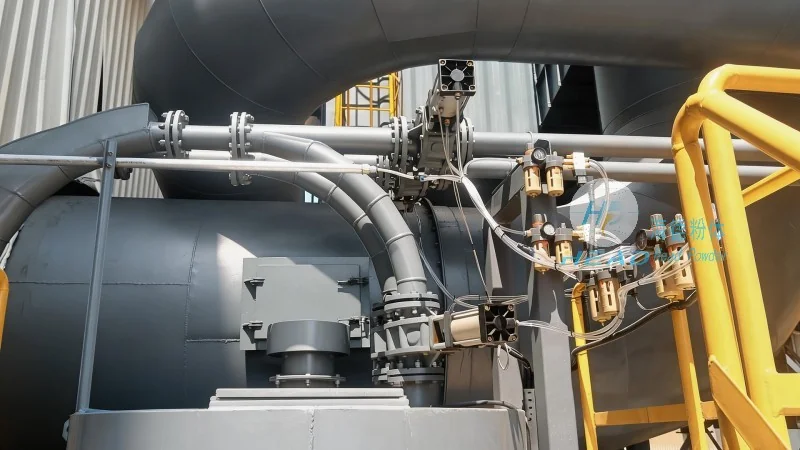
Principle of Trilayer Material Powder Conveying
The operation of trilayer material powder conveying systems is based on the fundamental principles of fluid dynamics and material handling. In pneumatic conveying systems, for example, the powder is suspended in a stream of air and transported through a network of pipes. The system typically consists of a material feed hopper, a conveying line, and a discharge point. The feed hopper ensures a consistent supply of powder, while the conveying line uses pressure or vacuum to move the material. Mechanical conveying systems, on the other hand, rely on screw conveyors, belt conveyors, or other mechanical components to physically move the powder. Both types of systems are designed to handle the unique properties of trilayer materials, such as their fine particle size and potential for agglomeration. The key is to maintain a stable flow and prevent material degradation or contamination during the conveying process.
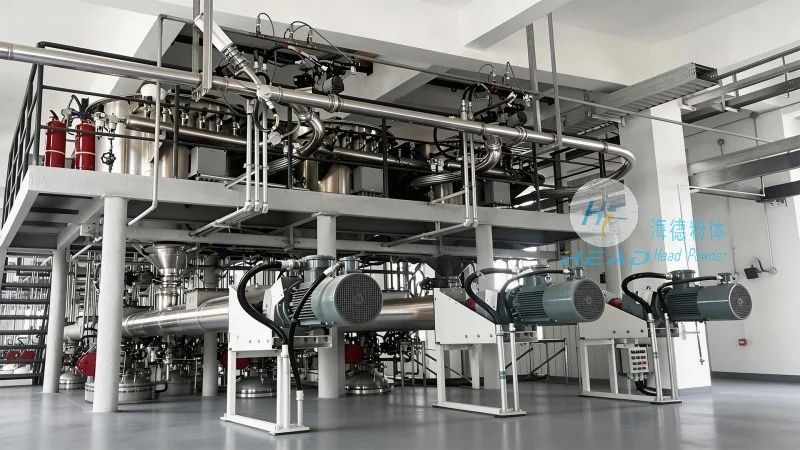
Working Scene Characteristics of Trilayer Material Powder Conveying
The application scenarios for trilayer material powder conveying systems vary widely based on the specific industrial requirements. In battery manufacturing, for instance, these systems are critical for transporting cathode materials, anode materials, and other components to the mixing and coating lines. The working environment in such facilities often involves high precision and strict quality control, as even minor variations in powder flow can impact the final product's performance. Another common application is in the pharmaceutical and food industries, where the systems must adhere to stringent hygiene and safety standards. The characteristics of the working scene, such as the scale of production, the type of materials being handled, and the environmental conditions, all influence the design and selection of the most appropriate conveying system. For example, in large-scale battery production plants, the systems may need to handle high volumes of powder over long distances, requiring robust and efficient designs. In contrast, smaller-scale applications might prioritize compactness and ease of maintenance. Regardless of the specific scenario, the primary goal is to ensure consistent and reliable powder transfer while minimizing downtime and operational costs.
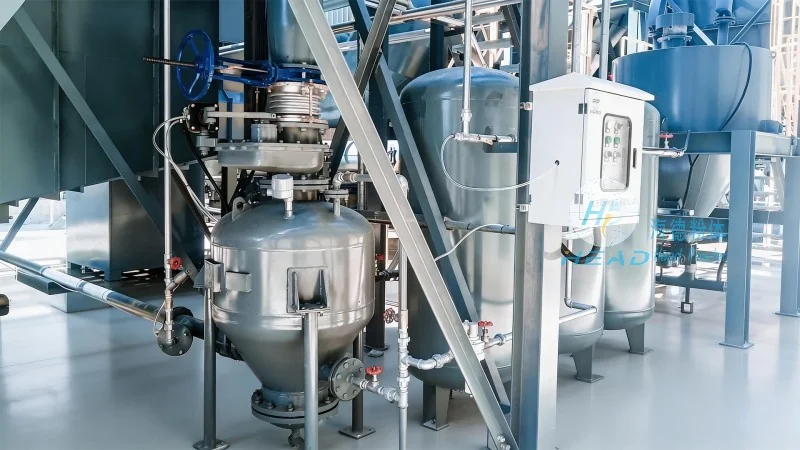
About Shandong HeadPowder Engineering Co., Ltd.
Shandong HeadPowder Engineering Co., Ltd., operating under the brand name headpowder, is a leading provider of advanced powder handling solutions. With a focus on innovation and quality, the company specializes in designing and manufacturing trilayer material powder conveying systems tailored to the needs of various industries. HeadPowder's expertise lies in understanding the unique challenges of handling fine powders and developing solutions that enhance efficiency, safety, and product integrity. The company's facilities are located in Shandong, China, where it leverages local resources and expertise to deliver cutting-edge technology to global markets. By combining engineering excellence with customer-centric approaches, headpowder aims to support industries in optimizing their powder handling processes and achieving their production goals.