

Pneumatic Conveying Solutions for Foundry Sand
For foundry operations, efficient and reliable material handling is crucial to maintaining production efficiency and ensuring product quality. Among the various methods available, pneumatic conveying stands out as a versatile and effective solution for transporting foundry sand. This article introduces the pneumatic conveying solutions offered by Shandong HeadPowder Engineering Co., Ltd., a leading provider in the field, focusing on the technical aspects, benefits, and practical applications of these systems.
Understanding Foundry Sand and Its Handling Challenges
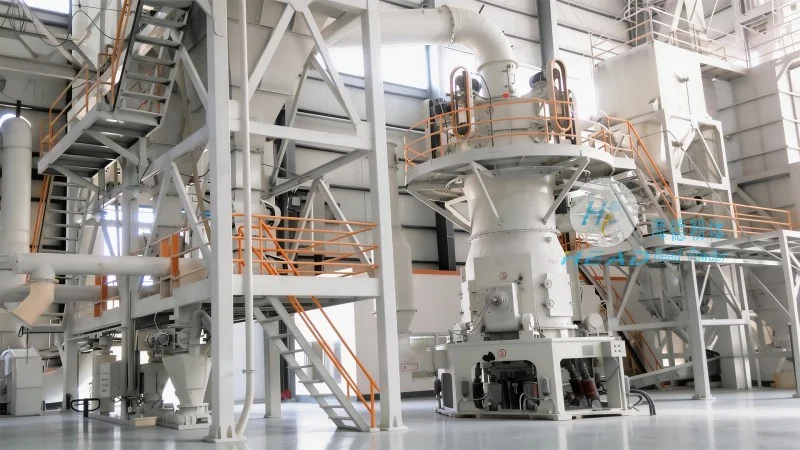
Foundry sand, also known as type sand, is a critical raw material in the casting process. It is used to create molds and cores for metal casting, and its quality directly impacts the final product's dimensional accuracy and surface finish. Handling foundry sand involves moving it from storage to processing equipment, often over long distances and through various stages of the production line. Traditional methods like belt conveyors or bucket elevators may face challenges such as material degradation, dust generation, and high maintenance costs. Pneumatic conveying addresses these issues by using air to transport the sand in a closed system, minimizing contamination and improving material integrity.
Key Features of Pneumatic Conveying Systems
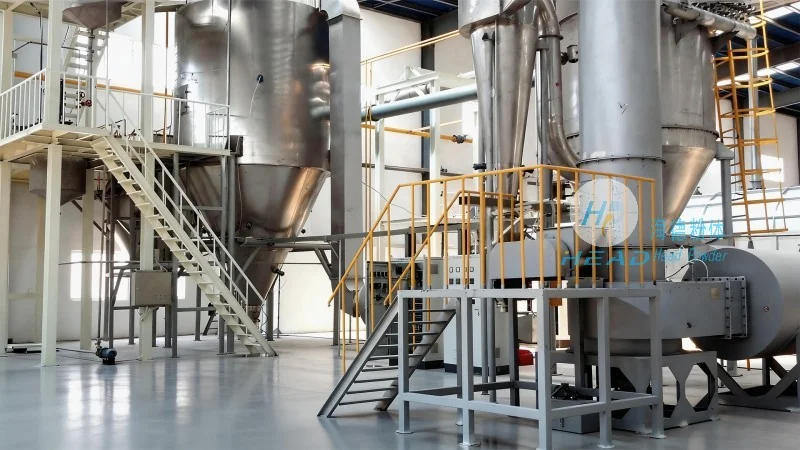
HeadPowder's pneumatic conveying solutions are designed to meet the specific needs of foundry sand handling. These systems typically include components such as feeders, air movers (blowers or vacuum pumps), conveying lines, and collection hoppers. The design can be customized to handle different types of foundry sand, including green sand, dry sand, and resin sand, with varying particle sizes and moisture content. The systems are equipped with advanced controls to ensure consistent flow rates and pressure, optimizing the conveying process. Additionally, the closed-loop design helps in controlling dust emissions, enhancing workplace safety and compliance with environmental regulations.
Benefits of Implementing Pneumatic Conveying Solutions
Adopting pneumatic conveying for foundry sand offers several advantages. Firstly, it significantly reduces material degradation compared to mechanical conveyors, as the sand is not subjected to friction or impact. This maintains the sand's quality, which is essential for consistent casting results. Secondly, the closed system minimizes dust generation, improving air quality in the foundry and reducing the risk of respiratory issues for workers. Thirdly, the systems are generally more energy-efficient, as they can operate with lower power consumption while achieving higher throughput. Furthermore, the flexibility of pneumatic conveying allows for easy integration with existing production lines and future expansion without major modifications.
Customization and Application Examples
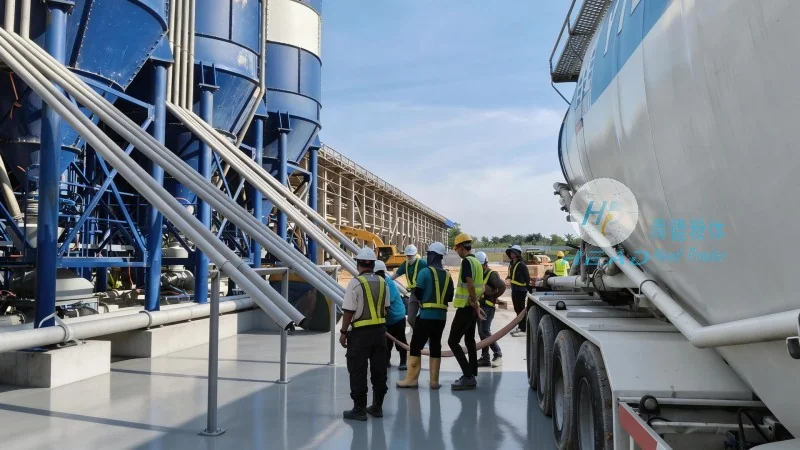
Shandong HeadPowder Engineering Co., Ltd. specializes in tailoring pneumatic conveying systems to the unique requirements of each foundry. The company's engineers work closely with clients to assess their production volumes, sand characteristics, and operational constraints to design the most suitable solution. For instance, a large-scale foundry might require a high-capacity, continuous conveying system to handle thousands of tons of sand per day, while a smaller operation might benefit from a compact, low-capacity system for core making. The systems can be configured for both pressure and vacuum conveying, depending on the application. Examples include transporting sand from bulk storage silos to molding machines, moving sand between different processing stages, and returning sand from the casting process back to the reclamation system.