

Polysilicon Pneumatic Conveying Solutions
Polysilicon, a critical raw material in the photovoltaic industry, requires efficient and reliable material handling systems to ensure smooth production processes. The pneumatic conveying technology offers a sophisticated approach to transporting polysilicon powder, addressing challenges such as dust control, material integrity, and operational efficiency. This article introduces the comprehensive solutions provided by Shandong HeadPowder Engineering Co., Ltd., a leading provider in the field, focusing on the design, implementation, and benefits of polysilicon pneumatic conveying systems.
Company Overview and Expertise
Shandong HeadPowder Engineering Co., Ltd., commonly known as HeadPowder, is a specialized engineering firm based in Shandong, China. With years of experience in powder handling and material transport technologies, the company has developed a deep understanding of the unique requirements for polysilicon processing. HeadPowder’s team of engineers and technicians is dedicated to delivering customized pneumatic conveying solutions that meet the specific needs of clients in the solar energy sector. The company’s commitment to innovation and quality has established it as a trusted partner for businesses seeking reliable and efficient polysilicon transport systems.
Key Features of Polysilicon Pneumatic Conveying Systems
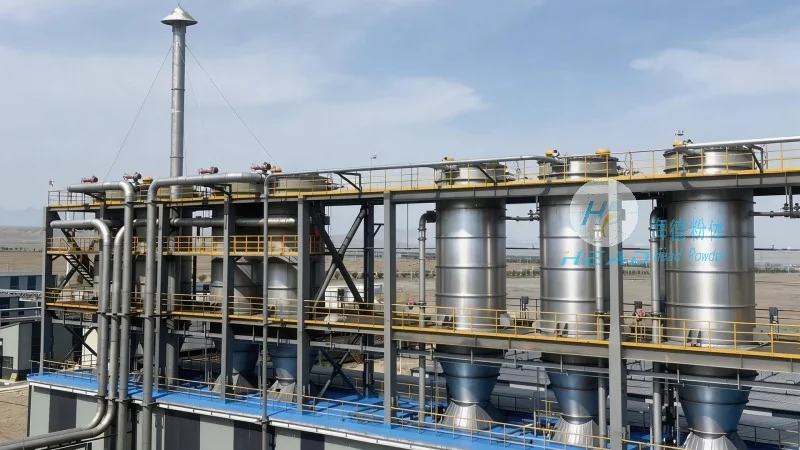
The pneumatic conveying systems for polysilicon are engineered to handle the delicate nature of the material while ensuring minimal degradation. These systems utilize air as the conveying medium, allowing for a closed-loop operation that effectively controls dust emissions and maintains material purity. The design incorporates advanced components such as high-efficiency cyclones, rotary valves, and pressure vessels, which work in tandem to achieve optimal performance. The systems are scalable, capable of handling varying capacities from small-scale laboratory applications to large industrial production lines. Additionally, the equipment is designed for easy maintenance and cleaning, reducing downtime and operational costs. The use of stainless steel and other corrosion-resistant materials ensures durability and compliance with industry standards, making the systems suitable for long-term use in demanding environments.
Customized Solutions for Diverse Applications
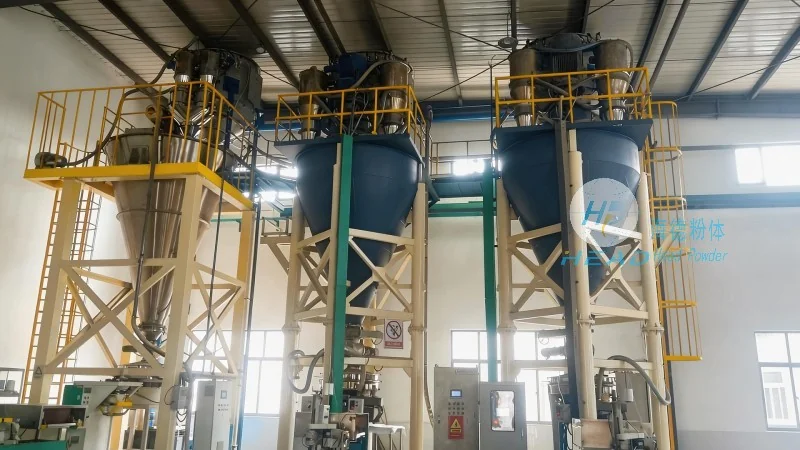
HeadPowder recognizes that each polysilicon production facility has unique operational parameters and space constraints. Therefore, the company offers tailored pneumatic conveying solutions that can be adapted to specific production workflows. Whether the application involves material transfer between reactors, storage silos, or processing units, the systems are designed to integrate seamlessly with existing infrastructure. The solutions may include combination systems that utilize both pressure and vacuum conveying modes to optimize material movement efficiency. For instance, in a typical polysilicon production line, the system may start with a pressure conveyor to transport material from the reactor to a storage silo, followed by a vacuum conveyor to move the material to the next processing stage. This flexibility allows for efficient material flow management and reduces the need for multiple handling steps, thereby enhancing overall productivity.
Benefits and Advantages of Pneumatic Conveying
Implementing a pneumatic conveying system for polysilicon offers several significant advantages. Firstly, the closed system minimizes dust exposure, improving workplace safety and environmental compliance. This is particularly important in the solar industry, where regulatory standards for air quality are stringent. Secondly, the technology reduces material loss and degradation, as the material is conveyed without direct contact with external elements. This ensures that the polysilicon retains its quality and purity, which is crucial for downstream processing steps. Thirdly, the systems are energy-efficient compared to traditional bulk handling methods, such as bucket elevators or belt conveyors. The use of compressed air as the conveying medium allows for precise control of flow rates, minimizing energy waste. Furthermore, the systems are compact and can be installed in limited spaces, making them suitable for retrofitting existing facilities. The low maintenance requirements and long service life of the equipment contribute to lower total cost of ownership over time.
Technical Specifications and Performance Metrics
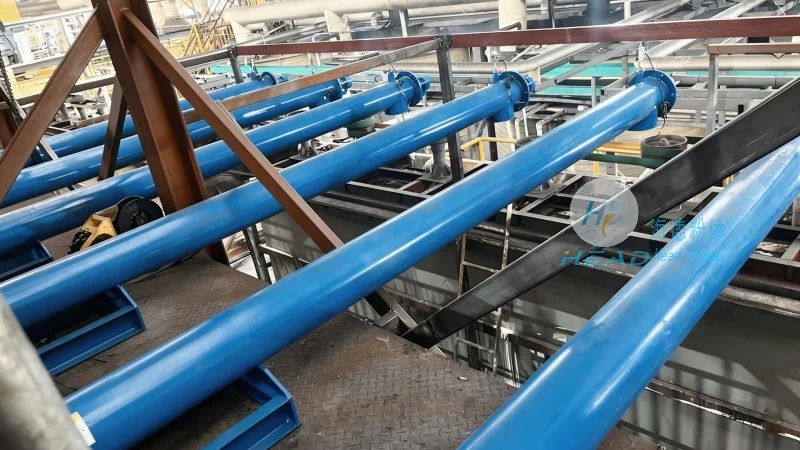
HeadPowder’s polysilicon pneumatic conveying systems are designed with precise technical specifications to meet the demands of modern solar production. The systems typically operate at pressures ranging from 0.5 to 2.0 bar, depending on the material characteristics and distance to be conveyed. The conveying capacity can range from a few kilograms per hour to several tons per hour, depending on the system configuration. The velocity of the conveying air is optimized to prevent material segregation and ensure uniform flow. The cyclone separators in the system are designed with high efficiency, typically achieving separation efficiencies of over 99% for fine particles. The rotary valves used for material discharge are equipped with anti-stick mechanisms to prevent clogging, which is critical for handling sticky or cohesive polysilicon powders. The pressure vessels and pipelines are constructed from high-quality stainless steel, ensuring resistance to corrosion and chemical attack from the polysilicon material. The systems are also equipped with safety features such as pressure relief valves and overcurrent protection, ensuring safe operation under all conditions.
Installation and Commissioning Process
The successful implementation of a polysilicon pneumatic conveying system requires careful planning and execution. HeadPowder provides comprehensive support throughout the entire process, from initial design to final commissioning. The first step involves a detailed site survey to assess the existing infrastructure, material flow requirements, and space availability. Based on this assessment, the engineering team designs a customized system layout that maximizes efficiency and minimizes costs. The design process includes computational fluid dynamics (CFD) simulations to optimize the air flow and pressure distribution within the system. Once the design is finalized, the equipment is manufactured and assembled at the company’s facilities, ensuring adherence to quality standards. The installation phase involves on-site assembly, piping, and electrical connections, carried out by experienced technicians. The commissioning process includes system testing, performance validation, and training for the client’s operations team. The company provides detailed operation and maintenance manuals to ensure that the system is used correctly and maintained effectively. This comprehensive approach ensures that the system is fully operational and meets the client’s expectations from day one.