

Principle and Working Scene Characteristics of Limestone Powder Material Conveying Lines
Limestone powder is a widely used industrial material in various sectors such as construction, chemical manufacturing, and environmental treatment. The efficient transportation of limestone powder from production sites to processing or storage facilities is crucial for maintaining operational efficiency and ensuring product quality. This article explores the fundamental principles of limestone powder material conveying lines and highlights key working scene characteristics that define their application in industrial settings.
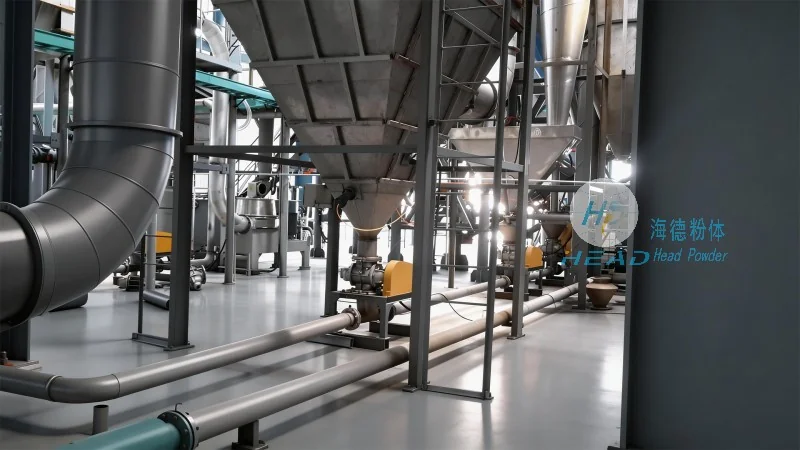
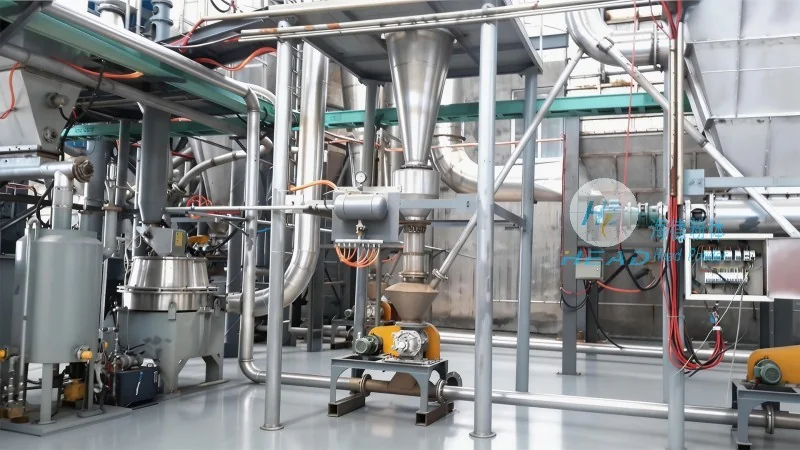
Core Principles of Limestone Powder Conveying Systems
The operation of limestone powder conveying lines is based on several core principles that ensure reliable and continuous material transport. These systems typically utilize pneumatic or mechanical methods to move fine powders through pipelines. Pneumatic conveying, for instance, employs compressed air to create a flow that carries the powder particles, while mechanical systems like screw conveyors or belt conveyors use rotating components to push the material forward. The choice of method depends on factors such as the particle size, moisture content, and the required conveying distance. In pneumatic systems, the air velocity must be sufficient to overcome the powder's resistance and prevent clogging, which is critical for maintaining system performance. Mechanical systems, on the other hand, offer advantages in handling larger or more abrasive materials, though they may require more maintenance and energy input.
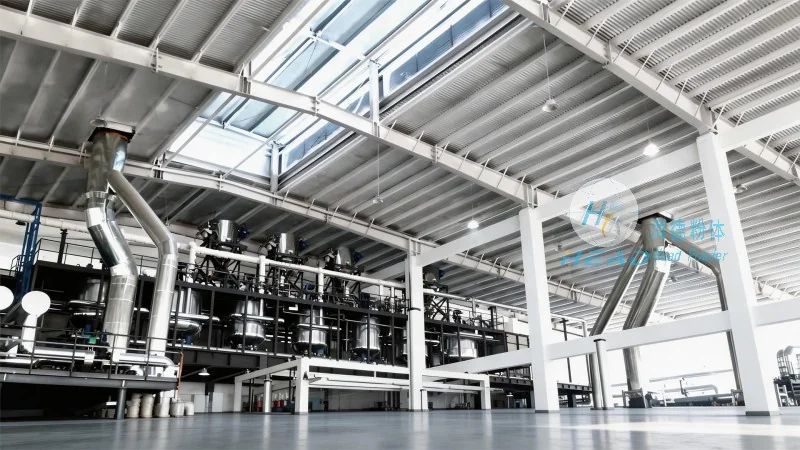
Key Working Scene Characteristics
The working scene characteristics of limestone powder conveying lines vary significantly based on the specific industrial application. For example, in construction sites, these systems are often used to transport limestone powder from storage silos to mixing stations for concrete production. The key characteristics in this scenario include high throughput capacity, as large volumes of powder are needed to meet construction demands. Additionally, the conveying line must be designed to handle dust and prevent environmental contamination, which is essential for compliance with local regulations. In chemical manufacturing plants, the conveying lines may need to transport limestone powder to reactors or processing units, where precise dosing and minimal material loss are critical. This requires the use of specialized equipment, such as rotary valves or metering devices, to control the flow rate accurately. Environmental considerations also play a role, as these plants often operate in controlled environments to prevent dust dispersion. In environmental treatment facilities, limestone powder is used for flue gas desulfurization, and the conveying lines must be robust enough to handle high moisture content and corrosive gases. The systems in this sector often incorporate corrosion-resistant materials and advanced filtration to ensure long-term reliability.
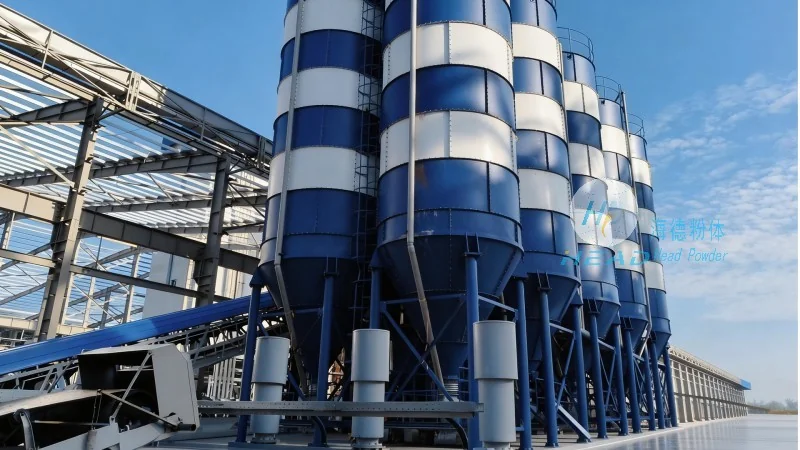
Company Profile: Shandong HeadPowder Engineering Co., Ltd.
Shandong HeadPowder Engineering Co., Ltd., operating under the brand name headpowder, specializes in the design, manufacturing, and installation of material handling systems tailored to the needs of limestone powder and other fine powders. With a focus on innovation and quality, the company has established itself as a leading provider in the industry. HeadPowder's expertise lies in customizing conveying solutions that address the unique challenges of each application, ensuring optimal performance and durability. The company's facilities are located in Shandong, China, where it leverages local resources and expertise to deliver high-quality products and services to clients worldwide.