

Principle and Working Scene Characteristics of Aluminum Dross Material Conveying Lines
HeadPowder Engineering Co., Ltd., a leading enterprise based in Shandong, China, specializes in the design, manufacturing, and installation of advanced material handling systems tailored for industrial applications. The company's expertise lies in developing efficient solutions for transporting aluminum dross, a byproduct commonly encountered in aluminum smelting and processing operations. This article delves into the fundamental principles governing aluminum dross material conveying lines and highlights the key characteristics of their operational environments.
Principle of Aluminum Dross Material Conveying Lines
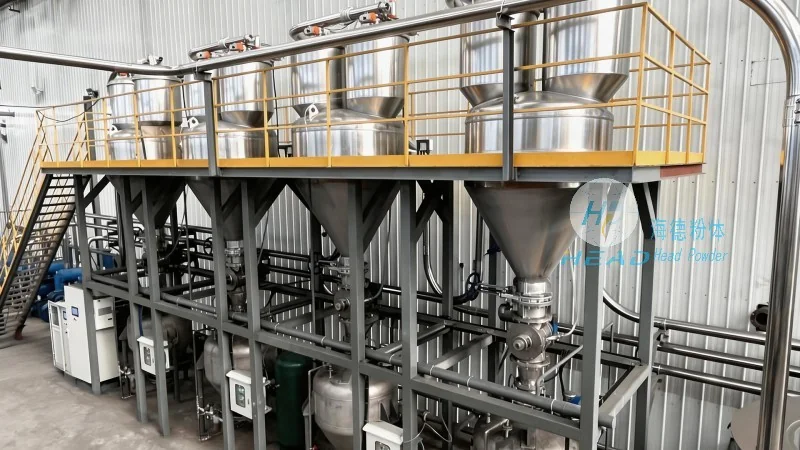
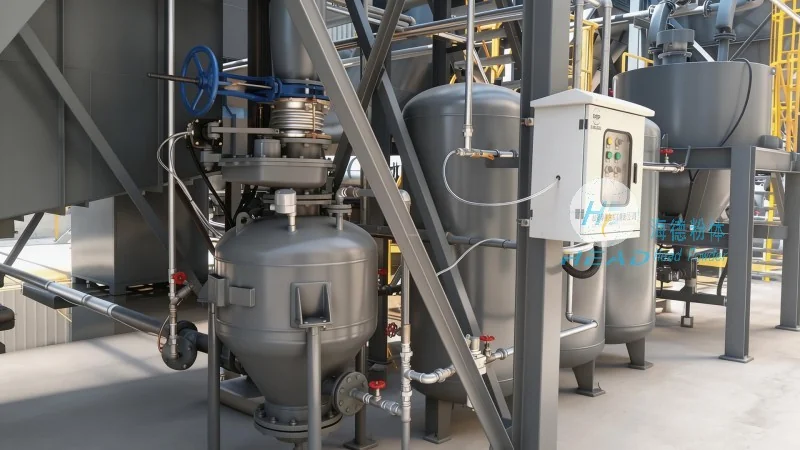
Aluminum dross material conveying lines are engineered to safely and efficiently transport aluminum dross, a granular or semi-solid waste material generated during the aluminum production process. The core principle behind these systems involves the use of specialized equipment, such as belt conveyors, screw conveyors, or pneumatic conveyors, to move the dross from its source (e.g., storage silos, processing units) to designated disposal or recycling facilities. The design of these conveying lines is optimized to handle the unique properties of aluminum dross, including its abrasive nature, varying moisture content, and potential for dust generation. By integrating robust components and advanced control systems, the conveying lines ensure minimal material loss, reduced downtime, and enhanced safety for operators. The mechanical design typically includes heavy-duty frames, wear-resistant liners, and adjustable speed drives to accommodate the demanding conditions of aluminum dross handling. Additionally, the systems often incorporate dust suppression measures and environmental controls to mitigate the impact of airborne particles and ensure compliance with industrial safety standards.
Working Scene Characteristics of Aluminum Dross Material Conveying Systems
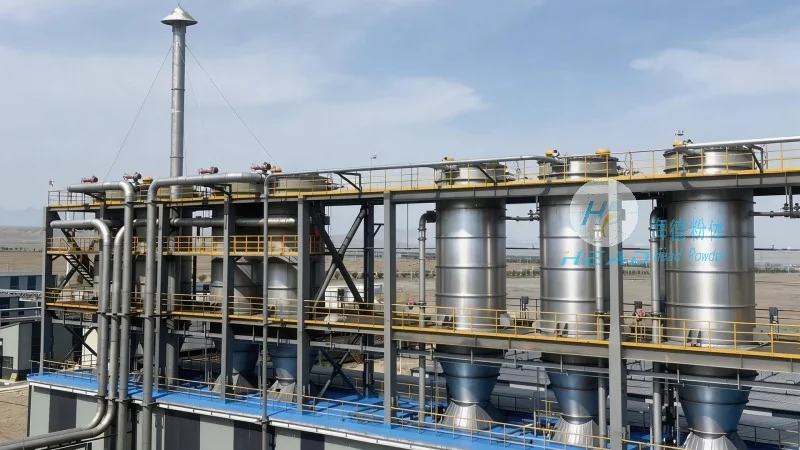
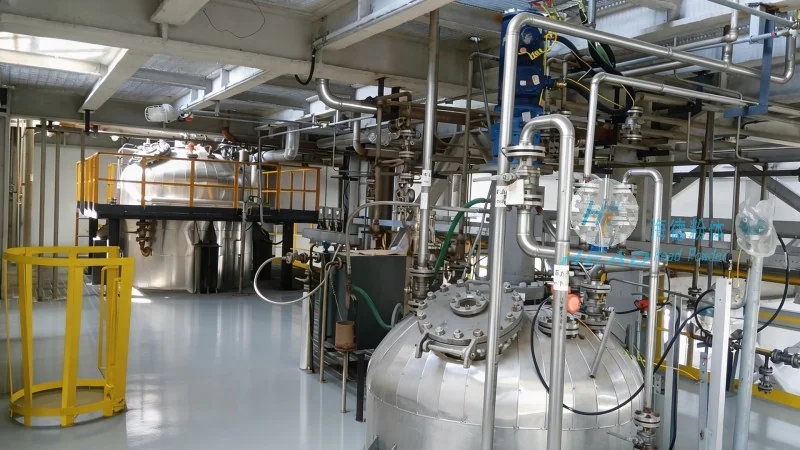
The operational environment of aluminum dross material conveying systems is characterized by several distinct features that influence system performance and maintenance requirements. Firstly, the industrial settings where these systems are deployed are typically found in aluminum smelting plants, recycling facilities, or metal processing workshops. These environments are often characterized by high temperatures, high humidity, and the presence of other heavy machinery, which necessitates the use of durable and heat-resistant materials in the construction of the conveying equipment. Secondly, the material being conveyed—aluminum dross—exhibits properties that can challenge conventional handling methods. For instance, the abrasive nature of the dross can cause rapid wear on conveyor belts and components, requiring regular maintenance and replacement of wear parts. Thirdly, the systems operate in continuous or semi-continuous modes, often under heavy load conditions, which demands reliable power sources and efficient energy management to minimize operational costs. Fourthly, safety is a paramount concern in these work environments, as aluminum dross can be a fire hazard and may produce toxic fumes under certain conditions. Therefore, the conveying systems are equipped with fire suppression systems, dust collection units, and emergency stop mechanisms to protect both personnel and equipment. Finally, the working scene may involve integration with other industrial processes, such as dross melting or material sorting, which requires the conveying line to be adaptable and compatible with adjacent equipment. This adaptability ensures seamless material flow and enhances overall operational efficiency within the industrial facility.