

Principle and Working Scene Characteristics of White Carbon Black Material Handling System Equipment
White carbon black, also known as precipitated silica, is a vital industrial material widely utilized in sectors such as rubber, plastics, coatings, and cosmetics. Efficient and reliable material handling is essential for sustaining production efficiency and product quality. This article delves into the principle and working scene characteristics of the white carbon black material handling system equipment offered by Shandong HeadPowder Engineering Co., Ltd., a leading manufacturer in the field.
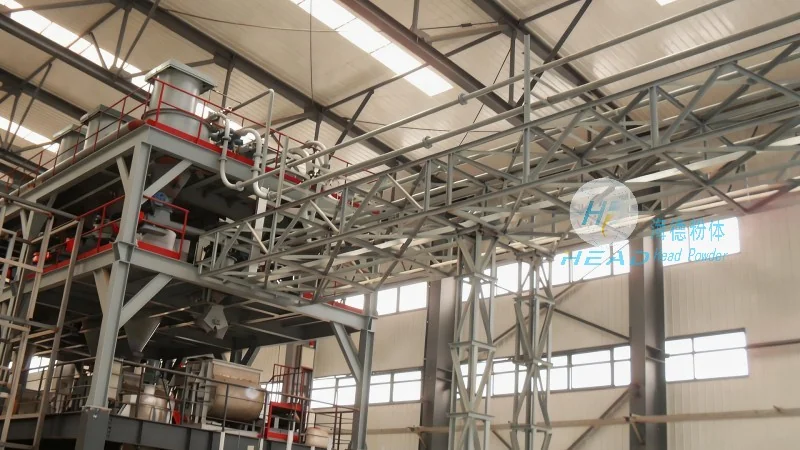
Company Overview: HeadPowder
Shandong HeadPowder Engineering Co., Ltd., commonly referred to as HeadPowder, is a professional enterprise dedicated to the research, development, and production of material handling equipment. With a focus on innovation and quality, HeadPowder has established itself as a trusted partner for industries requiring advanced material handling solutions. The company is headquartered in Shandong, China, and specializes in customizing systems tailored to the specific needs of clients.
Principle of White Carbon Black Material Handling Systems
The white carbon black material handling system typically operates based on principles of pneumatic conveying or mechanical conveying, depending on the material properties and process requirements. Pneumatic conveying systems utilize air or gas to transport the material through pipelines, while mechanical conveying systems rely on screw conveyors, belt conveyors, or bucket elevators. For white carbon black, which is often fine and dusty, pneumatic conveying is commonly preferred due to its ability to handle fine powders with minimal dust generation and efficient transport.
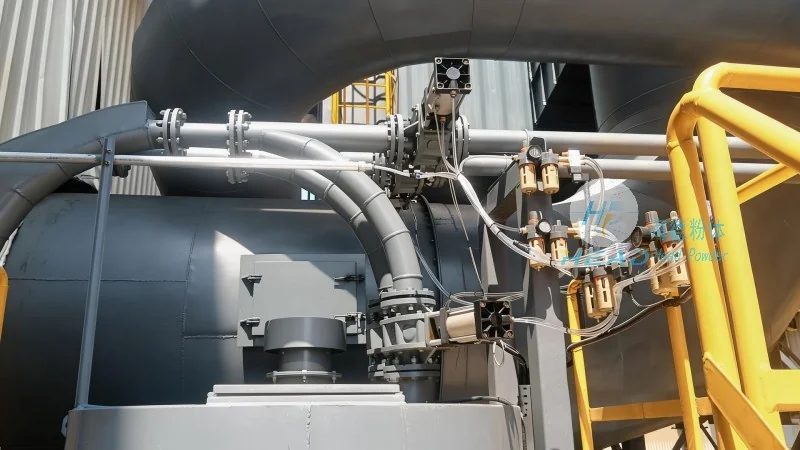
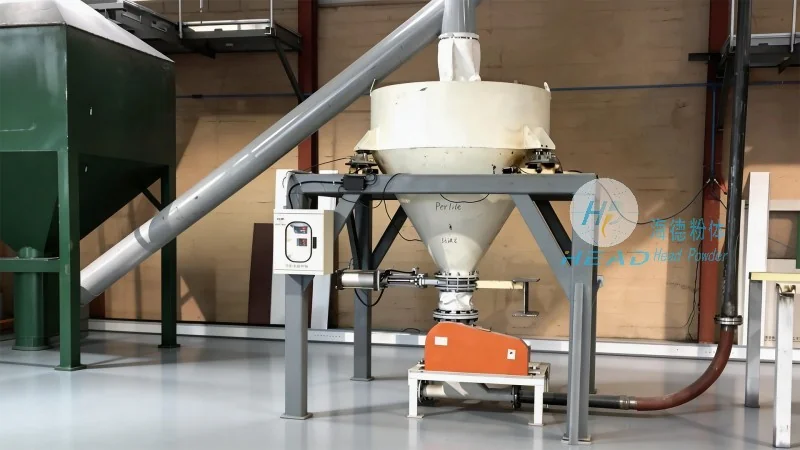
In pneumatic conveying, the system consists of a hopper, a rotary valve, a conveying line, and a dust collector. The material is fed into the hopper, then discharged through the rotary valve into the conveying line. Compressed air is introduced to create a flow that transports the material to the destination. The dust collector ensures that any airborne particles are captured, maintaining a clean and safe working environment. This principle allows for continuous and automated material transport, reducing manual labor and enhancing operational efficiency.
Working Scene Characteristics of the System
The working scene characteristics of the white carbon black material handling system are tailored to meet the demands of industrial applications. These systems are designed to handle high volumes of material with consistent performance, ensuring that production lines operate smoothly without interruptions. The equipment is typically installed in manufacturing facilities where white carbon black is processed or used as an additive.
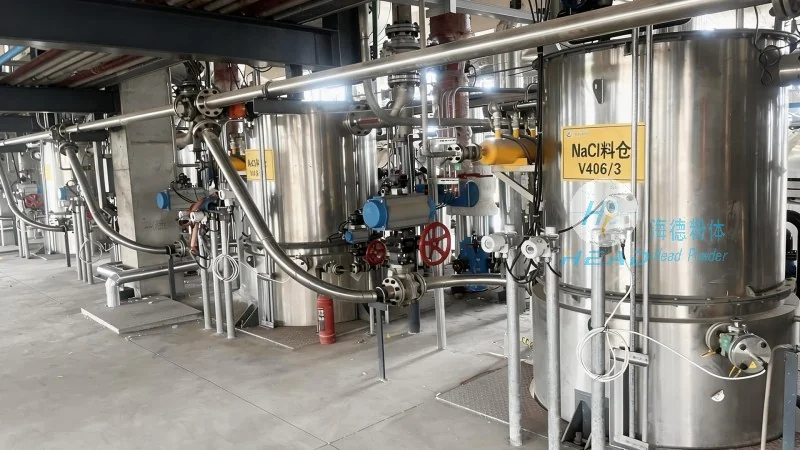
Key characteristics include high conveying capacity, low maintenance requirements, and compatibility with various material types. The systems are also designed for easy integration into existing production lines, minimizing downtime during installation and operation. Additionally, the equipment is constructed with materials resistant to corrosion and abrasion, ensuring long-term durability in harsh industrial environments.
Another important characteristic is the ability to handle fine powders without clogging or blockages. This is achieved through the use of specialized components such as flexible hoses, rotary valves with precise control, and air filtration systems. The system's design minimizes the risk of material buildup, which can lead to operational issues and safety hazards. By maintaining a clean and efficient conveying process, the system ensures that the white carbon black material remains in optimal condition, preserving its quality for downstream applications.
Application Scenarios and Benefits
The white carbon black material handling system is widely used in various industrial scenarios. In the rubber industry, for example, the system efficiently transports white carbon black to mixing machines, ensuring uniform distribution in rubber compounds. In the plastics industry, it delivers the material to extrusion lines, improving the quality and consistency of plastic products. The system's ability to handle fine powders with precision is particularly valuable in these applications, as it directly impacts the final product's properties.
Benefits of implementing such a system include increased production efficiency, reduced labor costs, and improved product quality. By automating the material handling process, companies can achieve higher throughput and lower operational costs. The system also enhances workplace safety by minimizing manual handling of fine powders, reducing the risk of respiratory issues and other health hazards. Furthermore, the consistent material flow ensures that production processes are stable and reliable, leading to better overall performance.