

Principles and Application Scenarios of Pneumatic Conveying for Rice Bran Powders
Understanding the principles and application scenarios of pneumatic conveying for rice bran powders is crucial for optimizing material handling in various industrial processes. This article explores the fundamental mechanisms behind pneumatic conveying systems, specifically tailored to the unique characteristics of rice bran, and highlights the key operational advantages and typical use cases in industrial settings.
Introduction to Pneumatic Conveying for Rice Bran Powders
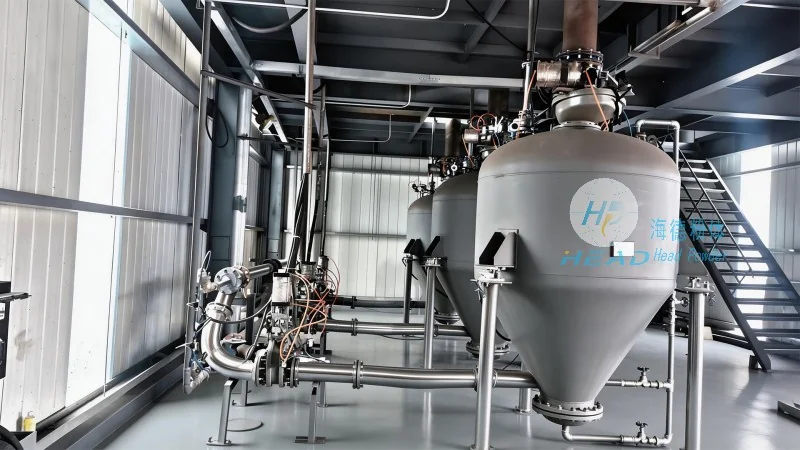
Pneumatic conveying is a method of transporting bulk materials, such as powders, granules, or small particles, using a stream of air or gas. In the context of rice bran powders, this technology offers an efficient and hygienic solution for moving the material from one location to another within a facility. Rice bran, a byproduct of rice milling, is known for its fine particle size and potential for dust generation, making conventional handling methods like belt conveyors or manual transfer less suitable. Pneumatic systems address these challenges by utilizing air pressure to move the material through pipelines, ensuring minimal contamination and operational efficiency.
Working Principles of Pneumatic Conveying Systems
The core principle of pneumatic conveying involves creating a pressure differential between the source and destination of the material. There are two primary types of systems: suction (or negative pressure) and pressure (or positive pressure) systems. Suction systems draw material into the pipeline using a vacuum at the receiving end, while pressure systems push material through the pipeline using compressed air at the discharge end. For rice bran, which is often handled in food processing or feed manufacturing environments, both systems can be applied depending on the layout of the facility and the distance the material needs to travel. The system typically consists of a hopper for material storage, a conveyor line with appropriate pipe diameters and bends, and a control unit to regulate air flow and pressure.
Key Features and Advantages in Handling Rice Bran
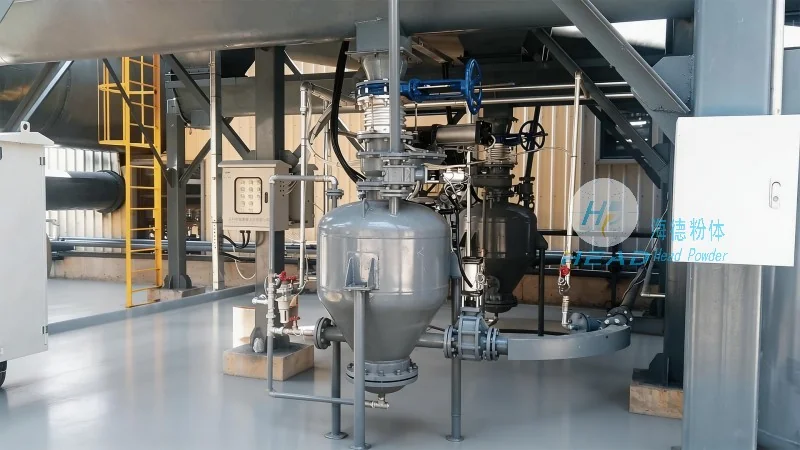
When it comes to handling rice bran powders, pneumatic conveying systems offer several distinct advantages over traditional methods. Firstly, they provide a closed system, which helps in maintaining hygiene standards, especially important in food and feed industries where contamination control is critical. The enclosed pipelines prevent dust from escaping into the environment, reducing the risk of respiratory issues for workers and minimizing product loss due to spillage. Secondly, pneumatic systems are highly efficient in terms of energy consumption and material throughput. They can transport large volumes of rice bran quickly and with minimal downtime, improving overall production rates. Additionally, these systems are flexible in terms of layout, allowing for easy integration into existing industrial setups without major structural modifications. The ability to handle fine powders without clogging or blockages is another key benefit, as rice bran particles can be prone to agglomeration under certain conditions.
Typical Application Scenarios
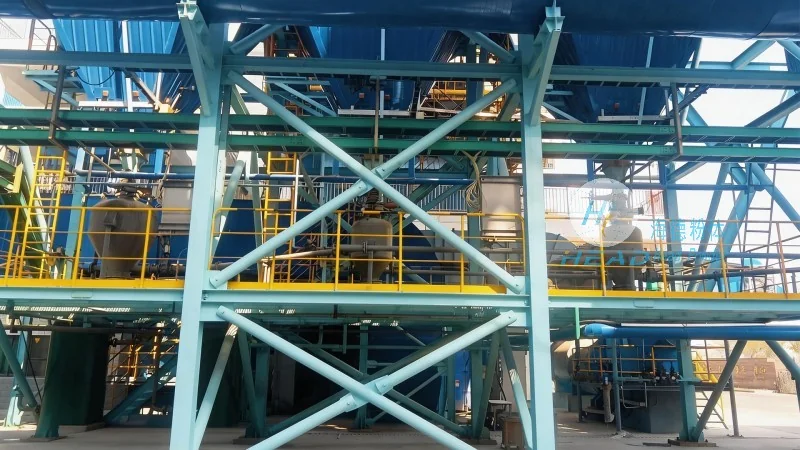
Pneumatic conveying for rice bran powders is widely used in various industrial applications across different sectors. In the food processing industry, rice bran is often used as an ingredient in baked goods, nutritional supplements, or animal feed. Pneumatic systems are employed to transport rice bran from storage silos to processing lines, ensuring a continuous and clean supply of material. In feed manufacturing facilities, rice bran is blended with other ingredients to create animal feed, and pneumatic conveying facilitates the mixing and distribution of these components. Additionally, in agricultural storage and handling facilities, rice bran is transported from storage bins to processing units or packaging areas. The systems are also used in research and development laboratories where precise measurement and handling of rice bran powders are required for testing and formulation purposes. The versatility of pneumatic conveying makes it suitable for both large-scale production lines and smaller-scale operations, adapting to the varying needs of different industries.
Company Profile: Shandong HeadPowder Engineering Co., Ltd.
Shandong HeadPowder Engineering Co., Ltd., operating under the brand name headpowder, specializes in the design, manufacturing, and installation of advanced material handling systems, including pneumatic conveying solutions for rice bran and other fine powders. With a focus on innovation and customer-centric solutions, the company has established itself as a leading provider in the industry. HeadPowder's expertise lies in understanding the unique challenges of handling rice bran, such as its fine particle size, potential for dust generation, and hygienic requirements. The company's engineers work closely with clients to develop customized pneumatic conveying systems that meet specific operational needs, ensuring optimal performance and efficiency. HeadPowder's facilities are located in Shandong, China, where the company leverages local resources and expertise to deliver high-quality products and services. The company's commitment to quality and reliability has earned it a reputation for delivering durable and effective solutions that enhance the productivity and safety of industrial operations.