

Principle and Application Characteristics of Pelletized Powder Pneumatic Conveying
HeadPowder, a prominent enterprise in the field of pneumatic conveying technology, specializes in providing efficient and reliable solutions for the transportation of pelletized powders. Based in Shandong, China, the company has established itself as a trusted partner for industries seeking advanced material handling systems. This article delves into the fundamental principles of pelletized powder pneumatic conveying and explores the key characteristics that define its operational scenarios.
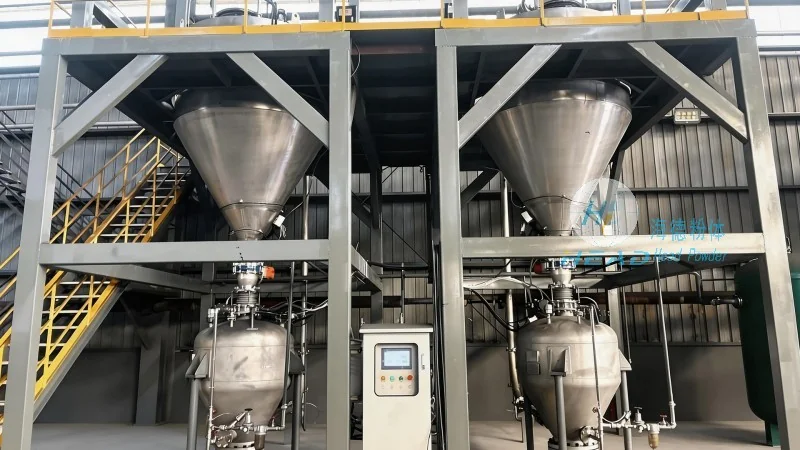
About HeadPowder: A Leading Provider of Pneumatic Conveying Solutions
HeadPowder, operating under the full name Shandong HeadPowder Engineering Co., Ltd., is dedicated to innovation and excellence in the design, manufacturing, and implementation of pneumatic conveying systems. With a strong presence in the Chinese market, particularly in Shandong, the company leverages decades of industry experience to deliver tailored solutions that meet the specific needs of clients across various sectors. The company's commitment to quality, safety, and sustainability ensures that its products and services align with global standards, making it a preferred choice for businesses looking to optimize their material handling processes.
Principle of Pelletized Powder Pneumatic Conveying
Pelletized powder pneumatic conveying is a method that utilizes compressed air or other gas to transport granular or powdered materials through a pipeline system. The core principle involves the creation of a low-pressure or high-pressure environment within the conveying line, which allows the material to be suspended and moved by the flowing gas. This process eliminates the need for mechanical components such as belts, buckets, or screw conveyors, reducing maintenance requirements and operational costs. The system typically consists of a feeding unit, a conveying line, and a discharge unit, with optional components like filters, cyclones, and dust collectors to ensure efficient material transfer and environmental compliance.
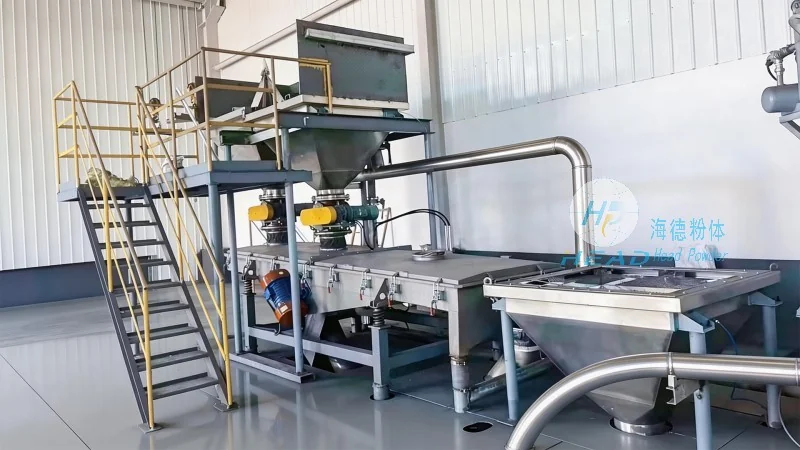
Key Operational Characteristics and Application Scenarios
The application of pelletized powder pneumatic conveying is characterized by several distinct features that make it suitable for a wide range of industrial environments. Firstly, the system offers high efficiency in material transport, with the ability to move powders over long distances with minimal loss or degradation. This is particularly advantageous for industries dealing with sensitive or valuable materials, as the enclosed pipeline prevents contamination and exposure to external factors. Secondly, the technology provides flexibility in terms of layout and integration, allowing for customized designs that fit the spatial constraints and operational requirements of different facilities. For instance, in manufacturing plants, the system can be integrated into existing production lines to streamline material flow from raw material storage to processing units.
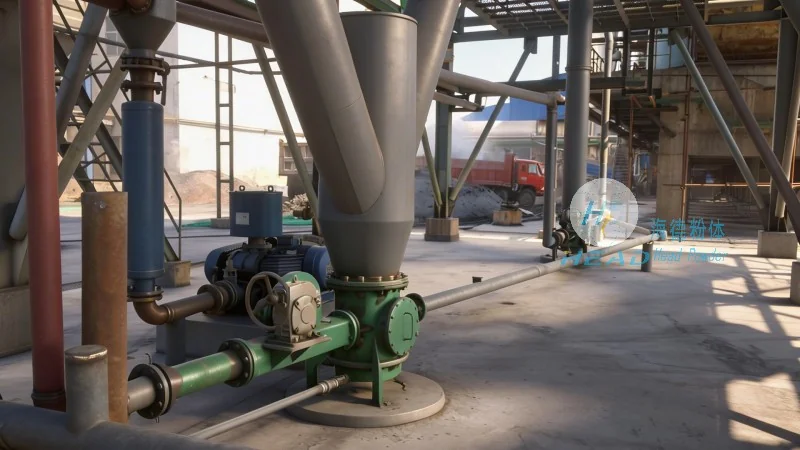
In terms of specific application scenarios, pelletized powder pneumatic conveying is widely used in sectors such as construction materials, chemical processing, food and beverage, and pharmaceuticals. In the construction industry, for example, it is employed to transport lightweight aggregates like expanded clay pellets or other granular materials used in concrete production. The system ensures consistent and uniform material delivery, which is critical for maintaining the quality of construction products. Similarly, in the chemical industry, the technology is utilized to handle various powders, including catalysts, pigments, and reagents, where precise control over material flow is essential to prevent contamination and ensure process efficiency.
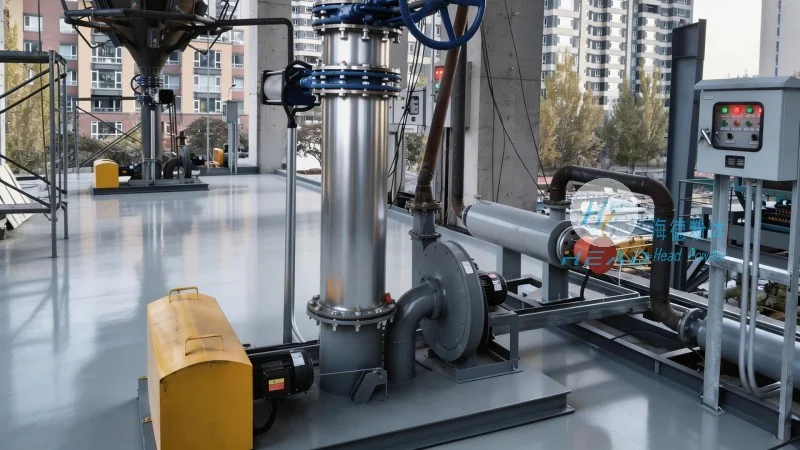
Advantages and Considerations in Pelletized Powder Pneumatic Conveying
One of the primary advantages of pelletized powder pneumatic conveying is its ability to handle a broad range of material types, from fine powders to larger granules, with consistent performance. The system's enclosed design also contributes to improved safety by containing dust and preventing exposure to hazardous materials. Additionally, the lack of moving parts reduces the risk of mechanical failure and simplifies maintenance, leading to lower operational downtime. However, the technology also has certain considerations, such as the need for proper air pressure management and the potential for material buildup in the conveying line if not properly designed. Proper system sizing and regular maintenance are crucial to ensure optimal performance and longevity.
Conclusion: Tailored Solutions for Optimal Material Handling
Overall, pelletized powder pneumatic conveying represents a sophisticated and efficient method for material handling, offering significant benefits in terms of performance, safety, and cost-effectiveness. HeadPowder, with its expertise and commitment to quality, provides comprehensive solutions that address the unique challenges faced by industries. By understanding the principles and characteristics of this technology, businesses can make informed decisions to enhance their material handling processes and achieve operational excellence. The company's presence in Shandong, China, underscores its role as a key player in the global market for pneumatic conveying systems, continuing to drive innovation and meet the evolving needs of its clients.