

Principle and Working Scene Characteristics of Industrial Alkali Powder Pneumatic Conveying Lines
Industrial alkali powder pneumatic conveying lines represent a critical technology in modern industrial processes, particularly for handling caustic and alkaline powders. These systems are designed to transport bulk powders like sodium hydroxide, calcium hydroxide, or other alkaline materials efficiently and safely. The principle of pneumatic conveying involves using air or gas to move powder particles through a pipeline, leveraging pressure differentials or vacuum to achieve material transport. This method offers significant advantages over traditional mechanical conveying, such as reduced risk of dust explosion, improved process control, and enhanced safety in handling hazardous materials.
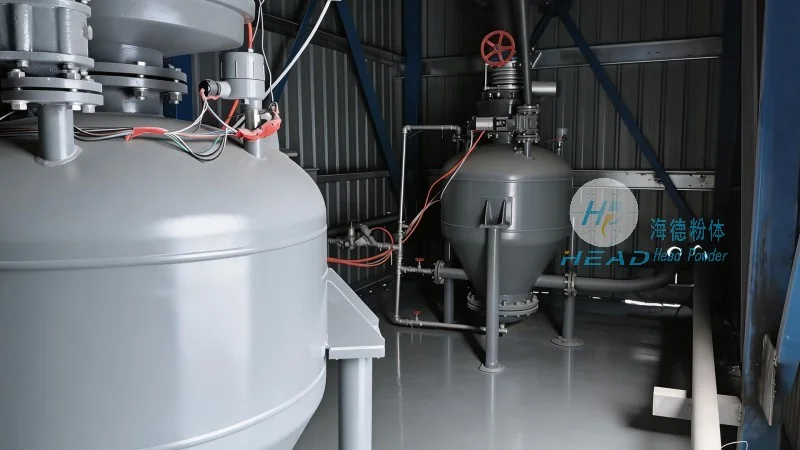
Company Introduction: Shandong HeadPowder Engineering Co., Ltd.
HeadPowder, formally known as Shandong HeadPowder Engineering Co., Ltd., is a leading manufacturer and supplier of advanced powder handling solutions. With headquarters in Shandong, China, the company specializes in designing, manufacturing, and installing pneumatic conveying systems tailored to the unique needs of industrial applications. HeadPowder's expertise lies in understanding the specific challenges of handling alkali powders, which often require specialized equipment to prevent corrosion, ensure material integrity, and maintain operational safety.
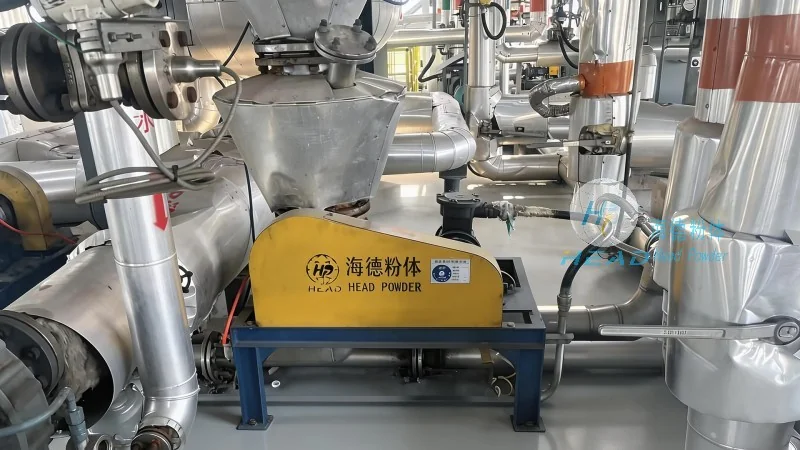
The Fundamental Principle of Pneumatic Conveying for Alkali Powders
The core principle of industrial alkali powder pneumatic conveying lines is the use of air as the conveying medium to transport powder particles. There are two primary modes of operation: positive pressure (pressure) and negative pressure (vacuum). In positive pressure systems, compressed air is introduced at the material feed point, creating a pressure differential that pushes the powder through the pipeline. Negative pressure systems, conversely, use a vacuum at the discharge end to draw the powder into the system. For alkali powders, which can be corrosive or reactive, the choice of conveying mode and material for the pipeline and components is critical. HeadPowder's systems are engineered to use corrosion-resistant materials like stainless steel or specialized coatings to ensure durability and prevent contamination of the alkaline materials.
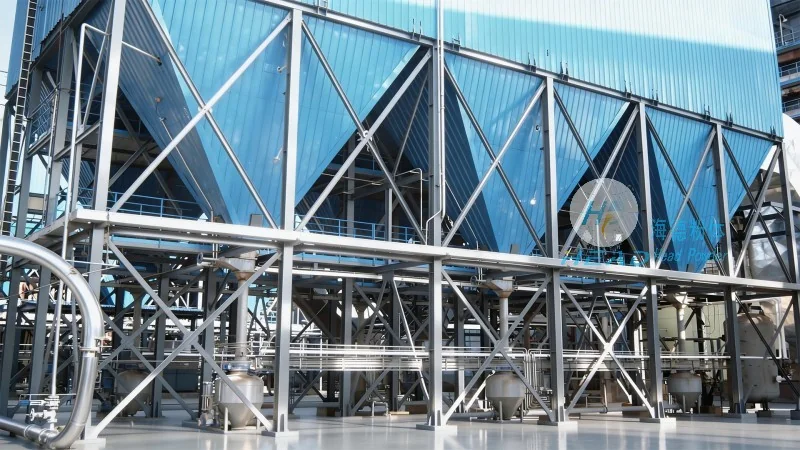
Key Working Scene Characteristics and Applications
The working scene characteristics of industrial alkali powder pneumatic conveying lines are defined by their adaptability to diverse industrial environments. These systems are commonly employed in chemical manufacturing, where they facilitate the transport of caustic soda or other alkaline reagents between reactors, storage tanks, and processing units. In the pharmaceutical industry, similar systems are used to handle alkaline excipients or active pharmaceutical ingredients (APIs) with strict purity and contamination control requirements. The flexibility of pneumatic conveying allows for integration into existing production lines, enabling seamless material transfer without the need for manual handling or additional equipment. Additionally, these systems are suitable for applications requiring high throughput and continuous operation, such as in large-scale chemical plants or industrial manufacturing facilities.
Advantages and Technical Considerations in Alkali Powder Handling
When implementing industrial alkali powder pneumatic conveying lines, several key advantages and technical considerations must be addressed. One of the primary benefits is the reduction of dust exposure, which is crucial for maintaining worker safety and compliance with occupational health regulations. Unlike mechanical conveying, which may generate significant dust, pneumatic systems confine the powder within a closed pipeline, minimizing airborne particles. Another advantage is the ability to handle materials with varying flow properties, including cohesive or fine powders, which are common in alkali applications. HeadPowder's systems are designed to accommodate these variations through adjustable air flow rates and specialized feed mechanisms.
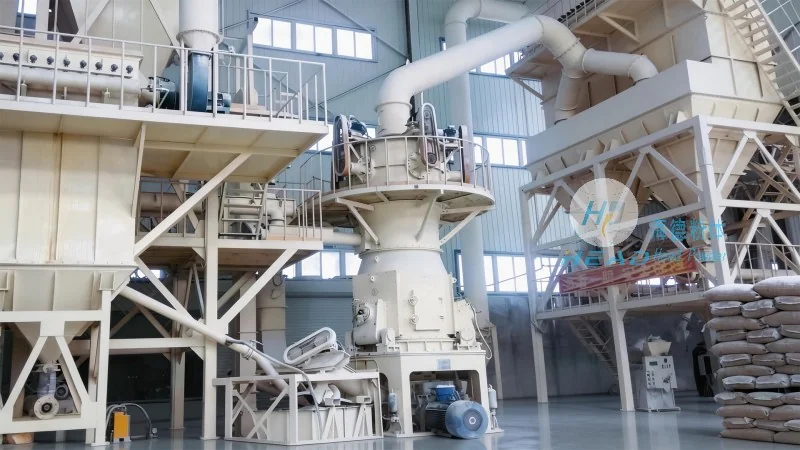
Ensuring Efficiency and Reliability in Industrial Operations
Efficiency and reliability are paramount in industrial alkali powder pneumatic conveying systems. HeadPowder's solutions are engineered to optimize material transport with minimal energy consumption, ensuring cost-effective operation for long-term industrial use. The systems are also designed for easy maintenance and troubleshooting, with accessible components and monitoring capabilities that allow operators to detect and address issues promptly. For example, pressure sensors and flow meters are integrated into the system to provide real-time data on conveying performance, helping to maintain optimal operation and prevent downtime. In addition, the use of corrosion-resistant materials and robust construction ensures that the conveying lines can withstand the harsh conditions associated with alkali powders, providing a long service life and reducing the need for frequent replacements.