

Principle and Working Scene Characteristics of Magnesium Hydroxide Powder Pneumatic Conveying Line
For industries dealing with magnesium hydroxide powder, efficient material handling is crucial to maintaining production efficiency and product quality. Pneumatic conveying lines offer a reliable solution for transporting these fine powders over varying distances, ensuring minimal product degradation and operational safety. This article explores the fundamental principles behind such systems and highlights the key characteristics of their working environments, with a focus on applications in industrial settings.
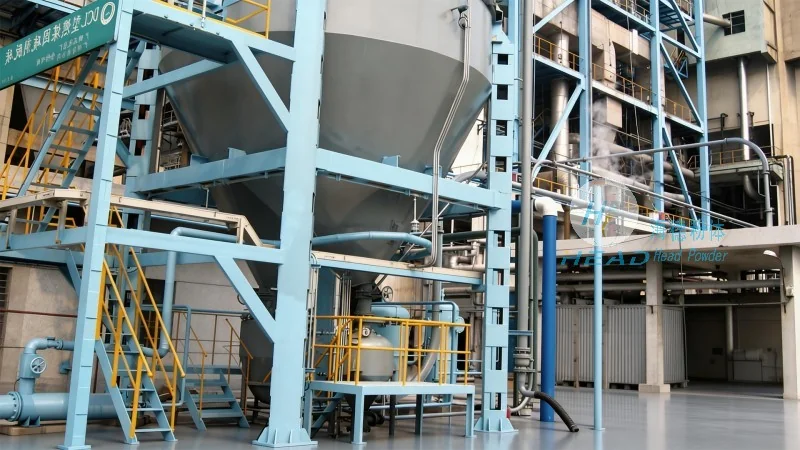
About HeadPowder Engineering: A Specialist in Powder Handling Solutions
HeadPowder, or Shandong HeadPowder Engineering Co., Ltd., is a leading provider of customized powder handling systems, headquartered in Shandong, China. With years of experience in the field, the company specializes in designing and manufacturing pneumatic conveying equipment tailored to the unique needs of industries processing magnesium hydroxide and other fine powders. Their expertise lies in integrating advanced technology with practical engineering to deliver solutions that enhance productivity, reduce downtime, and ensure compliance with safety and environmental standards.
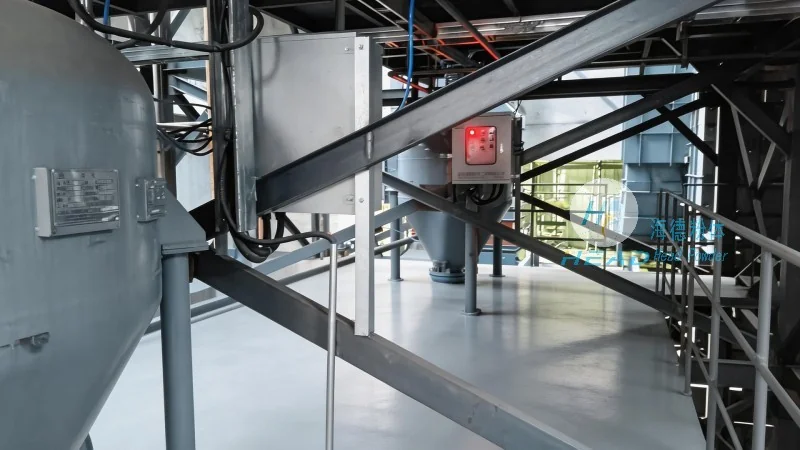
The Principle of Pneumatic Conveying for Magnesium Hydroxide Powder
Pneumatic conveying systems operate on the principle of using compressed air or other gases to transport bulk materials through a pipeline. In the case of magnesium hydroxide powder, the system typically consists of a hopper for material storage, a feeder to control the flow rate, a conveying line (often with multiple sections like a dilute-phase or dense-phase system), and a receiver for the discharged material. The process begins when the powder is fed into the system, where it is entrained by the high-velocity air stream. This air-powder mixture travels through the pipeline, with the air providing the necessary force to move the particles. The dilute-phase system, which is commonly used for magnesium hydroxide, involves a lower air-to-material ratio, resulting in a higher conveying velocity and lower pressure drop. This method is ideal for short to medium-distance transport, offering advantages such as low equipment cost and ease of installation. The dense-phase system, on the other hand, uses a higher air-to-material ratio, creating a slower, more controlled flow that minimizes particle impact and reduces the risk of product degradation. For magnesium hydroxide, which is sensitive to moisture and mechanical stress, the dense-phase option is often preferred to preserve the powder's quality and characteristics.
Key Working Scene Characteristics of Magnesium Hydroxide Pneumatic Conveying Lines
The working environment of a magnesium hydroxide pneumatic conveying line is characterized by several factors that influence its performance and effectiveness. First, the system must be designed to handle the specific properties of magnesium hydroxide, including its fine particle size (typically ranging from 1 to 100 microns) and hygroscopic nature. The fine particles require a well-designed hopper and feeder to prevent bridging and ensure consistent flow. The hygroscopicity of the powder means that the conveying system must be equipped with moisture control measures, such as drying the air or using sealed components, to prevent clumping or caking. Second, the system's layout and configuration are tailored to the industrial application. For example, in a chemical plant, the conveying line may need to connect multiple processing units, such as reactors, filters, and storage tanks, requiring a network of pipelines and control valves. The working scene also includes considerations for space constraints, as the system is often installed in existing facilities, necessitating compact designs and flexible routing. Third, operational efficiency is a critical characteristic. The system's ability to maintain a consistent flow rate, minimize pressure drop, and reduce energy consumption is essential for cost-effective operation. This is achieved through optimized air velocity, proper pipeline sizing, and efficient control systems. Additionally, the system must meet safety standards, including explosion-proof designs for handling potentially flammable or reactive powders, and dust collection systems to prevent airborne particle dispersion. The working scene also involves regular maintenance and monitoring to ensure the system operates within its design parameters, with features like pressure sensors, flow meters, and alarm systems to detect and address issues promptly.
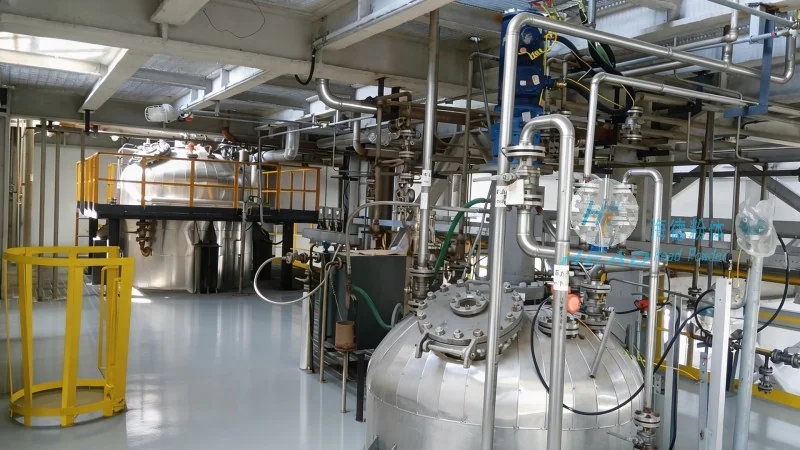
Applications and Benefits in Industrial Settings
Magnesium hydroxide pneumatic conveying lines are widely used in various industrial applications, including chemical manufacturing, pharmaceuticals, and food processing. In chemical plants, they are employed to transport magnesium hydroxide from storage silos to reactors or downstream processing units, ensuring a continuous supply of raw material. The system's ability to handle large volumes of fine powder efficiently reduces the need for manual handling, which is both labor-intensive and risky. In the pharmaceutical industry, the system is used to transport magnesium hydroxide for use in drug formulations, where product purity and consistency are paramount. The dense-phase conveying method helps maintain the powder's quality, preventing contamination and ensuring that the final product meets regulatory standards. In food processing, the system is utilized to transport magnesium hydroxide used as a food additive, such as in antacids or dietary supplements. The hygienic design of the conveying line, including stainless steel components and sealed connections, ensures that the powder remains free from contaminants and meets food safety regulations. The benefits of using pneumatic conveying for magnesium hydroxide extend beyond efficiency and safety. The system reduces product loss and waste by minimizing spillage and dust generation, which is particularly important for a hygroscopic powder like magnesium hydroxide. It also improves workplace safety by eliminating the need for manual handling of bulk materials, reducing the risk of accidents and exposure to dust. Furthermore, the system's flexibility allows for easy integration with existing production lines, enabling companies to upgrade their material handling processes without major disruptions. This adaptability is crucial for industries that require frequent changes in production schedules or product types.