

Principles and Operational Scenarios of Mobile Material Pneumatic Conveying
Mobile material pneumatic conveying systems represent a sophisticated approach to material handling, offering efficient and flexible solutions for transporting bulk materials. At the core of this technology lies the principle of using air as a medium to move powders, granules, and other particulate materials from one location to another. This method, known as pneumatic conveying, leverages the force of compressed air to create a flow that propels the material through a pipeline network. The system typically consists of a hopper for material storage, a blower or compressor to generate the air pressure, and a series of pipes that guide the material to its destination. By eliminating the need for mechanical components like belts or buckets, pneumatic conveying reduces maintenance requirements and minimizes the risk of material contamination.
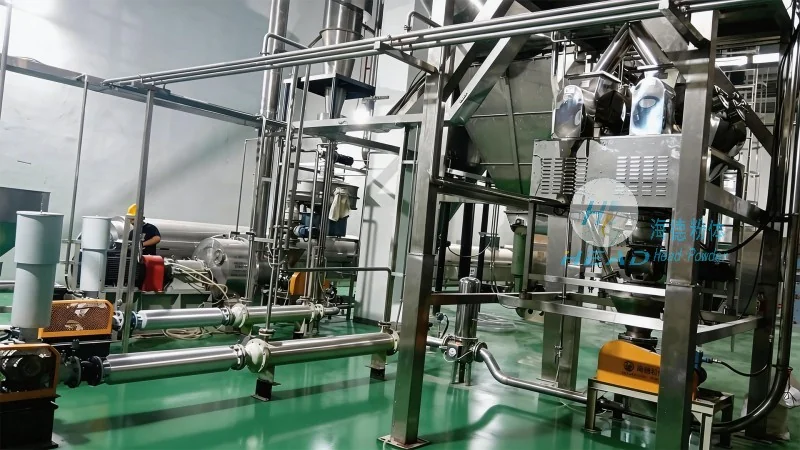
Key Principles Underlying Mobile Pneumatic Conveying
The fundamental principle of mobile pneumatic conveying is the creation of a consistent air flow that can transport material through a closed system. This is achieved by controlling the air pressure and velocity within the pipeline. The system operates on either positive pressure or negative pressure (suction) modes. In positive pressure systems, air is forced into the pipeline, pushing the material forward. Negative pressure systems, or vacuum systems, draw material into the pipeline by creating a low-pressure zone. The choice between these modes depends on the material characteristics, distance of transport, and the layout of the facility. For mobile applications, positive pressure systems are often preferred due to their ability to handle a wider range of materials and longer distances without significant pressure loss.
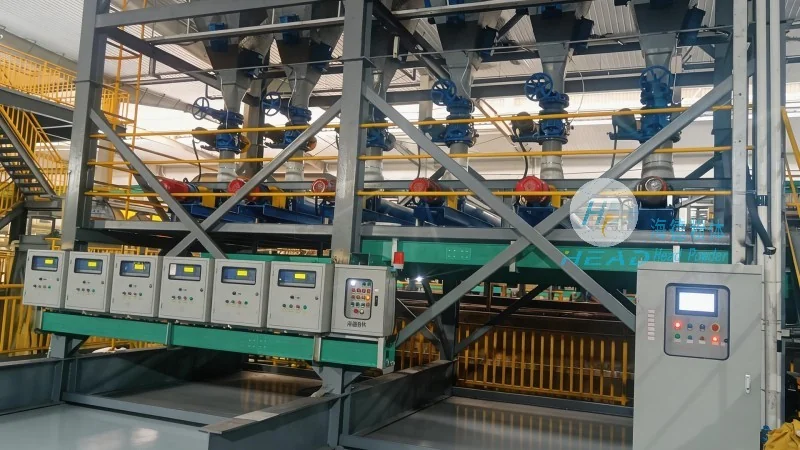
Working Scenarios and Practical Applications
Mobile material pneumatic conveying systems are particularly well-suited for a variety of industrial and construction scenarios where traditional material handling methods may be impractical or inefficient. One common application is in construction sites, where bulk materials such as cement, sand, and gravel need to be transported from storage to work areas. The mobile nature of these systems allows for easy relocation as the construction progresses, adapting to changing work zones without the need for fixed infrastructure. Another key scenario is in agricultural settings, where systems can be used to transport grain, fertilizer, or other agricultural products from storage silos to processing facilities or fields. The flexibility of mobile units enables farmers and agricultural businesses to optimize material flow based on seasonal demands and operational needs.
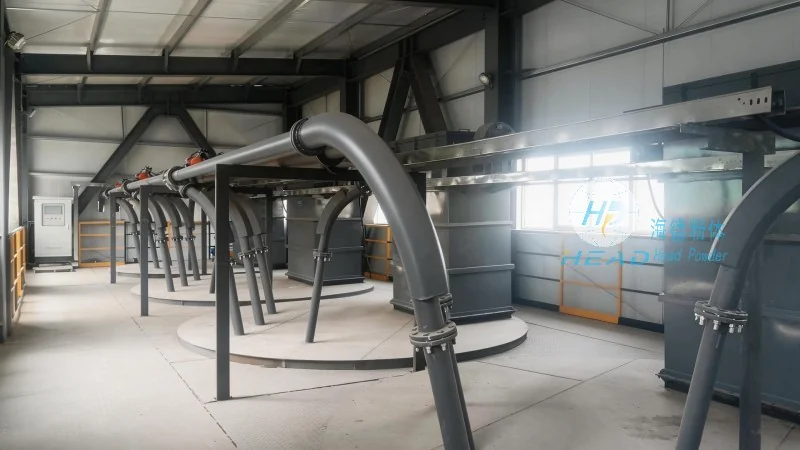
Advantages and Operational Characteristics
Mobile material pneumatic conveying offers several distinct advantages over traditional handling methods. First, it provides a clean and hygienic method of material transport, as the system is enclosed and sealed, preventing dust and contamination from escaping into the environment. This is particularly important for materials that are sensitive to moisture or air exposure, such as pharmaceuticals or food products. Second, the system is highly efficient in terms of energy consumption and operational speed. By using compressed air, the material can be moved quickly and over long distances with minimal energy input compared to mechanical systems. Additionally, the mobile design allows for scalability; as the demand for material handling increases, additional units can be added to the system without significant modifications to the existing infrastructure. This flexibility makes mobile pneumatic conveying an attractive option for businesses that require adaptable and cost-effective material handling solutions.
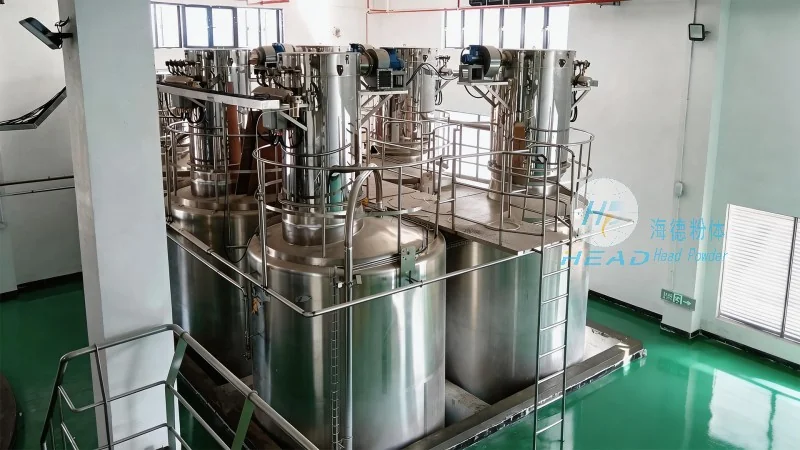
Company Overview: Shandong HeadPowder Engineering Co., Ltd.
HeadPowder, a leading manufacturer of material handling equipment, specializes in the design, development, and production of advanced pneumatic conveying systems. With a strong presence in China, particularly in Shandong, the company has built a reputation for delivering high-quality, reliable solutions tailored to the needs of various industries. The company's commitment to innovation and customer satisfaction has enabled it to serve a diverse range of clients, from construction companies to agricultural operations. HeadPowder's products are engineered to meet international standards and are backed by comprehensive technical support and after-sales service, ensuring that clients receive the best possible performance and support throughout the lifecycle of their equipment.