

Principles and Application Scenarios of Dust-Free Closed Material Pneumatic Conveying
HeadPowder, a leading provider of industrial material handling solutions, specializes in dust-free closed pneumatic conveying systems. This article explores the fundamental principles behind these systems and highlights key application scenarios where they excel in maintaining cleanliness and operational efficiency.
Understanding the Core Principles of Dust-Free Pneumatic Conveying
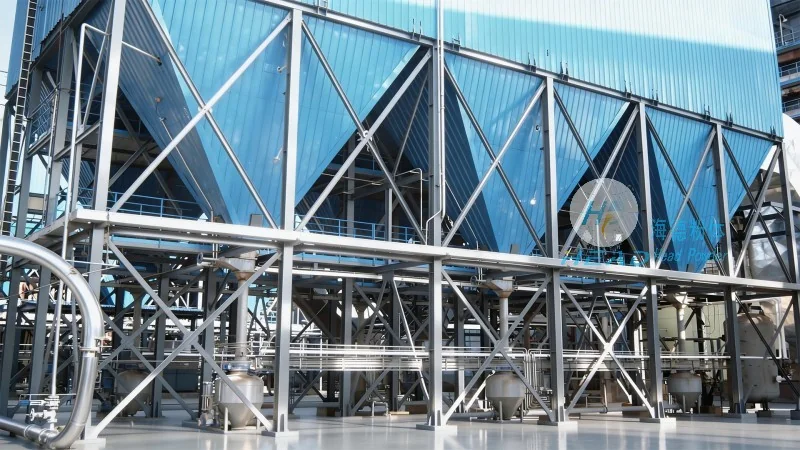
The primary principle of dust-free closed material pneumatic conveying is the use of a sealed system to transport bulk materials through a network of pipes using air or gas as the conveying medium. Unlike traditional open systems that expose materials to the environment, closed systems ensure that the material remains contained within the pipeline, preventing dust emissions and contamination. This is achieved through a combination of positive pressure or negative pressure (suction) to move the material from the source to the destination. The system typically includes components such as a hopper, feeder, conveyor line, and discharge device, all integrated to maintain a sealed environment throughout the process.
Key Components and Operational Mechanics
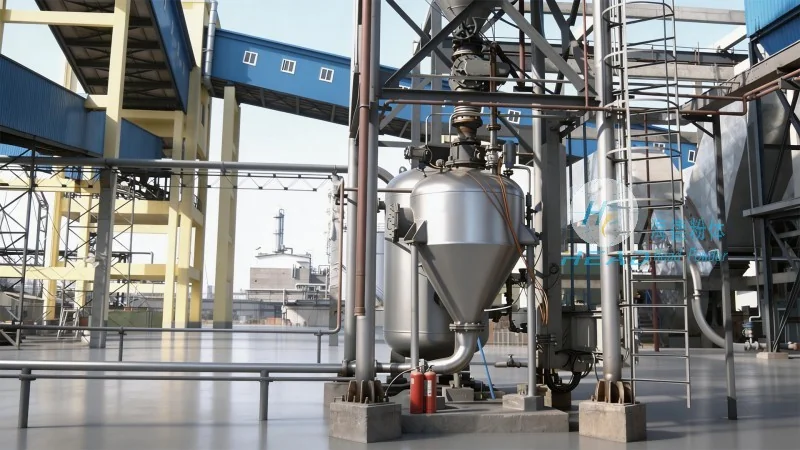
At the heart of a dust-free closed pneumatic conveying system are several critical components that work in tandem to ensure efficient material transport. The hopper serves as the storage and feeding unit, where material is loaded and metered into the system. The feeder, often a rotary valve or screw feeder, regulates the flow rate of material into the conveying line. The conveyor line itself is a network of pipes that transport the material, with the air or gas providing the necessary force to move the material particles. The discharge device, such as a rotary valve or gate valve, controls the release of material at the destination. The system may also include filters and cyclones to separate air from the material, ensuring that the air is clean before it is released back into the environment.
Application Scenarios Where Dust-Free Conveying is Essential
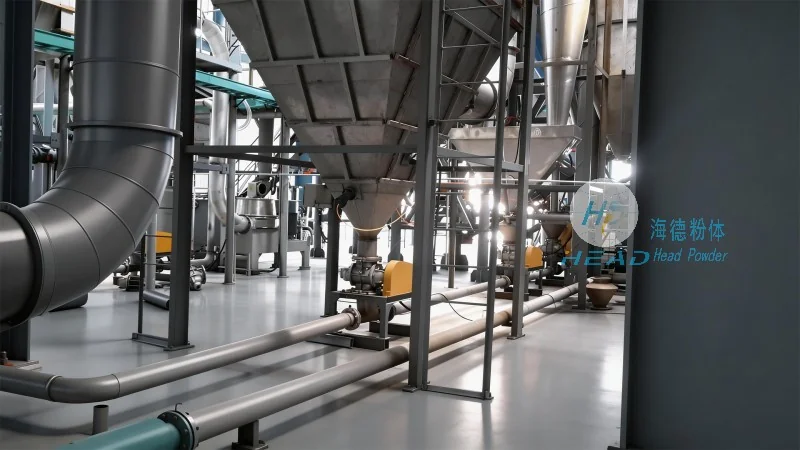
Dust-free closed material pneumatic conveying is particularly valuable in industries where material cleanliness and environmental compliance are paramount. For instance, in pharmaceutical manufacturing, food processing, and chemical production, the risk of contamination from dust is unacceptable. These industries rely on closed systems to maintain product purity and meet stringent regulatory standards. In pharmaceutical facilities, for example, the system can transport active pharmaceutical ingredients (APIs) and excipients without exposing them to airborne contaminants, ensuring product quality and safety. Similarly, in food processing plants, the system can handle powders like flour, sugar, or spices while preventing cross-contamination and maintaining food safety standards.
Advantages of Closed Pneumatic Conveying Systems
Compared to other material handling methods, dust-free closed pneumatic conveying offers several advantages that make it a preferred choice for many applications. One of the most significant benefits is the elimination of dust emissions, which not only improves workplace safety but also reduces environmental impact. The sealed system prevents material loss and contamination, which can be costly in industries where product purity is critical. Additionally, closed systems are more energy-efficient than open systems, as they require less air pressure to move the material due to the reduced friction and resistance from the sealed environment. The compact design of the system also allows for easier integration into existing facilities, reducing installation time and costs.
HeadPowder's Expertise in Dust-Free Conveying Solutions
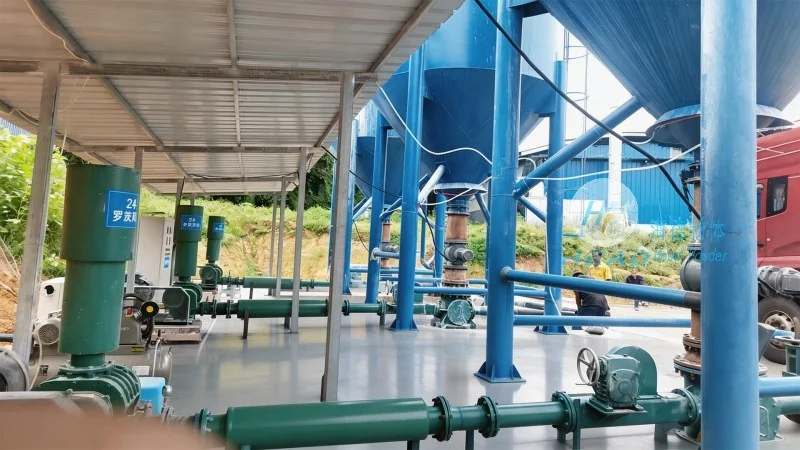
As a company based in Shandong, China, HeadPowder Engineering Co., Ltd. has established itself as a trusted provider of custom dust-free pneumatic conveying solutions. With years of experience in the industry, the company understands the unique challenges faced by different sectors and tailors its systems to meet specific operational requirements. HeadPowder's team of engineers and technicians work closely with clients to design and implement systems that optimize material flow, minimize downtime, and enhance overall productivity. The company's commitment to quality and innovation ensures that its products are reliable, durable, and compliant with international standards.