

Principle and Working Scene Characteristics of Vacuum-Pressure Mixed Material Pneumatic Conveying
HeadPowder, a leading engineering company based in Shandong, China, specializes in the design and implementation of advanced material handling solutions. Among their portfolio is the vacuum-pressure mixed material pneumatic conveying system, a technology that combines the benefits of both vacuum and pressure conveying methods to achieve efficient material transport in various industrial applications.
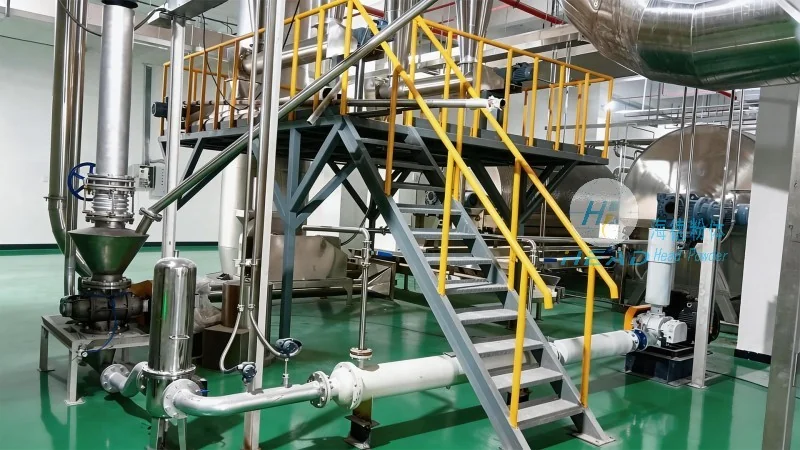
Understanding the Principle of Vacuum-Pressure Mixed Material Pneumatic Conveying
The core principle of this system lies in the integration of vacuum and pressure stages to optimize material transport efficiency. In the initial vacuum stage, the system draws material from the source, such as a hopper or storage bin, into the conveying line. This stage is particularly effective for handling materials that are difficult to move by pressure alone, like fine powders or granules that may settle or clog under high pressure. The vacuum stage uses a suction fan to create a negative pressure, pulling material through the pipeline by creating a pressure differential between the source and the receiver.
Following the vacuum stage, the system transitions to a pressure stage. This stage uses a positive pressure fan to push the material forward, ensuring it reaches the destination, such as a processing unit or storage silo. The mixed approach allows for the handling of a wide range of materials, from low to high flow rates, and accommodates varying particle sizes and densities. By alternating between vacuum and pressure, the system maintains a consistent flow rate and minimizes the risk of material blockages or degradation, which are common issues in traditional single-stage conveying systems.
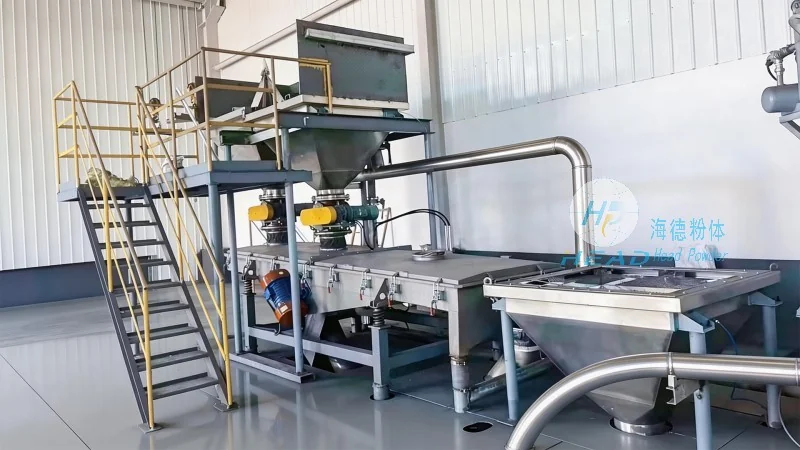
Key Working Scene Characteristics of the System
The vacuum-pressure mixed material pneumatic conveying system is particularly suited for applications where material handling demands flexibility and efficiency. One of the primary advantages is its ability to handle materials over long distances with minimal energy consumption. This makes it ideal for industries such as food processing, pharmaceuticals, and chemical manufacturing, where product purity and contamination control are critical. The system’s design allows for easy integration with existing production lines, reducing downtime and installation costs.
In industrial settings, this technology is often used in scenarios where materials need to be transported from multiple sources to a single destination or vice versa. For example, in a food processing plant, the system can efficiently convey flour or sugar from storage silos to mixing machines, while maintaining the product’s quality and preventing cross-contamination. Similarly, in a chemical plant, it can handle powders like calcium carbonate or silica, ensuring safe and reliable transport without the need for manual handling.
Advantages in Diverse Industrial Applications
The versatility of the vacuum-pressure mixed material pneumatic conveying system is evident in its application across various industries. In the food industry, the system’s ability to handle sensitive materials, such as spices or dairy powders, without compromising their quality is a significant advantage. The sealed conveying process prevents exposure to air, moisture, or contaminants, which is essential for maintaining product freshness and regulatory compliance. In the pharmaceutical sector, the system’s design adheres to stringent hygiene standards, making it suitable for conveying active pharmaceutical ingredients (APIs) and other sensitive materials.
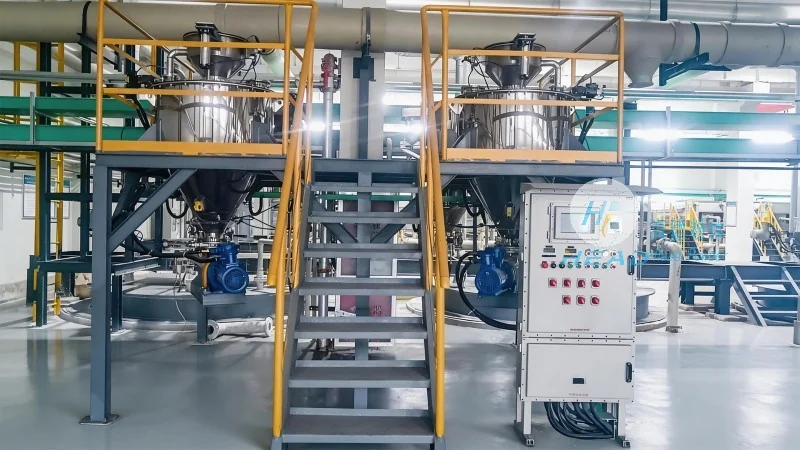
In the chemical industry, the system is used to transport materials like pigments, catalysts, and other powders that require precise control over flow and temperature. The mixed vacuum-pressure approach ensures that these materials are conveyed without degradation, which is crucial for maintaining their chemical properties. Additionally, the system’s ability to handle abrasive materials, such as coal or metal powders, reduces wear and tear on components, extending the equipment’s lifespan and reducing maintenance costs.
Conclusion and Company Expertise
HeadPowder Engineering Co., Ltd., with its headquarters in Shandong, China, has established itself as a trusted provider of advanced material handling solutions. The vacuum-pressure mixed material pneumatic conveying system exemplifies the company’s commitment to innovation and efficiency, offering a reliable and versatile solution for industries seeking to optimize their material transport processes. By combining the best features of vacuum and pressure conveying, this system addresses the challenges of traditional methods, providing a cost-effective and sustainable approach to material handling. With a focus on customer needs and industry standards, HeadPowder continues to lead in the development of cutting-edge engineering solutions for the global market.