

Principle and Working Scene Characteristics of Pneumatic Conveying Equipment for Anhydrous Aluminum
For industrial applications involving the handling of anhydrous aluminum chloride powder, efficient and reliable material transport is crucial. Pneumatic conveying equipment offers a solution that integrates the principles of fluidization and air flow to move bulk materials like this chemical compound safely and effectively. This article explores the fundamental principles behind such systems and highlights key working scene characteristics that make them suitable for various industrial environments. The expertise in this field is exemplified by companies like Shandong HeadPowder Engineering Co., Ltd., based in China, which specializes in the design and manufacturing of advanced pneumatic conveying solutions.
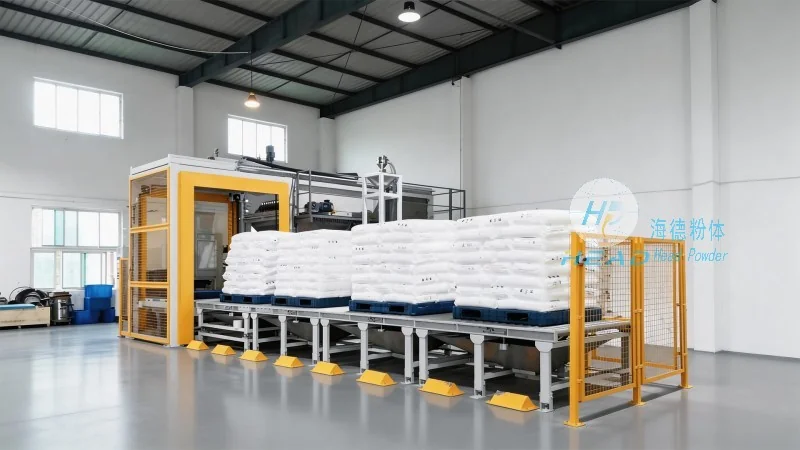
Principle of Pneumatic Conveying for Anhydrous Aluminum Chloride
The core principle of pneumatic conveying for anhydrous aluminum chloride powder is the use of compressed air to create a fluidized state within the conveying line. By introducing air at a controlled velocity, the powder particles are suspended and transported through the pipeline. This process, known as dilute phase conveying, relies on the balance between the air velocity and the particle density to ensure stable transport without clogging or degradation of the material. The system typically includes a hopper for material storage, a blower or compressor to generate the necessary air pressure, and a pipeline network that guides the material to its destination. The design of the conveying line, including the size of the pipes and the angle of the incline, is critical to maintaining optimal air-particle ratios and preventing material deposition or blockages.
Key Working Scene Characteristics
Several key characteristics define the suitability of pneumatic conveying systems for anhydrous aluminum chloride powder applications. First, the system's ability to handle fine powders without agglomeration or segregation is essential. Anhydrous aluminum chloride is a hygroscopic material, meaning it readily absorbs moisture from the air, which can affect its handling properties. Pneumatic conveying systems, especially those with controlled humidity and temperature, help maintain the material's integrity during transport. Second, the system's scalability allows for both small-scale and large-scale operations, making it adaptable to different production volumes. In industrial settings, this flexibility is vital for meeting varying demand levels. Third, the system's enclosed design minimizes dust emissions and environmental impact, which is important for compliance with occupational health and safety regulations. The enclosed nature of the conveying line also reduces the risk of material contamination from external sources, ensuring product purity.
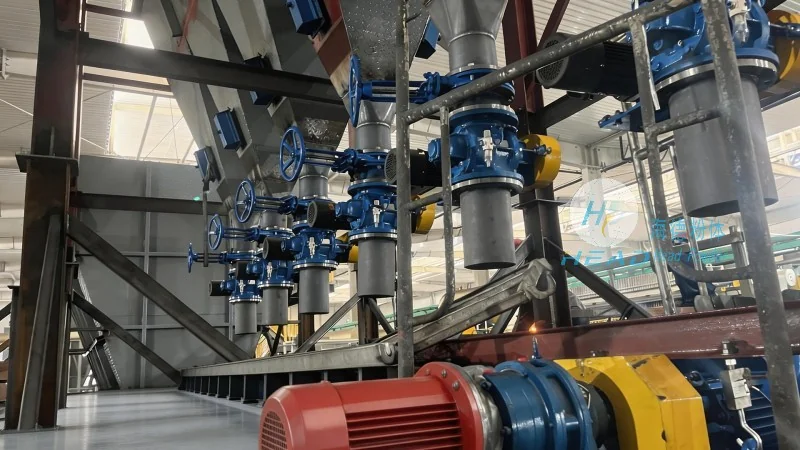
Applications and Industrial Use Cases
Pneumatic conveying equipment for anhydrous aluminum chloride powder is widely used in various industrial sectors. In the chemical industry, it is employed in the production and processing of aluminum chloride, where the material needs to be transferred between reactors, storage tanks, and packaging units. The system's ability to handle large quantities of powder efficiently supports continuous production processes. In the metallurgical industry, anhydrous aluminum chloride is used as a catalyst or reagent in aluminum production, and pneumatic conveying ensures that the material is delivered to the reaction sites without loss or degradation. Additionally, in the water treatment sector, aluminum chloride is used as a coagulant, and the conveying system facilitates its distribution to treatment plants. The versatility of the system makes it applicable across multiple stages of industrial operations, from raw material handling to final product distribution.
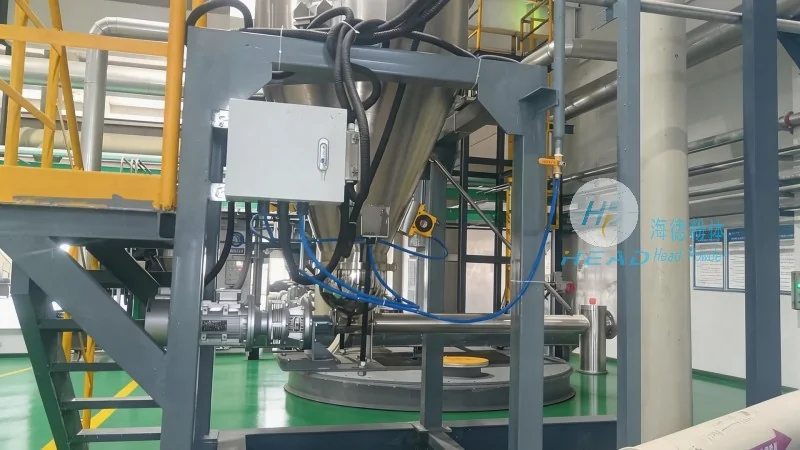
Advantages of Using Pneumatic Conveying for Anhydrous Aluminum Chloride
There are several advantages to implementing pneumatic conveying systems for anhydrous aluminum chloride powder. One significant benefit is the reduction in labor costs associated with manual handling of bulk materials. The automated nature of the system minimizes the need for human intervention, enhancing operational efficiency and safety. Another advantage is the improved material quality control. By maintaining a consistent air-particle ratio and temperature, the system prevents the material from clumping or losing its chemical properties, which is critical for downstream processes. Furthermore, the enclosed design of the conveying line reduces dust exposure for workers, contributing to a safer working environment. The system's compact footprint also allows for installation in limited spaces, which is beneficial for existing industrial facilities. Overall, the combination of efficiency, safety, and material integrity makes pneumatic conveying an ideal choice for handling anhydrous aluminum chloride powder in industrial settings.
Conclusion
In conclusion, pneumatic conveying equipment for anhydrous aluminum chloride powder is a reliable and efficient solution for material transport in industrial applications. The principles of fluidization and controlled air flow enable the safe and effective movement of this hygroscopic chemical compound. The working scene characteristics, including scalability, enclosed design, and material integrity preservation, make it suitable for various industrial environments. As a result, companies like Shandong HeadPowder Engineering Co., Ltd., based in China, specialize in designing and manufacturing such systems to meet the diverse needs of the chemical and metallurgical industries. The adoption of pneumatic conveying technology not only enhances operational efficiency but also ensures compliance with safety and environmental regulations, making it a preferred choice for handling anhydrous aluminum chloride powder.