

Principle and Working Scene Characteristics of Stearic Acid Sodium Powder Pneumatic Conveying Machin
Stearic acid sodium, a widely used chemical additive in various industries, often requires efficient and reliable handling methods for its powder form. The stearic acid sodium powder pneumatic conveying machine, developed by Shandong HeadPowder Engineering Co., Ltd., based in China, offers a sophisticated solution to transport this material safely and effectively. This article explores the fundamental principles behind such systems and highlights the key characteristics of their operational scenarios.
Principle of Pneumatic Conveying for Stearic Acid Sodium
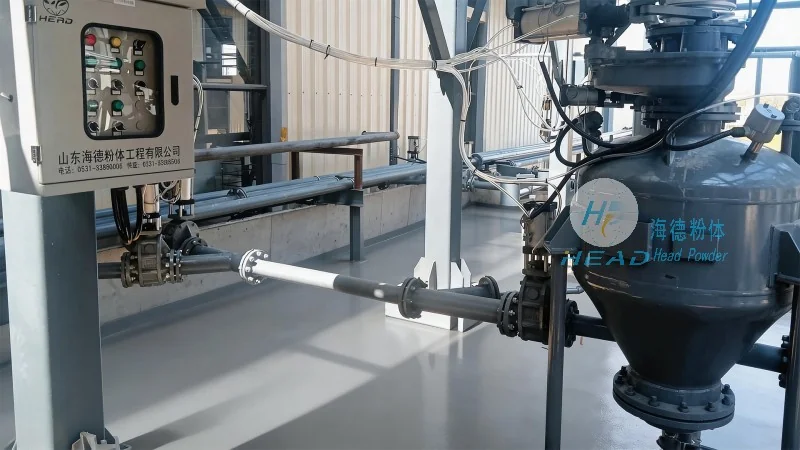
The core mechanism of a pneumatic conveying system involves the use of air or gas to transport bulk materials like stearic acid sodium powder through a pipeline. The process typically operates under either pressure (positive pressure) or vacuum (negative pressure) conditions. In a positive pressure system, compressed air is introduced at the material inlet, creating a flow that propels the powder particles forward. Conversely, a vacuum system draws the material into the pipeline using a suction mechanism. For stearic acid sodium, which is a fine powder with specific flow properties, the design of the conveying machine must account for factors such as particle size, moisture content, and bulk density to ensure optimal performance. The machine's components, including the hopper, feeder, and pipeline, are engineered to minimize material degradation and maintain consistent flow rates.
Key Components and Their Functions
Understanding the working principles of the stearic acid sodium powder pneumatic conveying machine requires an examination of its critical components. The hopper serves as the storage and feeding unit, where the powder is held before being introduced into the conveying line. A rotary valve or star feeder is commonly used to control the flow rate, preventing overloading and ensuring a steady supply to the pipeline. The pipeline itself is typically made of corrosion-resistant materials, such as stainless steel, to accommodate the chemical properties of stearic acid sodium and prevent contamination. The conveying air is often filtered and dried to maintain material quality and prevent clogging. At the discharge end, a receiver or silo collects the material, and a dust collection system may be integrated to manage any airborne particles, ensuring compliance with environmental regulations.
Working Scene Characteristics: Applications and Operational Environments
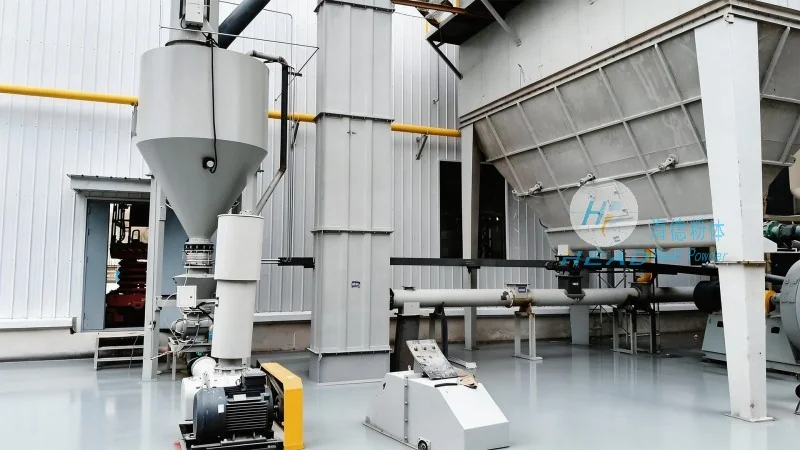
The operational characteristics of the stearic acid sodium powder pneumatic conveying machine are closely tied to the specific applications and environments where it is deployed. In industrial settings, such as chemical manufacturing plants or food processing facilities, the machine is used to transfer stearic acid sodium between processing units, storage silos, or packaging lines. The ability to handle fine powders without segregation or agglomeration is crucial in these scenarios, as it directly impacts product quality and process efficiency. For example, in the food industry, where stearic acid sodium is used as a lubricant or anti-caking agent, the conveying system must maintain hygiene standards and prevent cross-contamination. In contrast, in the chemical industry, the system may need to handle higher temperatures or more aggressive materials, requiring additional safety features like explosion-proof designs.
Advantages and Practical Considerations
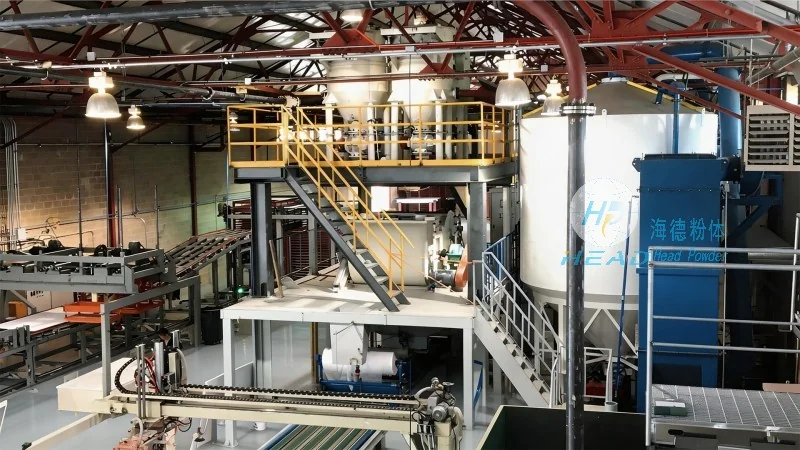
Implementing a stearic acid sodium powder pneumatic conveying machine offers several advantages over traditional methods like bucket elevators or belt conveyors. The primary benefits include reduced labor costs, as the system operates automatically, and improved safety, as it eliminates the need for manual handling of powders. Additionally, pneumatic conveying systems are more flexible, allowing for changes in material flow direction or destination without significant modifications. However, practical considerations must be addressed, such as the initial investment cost and the need for regular maintenance to ensure consistent performance. The system's efficiency also depends on proper air pressure control and the condition of the pipeline, which may require periodic cleaning to prevent blockages.
Conclusion
Shandong HeadPowder Engineering Co., Ltd. has developed a stearic acid sodium powder pneumatic conveying machine that effectively addresses the challenges of handling fine powders in various industrial applications. By leveraging the principles of pneumatic conveying and incorporating advanced components, the system ensures reliable and efficient transport of stearic acid sodium. The operational characteristics and applications of this machine make it a valuable asset for industries requiring precise and safe material handling, contributing to enhanced productivity and compliance with industry standards.