

Principle and Working Scene Characteristics of Polyethylene Powder Pneumatic Conveying Equipment
HeadPowder, a leading manufacturer in the field of powder handling equipment, specializes in the design, production, and supply of advanced pneumatic conveying systems. Based in Shandong, China, the company has established itself as a trusted partner for industries requiring efficient and reliable powder transport solutions. This article delves into the fundamental principles of polyethylene powder pneumatic conveying machines and explores the key working scene characteristics that make them indispensable in various industrial applications.
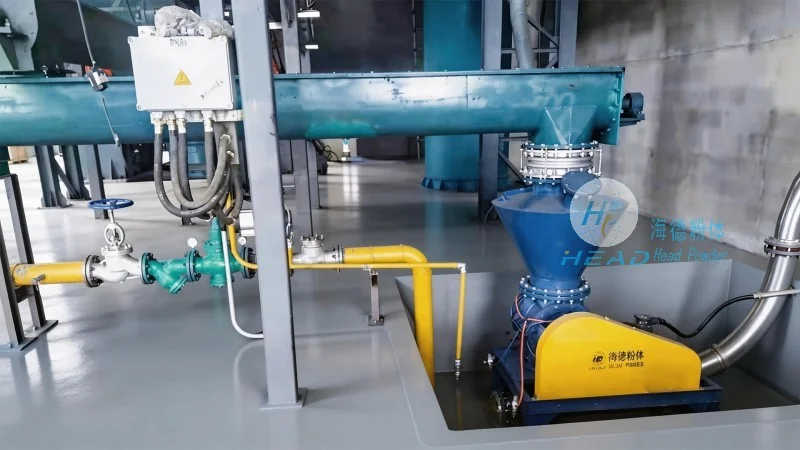
Understanding the Core Principle of Polyethylene Powder Pneumatic Conveying
The fundamental principle of polyethylene powder pneumatic conveying systems revolves around the use of air or gas to transport particulate materials like polyethylene powder through a pipeline. Unlike traditional mechanical conveying methods, which rely on physical contact and moving parts, pneumatic conveying utilizes pressure differentials to move the material. The process typically involves a hopper where the polyethylene powder is stored, a blower or compressor that generates the necessary airflow, and a pipeline network that directs the material to its destination. The air flow creates a low-pressure zone in the pipeline, which draws the powder particles into the stream, allowing them to be transported over long distances with minimal loss and high efficiency. This method is particularly effective for polyethylene powder due to its fine particle size and low density, which can be easily suspended in the air stream. The principle also emphasizes the importance of maintaining consistent air pressure and flow rates to ensure smooth and continuous operation, minimizing the risk of blockages or material degradation.
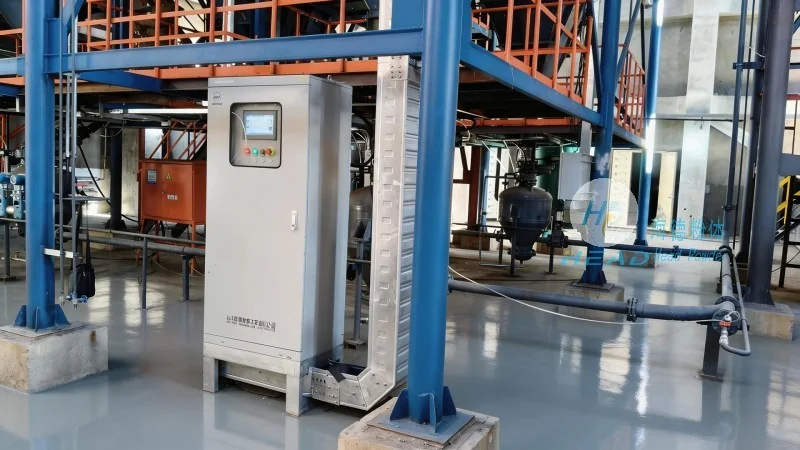
Key Working Scene Characteristics of Polyethylene Powder Pneumatic Conveying Machines
When evaluating the working scene characteristics of polyethylene powder pneumatic conveying machines, several critical factors come into play, directly impacting their performance and suitability for specific industrial environments. First, the system's ability to handle varying particle sizes and moisture content is a key characteristic. Polyethylene powder often has a wide range of particle diameters, from fine powders to larger granules, and may contain moisture that can affect flowability. The design of the conveying system, including the hopper's material and the blower's capacity, must be optimized to accommodate these variations, ensuring consistent and reliable transport. Second, the system's efficiency in terms of energy consumption and material throughput is a significant working scene characteristic. Advanced pneumatic conveying systems are engineered to minimize energy waste while maximizing the amount of polyethylene powder transported per unit of energy. This is achieved through the use of high-efficiency blowers, optimized pipeline designs, and proper air-to-material ratios. Third, the system's adaptability to different operating conditions, such as temperature and pressure variations, is another crucial characteristic. Polyethylene powder may be stored or processed in environments with varying temperatures, and the conveying system must be able to maintain its performance under these conditions without compromising the material's quality. Additionally, the system's ability to handle different conveying distances and layouts is important, as industrial facilities often have complex layouts requiring flexible pipeline configurations. The working scene characteristics also include the system's maintenance requirements and durability, as continuous operation in industrial settings demands equipment that can withstand regular use and potential wear and tear. Overall, these characteristics highlight the importance of selecting a well-designed polyethylene powder pneumatic conveying machine that is tailored to the specific needs of the application, ensuring optimal performance and longevity.
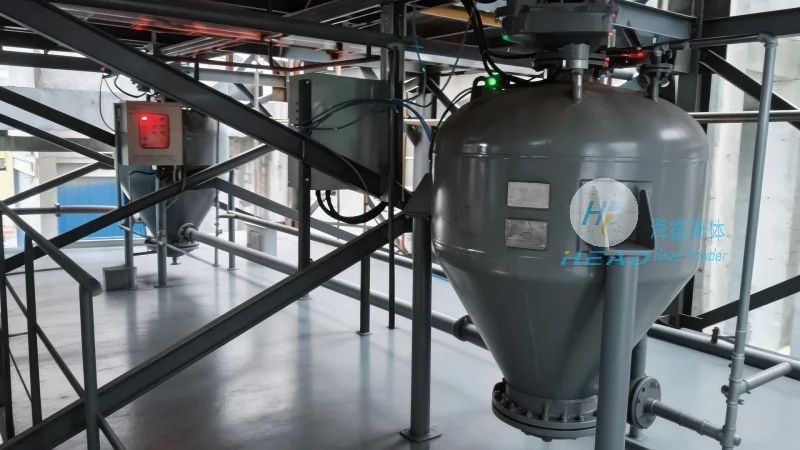
Applications and Industries Benefiting from Polyethylene Powder Pneumatic Conveying
Polyethylene powder pneumatic conveying machines find extensive applications across various industries, where efficient and hygienic powder transport is essential. In the plastics manufacturing industry, these systems are widely used for transporting polyethylene powder from storage silos to processing equipment, such as extruders and mixers. The ability to handle large volumes of polyethylene powder with minimal dust generation and contamination makes them ideal for maintaining product quality and meeting stringent industry standards. The food and pharmaceutical industries also benefit from these systems, as they provide a clean and hygienic method for transporting polyethylene powder, which is often used as an ingredient or packaging material. The chemical industry, particularly in the production of polyethylene-based compounds, relies on pneumatic conveying systems to transport raw materials and finished products efficiently. Additionally, the agricultural and construction industries may use polyethylene powder for various applications, such as coating or reinforcement, and pneumatic conveying machines help in transporting these materials to different locations within the facility. The working scene characteristics of these systems, including their ability to handle fine powders and maintain low contamination levels, make them suitable for industries where product purity and consistency are paramount. By understanding the specific requirements of each industry, manufacturers can design and implement polyethylene powder pneumatic conveying systems that enhance operational efficiency and product quality.