

Principles and Application Scenarios of Pneumatic Conveying for Concrete Materials
HeadPowder, a leading provider in the field of material handling solutions, specializes in advanced pneumatic conveying systems designed specifically for the efficient and reliable transport of concrete materials. This article explores the fundamental principles behind pneumatic conveying technology and highlights key application scenarios where such systems excel in various industrial and construction environments.
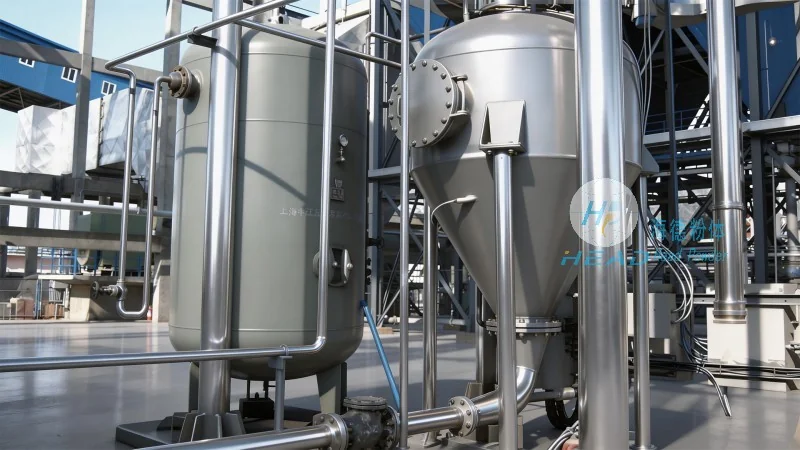
Core Principles of Pneumatic Conveying for Concrete Materials
Pneumatic conveying, also known as pneumatic transport, is a method of moving bulk materials through a pipeline using a stream of pressurized or vacuum air. In the context of concrete materials, which typically include cement, aggregates, and other additives, this technology offers a non-contact, dust-free, and highly efficient means of material transfer. The process relies on the creation of a gas-solid flow within the conveying pipeline. For concrete applications, systems often operate under positive pressure, where air is forced through the pipeline to carry the material particles. Alternatively, negative pressure (or vacuum) systems can be employed, especially for applications requiring material retrieval from a source or for long-distance transport where suction is more practical. The key components of a typical pneumatic conveying system include a hopper or feeder to introduce the material, a conveyor line (pipeline), a fan or blower to generate the air flow, and a discharge point where the material is released. The design of the system, including pipeline diameter, air velocity, and pressure differentials, is critical to ensure optimal performance and minimize material degradation or blockages.
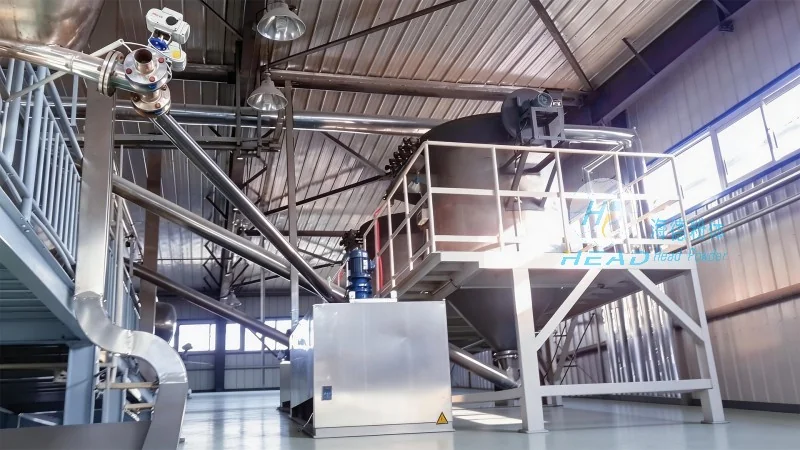
Key Application Scenarios and Operational Advantages
The versatility of pneumatic conveying systems makes them suitable for a wide range of concrete material handling tasks. In concrete production facilities, these systems are commonly used to transport raw materials such as cement, sand, and gravel from storage silos or bulk containers to mixing stations. This eliminates the need for manual handling or traditional belt conveyors, reducing labor costs and improving safety. The ability to handle fine powders like cement without generating dust is particularly advantageous in modern manufacturing environments, where air quality regulations are stringent. Furthermore, in construction sites, pneumatic conveying can be utilized to transport freshly mixed concrete or dry concrete mixes to remote locations, such as upper floors of a building or hard-to-reach areas. This method offers significant advantages over traditional truck or pump delivery, as it allows for precise control over the material flow and reduces the risk of spillage or contamination. Another notable application scenario is the integration of pneumatic conveying with automated batching systems, where materials are conveyed directly into the mixer in a controlled manner, enhancing the consistency and quality of the final concrete product.
Technical Advantages and System Flexibility
When considering the implementation of pneumatic conveying for concrete materials, several technical advantages stand out. Firstly, the system's ability to handle a wide variety of particle sizes and moisture content makes it adaptable to different types of concrete mixes. This flexibility is crucial in industries where material specifications may vary based on project requirements. Secondly, the non-contact nature of the conveying process minimizes material degradation, ensuring that the quality of the concrete remains consistent throughout the transport process. Unlike mechanical conveyors, which can cause abrasion or compaction, pneumatic systems preserve the integrity of the material. Additionally, the compact design of pneumatic conveying systems allows for installation in confined spaces, making them ideal for retrofitting into existing concrete production or construction sites. The ability to integrate multiple conveying lines or to connect to existing infrastructure further enhances the system's flexibility and cost-effectiveness. In terms of operational efficiency, pneumatic conveying systems can achieve high throughput rates, often surpassing traditional methods in terms of speed and reliability. This is particularly beneficial in high-volume production environments where time and resource optimization are critical.
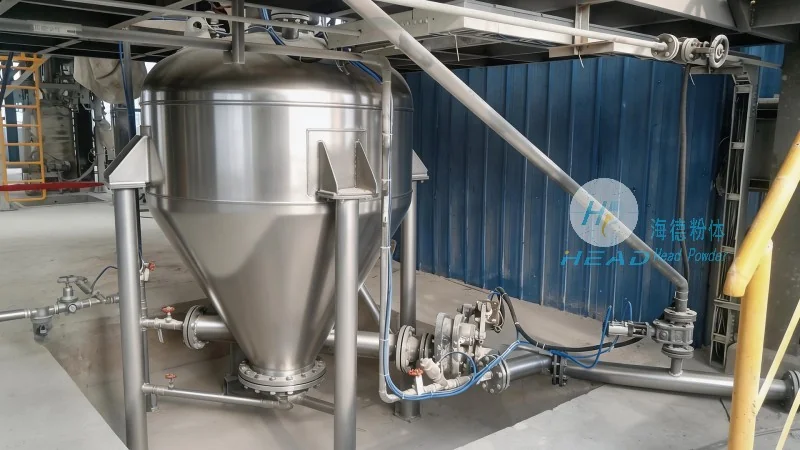
Conclusion and Company Overview
As a company dedicated to advancing material handling solutions, Shandong HeadPowder Engineering Co., Ltd. leverages its expertise in pneumatic conveying technology to provide tailored systems for concrete material transport. With a focus on innovation and customer-centric design, HeadPowder's systems are engineered to meet the specific needs of concrete manufacturers and construction firms. By combining advanced engineering principles with practical application knowledge, the company ensures that its pneumatic conveying solutions not only enhance operational efficiency but also contribute to a safer and more sustainable working environment. Whether for industrial production or on-site construction, the principles and application scenarios of pneumatic conveying for concrete materials continue to offer significant benefits, solidifying its role as a preferred method in modern material handling.