

Principles and Working Scene Characteristics of Pneumatic Conveying for Limestone Powder Particulate
HeadPowder, a leading engineering company based in Shandong, China, specializes in advanced pneumatic conveying solutions tailored for limestone powder and other particulate materials. This article explores the fundamental principles of pneumatic conveying systems and highlights key working scene characteristics that define their effective application in industrial settings.
Understanding Pneumatic Conveying Principles
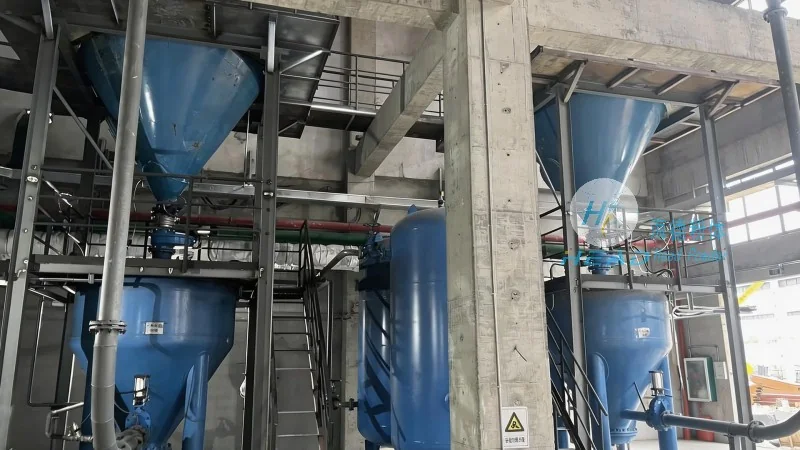
Pneumatic conveying is a method of transporting bulk materials, such as limestone powder, through a pipeline using a stream of pressurized or vacuum air. The core principle involves creating a flow of air that lifts and propels the particulate material from the source to the destination. There are two primary types of pneumatic conveying systems: pressure and vacuum. Pressure systems use compressed air to push material through the pipeline, while vacuum systems employ a vacuum to draw material into the system. The choice between these systems depends on factors like material properties, distance, and system complexity. For limestone powder, which is typically fine and can be abrasive, a well-designed pressure system often offers superior performance, minimizing material degradation and ensuring consistent flow rates.
Key Working Scene Characteristics
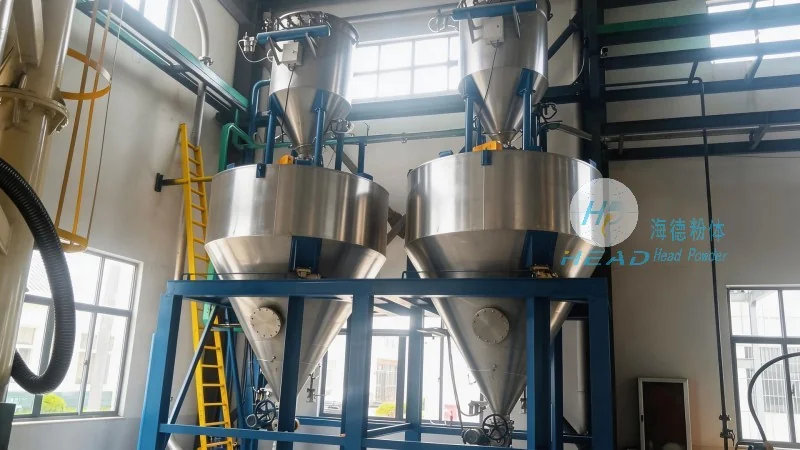
The effectiveness of pneumatic conveying for limestone powder is heavily influenced by several working scene characteristics. First, the particle size and density of the limestone powder are critical. Fine particles, as is common in limestone processing, require higher air velocities to maintain suspension and prevent clogging. The system must be engineered to handle these specific particle characteristics, ensuring that the air flow is sufficient to keep the powder in a fluidized state. Second, the distance and layout of the conveying line play a significant role. Longer distances may necessitate multiple booster stations to maintain pressure and prevent material settling. The layout must also consider potential obstacles, such as bends or vertical sections, which can impact the system's efficiency. Third, the operating environment, including ambient temperature and humidity, affects the performance of the conveying system. For example, in high-temperature applications, the system may need additional cooling measures to prevent material degradation or equipment overheating. Fourth, the integration with other processing equipment is essential. Pneumatic conveying systems often connect to grinding mills, storage silos, or packaging units, requiring seamless coordination to maintain a continuous material flow. The working scene characteristics, therefore, dictate the design and configuration of the pneumatic conveying system to ensure optimal performance and reliability.
Application Examples in Industrial Settings
HeadPowder's pneumatic conveying solutions for limestone powder are widely applied in various industrial sectors. In cement production, limestone powder is a primary raw material, and efficient conveying is crucial for maintaining production rates. The systems are integrated into the raw material handling process, transporting limestone from storage silos to grinding mills. In mining operations, limestone is often extracted from quarries and transported to processing facilities via pneumatic conveying systems, reducing the need for trucks and minimizing environmental impact. Additionally, in chemical and pharmaceutical industries, limestone powder is used as a filler or raw material, and the conveying systems must meet stringent quality and cleanliness standards. HeadPowder's expertise in customizing pneumatic conveying systems ensures that these applications are optimized for specific working scene requirements, providing reliable and efficient material transport solutions.
Advantages of Pneumatic Conveying for Limestone Powder
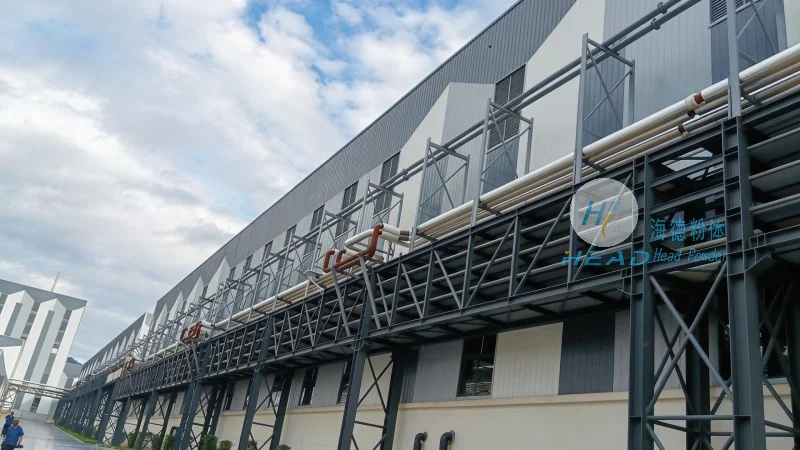
Compared to traditional mechanical conveying methods, pneumatic conveying offers several advantages for limestone powder. One of the most significant benefits is the ability to handle fine and abrasive materials without causing excessive wear on equipment. The air flow minimizes material degradation, preserving the quality of the limestone powder. Additionally, pneumatic systems can transport materials over long distances with minimal loss, making them ideal for large-scale industrial operations. The flexibility of pneumatic conveying also allows for easy integration with other processing equipment, enabling automated material handling. Furthermore, the systems are relatively compact and can be installed in confined spaces, which is advantageous in modern industrial facilities where space is limited. These advantages make pneumatic conveying a preferred choice for limestone powder applications, especially when efficiency, material quality, and system flexibility are critical.