

Principle and Working Scene Characteristics of Pneumatic Conveying for Calcined Lime Materials
Pneumatic conveying is a widely used method for transporting bulk materials, including calcined lime, through the use of air or gas as the conveying medium. This technology offers several advantages over traditional methods like belt conveyors or bucket elevators, such as reduced equipment complexity, lower installation costs, and the ability to handle materials in a dust-free environment. Understanding the principle and specific characteristics of pneumatic conveying for calcined lime is crucial for optimizing material handling processes in various industrial applications.
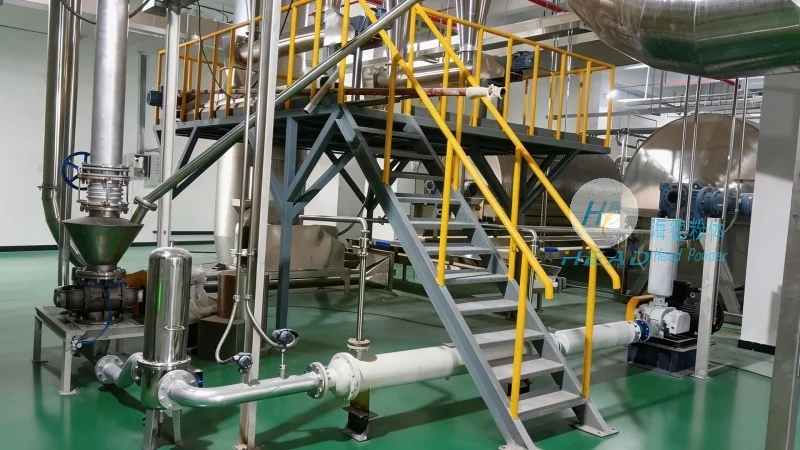
The Core Principle of Pneumatic Conveying for Calcined Lime
The core principle of pneumatic conveying for calcined lime involves the creation of a pressure differential between the conveying line and the ambient environment. This is typically achieved by using a blower or fan to generate airflow within the pipeline. The calcined lime particles are then introduced into the conveying line, either by being fed into the line directly or by being drawn into it through a venturi or other feeding mechanism. The air flow carries the particles along the pipeline, transporting them from the source to the destination. The design of the conveying system, including the type of blower, pipeline diameter, and feeding method, is critical to ensuring efficient and reliable transport of calcined lime. Factors such as the particle size distribution, moisture content, and reactivity of the calcined lime must be considered to select the appropriate conveying system and operating parameters.
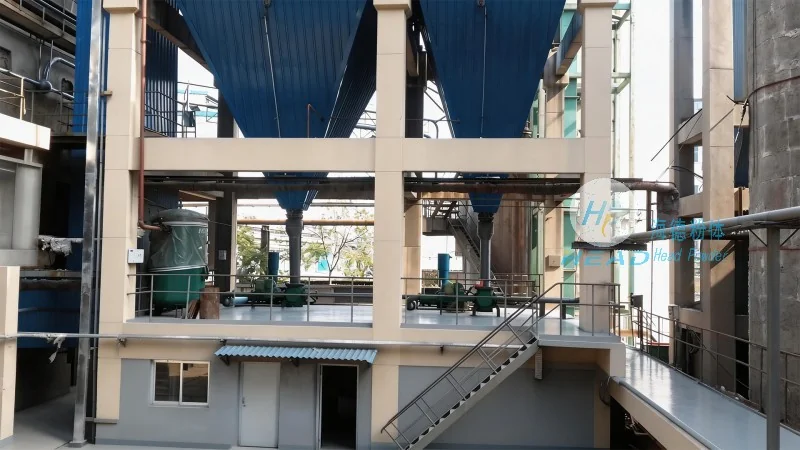
Working Scene Characteristics and Application Scenarios
The working scene characteristics of pneumatic conveying for calcined lime vary significantly based on the industrial application. In cement production facilities, calcined lime is a key raw material that needs to be transported from storage silos to the mixing and grinding units. Here, the pneumatic conveying system must handle large volumes of material at high speeds while maintaining consistent flow rates to support continuous production. The system design often includes multiple pipelines and feeding points to ensure smooth material transfer and minimize bottlenecks. Another common application is in chemical processing plants, where calcined lime is used as a reagent or filler in various processes, such as pH adjustment or as a component in the production of other chemicals. In these scenarios, the conveying system must be capable of handling materials with varying particle sizes and moisture content, and it may need to integrate with other process equipment to ensure seamless material flow.
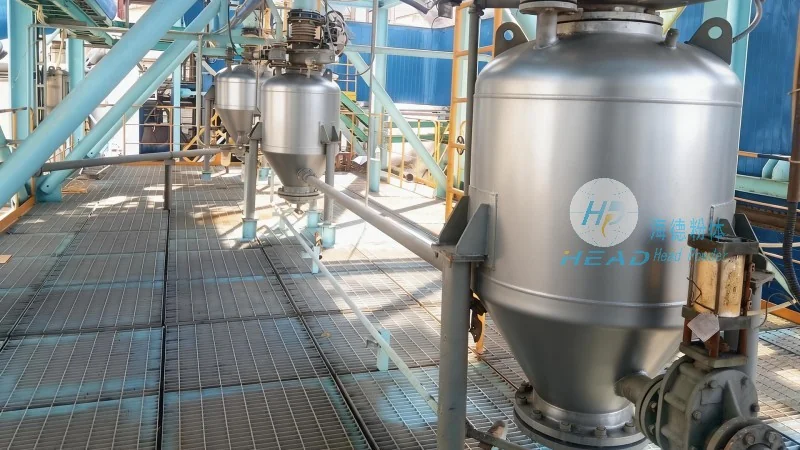
HeadPowder Engineering's Expertise in Calcined Lime Pneumatic Conveying
Shandong HeadPowder Engineering Co., Ltd. is a leading provider of specialized material handling solutions, with a strong focus on pneumatic conveying systems for calcined lime applications. The company has extensive experience in the industry and a deep understanding of the unique challenges associated with handling calcined lime, including its high reactivity and potential for dust generation. HeadPowder's engineering team works closely with clients to assess their specific operational needs, process requirements, and material characteristics. By leveraging advanced design software and years of practical experience, the company develops customized pneumatic conveying systems that optimize material flow, reduce downtime, and enhance overall operational efficiency. The solutions offered by HeadPowder are tailored to meet the demands of various industries, including cement, chemical, and food processing, ensuring that clients receive systems that are both effective and reliable.
Key Features and Advantages of HeadPowder's Pneumatic Conveying Systems
HeadPowder's pneumatic conveying systems for calcined lime are designed with several key features that address the specific needs of calcined lime handling. These include high-capacity blowers capable of maintaining consistent airflow, robust pipeline systems that can withstand the abrasive nature of calcined lime particles, and advanced feeding mechanisms that minimize material degradation and dust generation. The systems are also equipped with monitoring and control devices that allow operators to adjust parameters in real-time, ensuring optimal performance and preventing system failures. Additionally, HeadPowder's solutions are built with durability and low maintenance in mind, reducing long-term operational costs for clients. By combining these features, the company's pneumatic conveying systems provide a reliable and efficient means of transporting calcined lime, supporting the smooth operation of industrial processes.
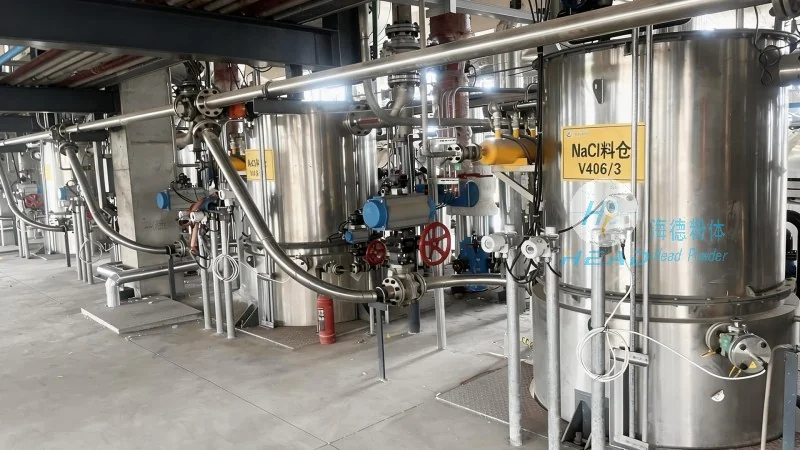
Conclusion: Optimizing Calcined Lime Handling with Pneumatic Conveying
In conclusion, pneumatic conveying is a highly effective method for transporting calcined lime, offering numerous advantages over traditional material handling methods. The principle of creating a pressure differential and using air flow to move particles is fundamental to the technology, and the design of the system must be tailored to the specific characteristics of calcined lime and the application requirements. HeadPowder Engineering, with its expertise and customized solutions, plays a crucial role in helping industrial clients optimize their calcined lime handling processes. By selecting and implementing a well-designed pneumatic conveying system, companies can improve efficiency, reduce costs, and enhance the safety and reliability of their material handling operations.