

Principle and Working Scene Characteristics of Cement Auxiliary Material Pneumatic Conveying Systems
Pneumatic conveying systems are critical in the cement industry for efficiently transporting auxiliary materials such as limestone, gypsum, and fly ash. These systems utilize air pressure to move bulk materials from one location to another, offering a flexible and reliable solution for material handling. The core principle involves creating a pressure differential that propels the material through a pipeline using compressed air or vacuum. This method not only enhances operational efficiency but also reduces the risk of dust contamination and material degradation compared to traditional methods like belt conveyors or bucket elevators.
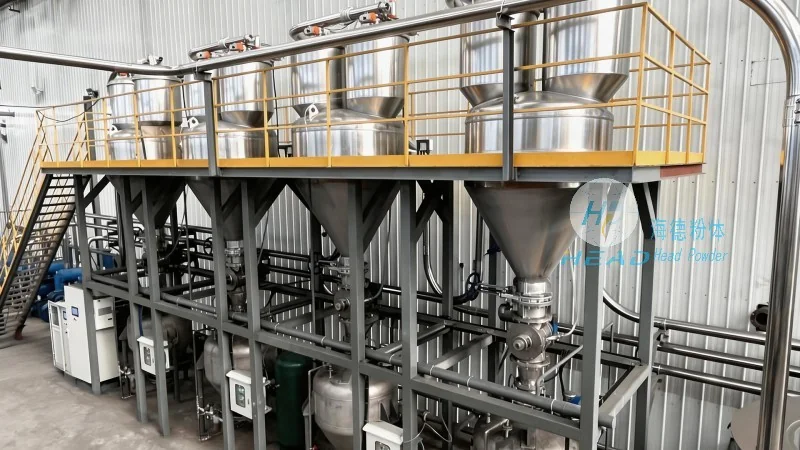
Key Working Principles of Pneumatic Conveying
The fundamental operation of a pneumatic conveying system for cement auxiliary materials relies on the interaction between air flow and solid particles. There are primarily two types of pneumatic conveying: pressure and vacuum. In pressure systems, a positive pressure is maintained in the pipeline, pushing the material from a source (like a silo or hopper) to the destination. Vacuum systems, conversely, create a negative pressure to draw material from the source to the receiver. The choice between these systems depends on factors such as the distance, material characteristics, and system layout. For cement applications, pressure systems are often preferred due to their ability to handle longer distances and larger volumes with consistent performance.
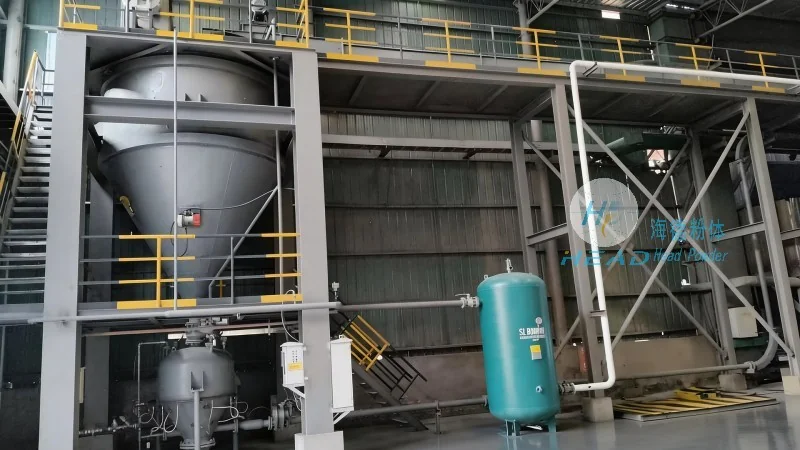
Working Scene Characteristics and Applications
The working scene characteristics of pneumatic conveying systems for cement auxiliary materials vary based on the specific industry needs and operational environment. These systems are commonly used in cement production plants, where they facilitate the transport of raw materials from storage silos to grinding mills. The flexibility of pneumatic conveyors allows them to navigate complex layouts, including vertical and horizontal movements, without the need for multiple transfer points. This adaptability is particularly valuable in modern cement plants that require streamlined material flow to maintain high production rates. Additionally, the systems can be integrated with other process equipment, such as mixers and classifiers, to form a cohesive material handling network. The working scene also includes considerations for material properties, such as particle size, moisture content, and abrasiveness, which influence the selection of system components like airlocks, cyclones, and filters. Proper design and maintenance are essential to ensure consistent performance and minimize downtime in these critical applications.
Advantages and Considerations in Cement Auxiliary Material Handling
When evaluating pneumatic conveying systems for cement auxiliary materials, several advantages and considerations come into play. One of the primary benefits is the ability to handle a wide range of material types and sizes, from fine powders to coarse granules. This versatility makes pneumatic systems suitable for transporting limestone, gypsum, and other additives used in cement production. Another key advantage is the reduction in labor costs and space requirements compared to traditional bulk handling methods. The enclosed pipeline design also helps in controlling dust emissions, which is crucial for maintaining a safe and clean working environment in industrial settings. However, there are also considerations related to energy consumption, as pneumatic systems require significant air pressure or vacuum to operate. Proper system sizing and maintenance are necessary to optimize energy efficiency and prevent excessive wear on components. Furthermore, the system's reliability depends on regular monitoring of air pressure, flow rates, and material feed rates to ensure smooth operation. In the context of cement plants, where continuous production is vital, the robustness and uptime of the pneumatic conveying system directly impact overall plant efficiency.
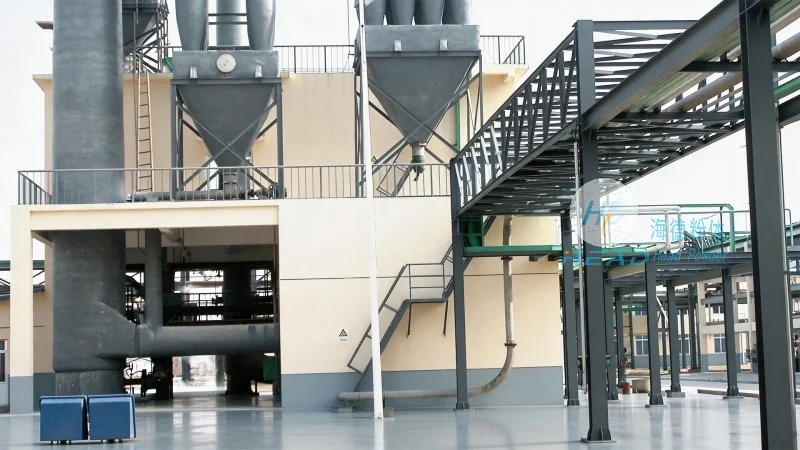
HeadPowder Engineering's Expertise in Pneumatic Conveying Solutions
Shandong HeadPowder Engineering Co., Ltd., a leading provider of material handling solutions, specializes in designing and manufacturing pneumatic conveying systems tailored to the cement industry's unique requirements. With years of experience in the field, HeadPowder offers customized solutions that address the specific challenges of transporting auxiliary materials in cement production. The company's team of engineers leverages advanced technology and industry best practices to develop systems that meet stringent performance and safety standards. HeadPowder's products are designed to enhance operational efficiency, reduce maintenance costs, and improve overall plant productivity. The company's commitment to quality and customer satisfaction is reflected in its comprehensive after-sales support, including installation, training, and maintenance services. By partnering with HeadPowder, cement manufacturers can benefit from reliable and efficient material handling systems that contribute to their long-term success.