

Principle and Working Scene Characteristics of Air-Pneumatic Conveying Equipment for Aggregate Mater
HeadPowder, a leading manufacturer based in Shandong, China, specializes in the design and production of air-pneumatic conveying equipment tailored for aggregate materials. This equipment is engineered to efficiently transport bulk materials such as sand, gravel, and crushed stone through a pneumatic system, offering a reliable solution for various industrial applications. The core principle of this technology involves using compressed air to create a flow of material within a pipeline, enabling seamless movement from one location to another without the need for mechanical components like belts or buckets. With decades of experience in the field, HeadPowder has developed a range of equipment that meets the diverse needs of clients in the construction, mining, and concrete production industries.
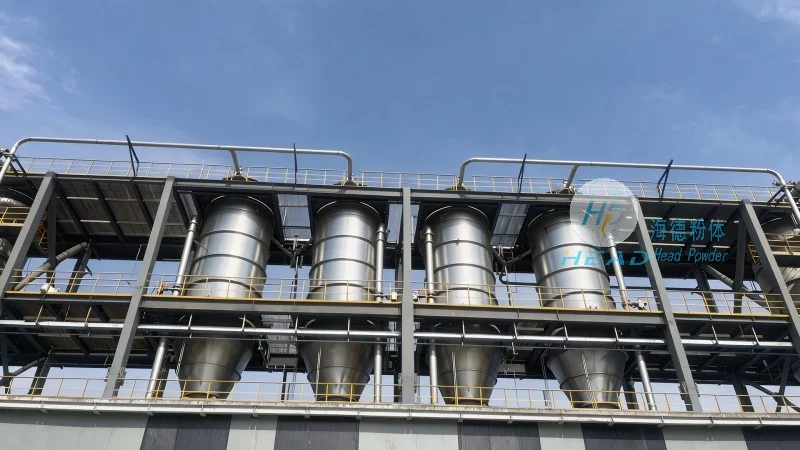
Principle of Air-Pneumatic Conveying
The fundamental principle of air-pneumatic conveying for aggregate materials revolves around the interaction between the material and the air stream. In a typical system, the aggregate is introduced into a hopper or feeder, where it is then drawn into a pipeline by a vacuum or pressure source. The compressed air, either in a positive pressure or negative pressure mode, propels the material forward. This method leverages the kinetic energy of the air to move the bulk material, ensuring consistent and controlled flow rates. The equipment is designed to handle different particle sizes and densities, making it versatile for various sand and stone processing operations. The system operates by creating a pressure differential that pulls or pushes the material through the pipeline, depending on the chosen mode. This dynamic process allows for efficient and continuous material transport, minimizing downtime and maximizing productivity.
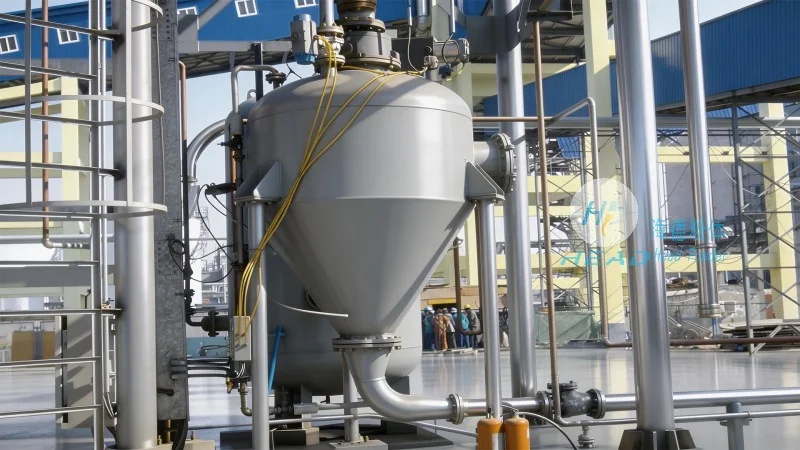
Working Scene Characteristics
The working scene characteristics of air-pneumatic conveying equipment for aggregate materials are tailored to meet the demands of modern construction and mining industries. These systems are commonly used in scenarios where material transport over long distances or across obstacles is required. For instance, in sand and gravel production plants, the equipment efficiently conveys raw materials from storage silos to processing units, reducing labor costs and enhancing operational efficiency. Additionally, in mining operations, the system can transport crushed stone from the extraction site to processing facilities, minimizing the need for heavy machinery and manual handling. The equipment is also suitable for applications in concrete mixing plants, where consistent material supply is crucial for maintaining production quality. The flexibility of the system allows for integration into existing infrastructure, enabling seamless upgrades or modifications as operational needs evolve. This adaptability makes it a preferred choice for industries that require scalable and efficient material handling solutions.
Advantages in Material Handling
When compared to traditional mechanical conveying methods, air-pneumatic conveying offers several advantages for handling aggregate materials. Firstly, it eliminates the need for moving parts, reducing maintenance requirements and extending the equipment's service life. This leads to lower operational costs and less downtime due to mechanical failures. Secondly, the system can handle a wide range of particle sizes and moisture content, making it adaptable to different material types. This versatility is particularly beneficial in industries where material characteristics vary, such as in mining or construction sites. Thirdly, the enclosed pipeline design prevents dust emissions, contributing to a cleaner working environment and compliance with environmental regulations. Dust control is a critical factor in many industrial settings, as it enhances worker safety and reduces the risk of respiratory issues. Furthermore, the flexibility of the system allows for easy integration into existing production lines, enabling seamless upgrades or modifications as operational needs evolve. This adaptability makes it a preferred choice for industries that require scalable and efficient material handling solutions.
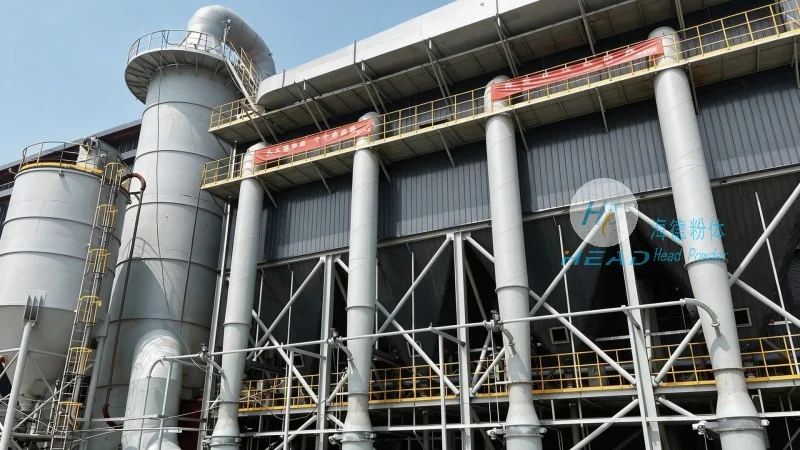
Application Examples
HeadPowder's air-pneumatic conveying equipment has been successfully implemented in numerous real-world applications across the construction and mining sectors. One notable example is in a large-scale sand processing plant in Shandong, where the equipment was used to transport 500 tons of sand per hour from storage bins to the washing and screening units. The system's high efficiency and low maintenance requirements resulted in a 20% reduction in operational costs compared to traditional belt conveyors. The plant operators reported that the air-pneumatic system provided consistent flow rates, even during peak production periods, ensuring that processing units received a steady supply of material. Another application was in a mining operation in the region, where the equipment efficiently conveyed crushed stone from the quarry to the processing plant over a distance of 2 kilometers, overcoming terrain challenges that would have been difficult to address with conventional methods. The system's ability to handle long-distance transport without intermediate storage points was a key factor in the project's success. Additionally, in a concrete mixing plant, the equipment was used to transport sand and gravel from the storage area to the batching units, improving the overall production flow and reducing the time required for material preparation.