

Principle and Working Scene Characteristics of Wheat Material Pneumatic Conveying Equipment
Wheat material pneumatic conveying equipment is a critical component in modern agricultural and food processing operations. This technology enables the efficient, clean, and flexible transport of wheat and other grain materials through an air-based system, addressing the unique handling challenges associated with bulk grain processing. Understanding the fundamental principles of these systems and their specific characteristics across different operational environments is essential for optimizing performance, ensuring reliability, and maintaining product quality.
Introduction to Wheat Material Pneumatic Conveying Systems
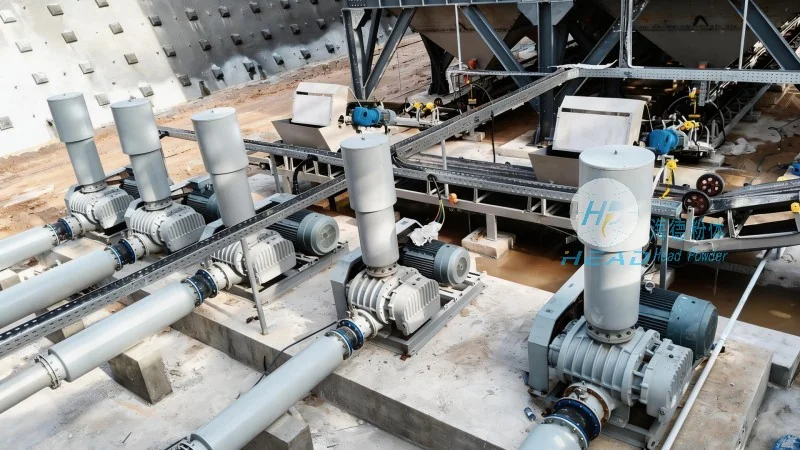
HeadPowder, a prominent manufacturer headquartered in Shandong, China, specializes in the design, development, and production of advanced pneumatic conveying solutions tailored for wheat and bulk material handling. With a focus on innovation and quality, the company has established a strong reputation in the agricultural machinery sector. The equipment offered by HeadPowder is engineered to meet the demanding requirements of wheat processing, delivering high throughput, minimal material loss, and adherence to industry standards.
The Working Principle of Pneumatic Conveying
Pneumatic conveying systems operate by utilizing air pressure or vacuum to move solid materials like wheat through a network of pipes. Two primary types exist: suction (vacuum) systems and pressure systems. Suction systems create a vacuum at the inlet to draw material into the system, while pressure systems use compressed air to push material through the pipeline. For wheat, suction systems are often preferred due to their ability to handle fine particles and reduce material degradation risks. The process typically involves a storage hopper or silo, a feeder that controls material flow, a conveying line with appropriate diameter and length, and a receiver or discharge point for material deposition.
Key Components and Their Roles
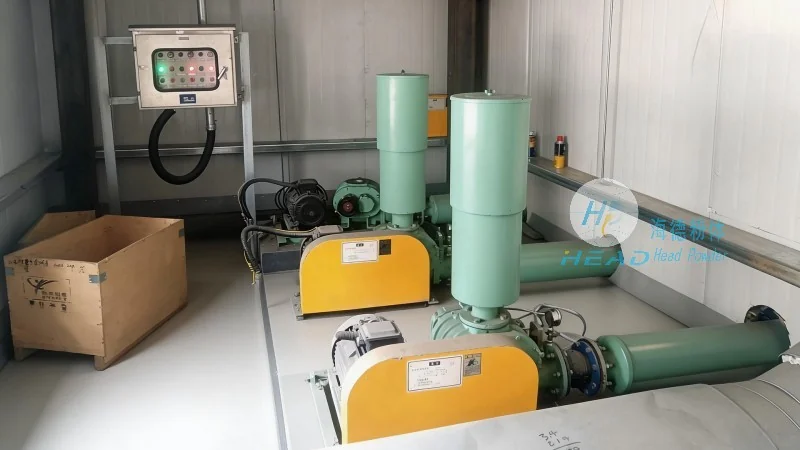
The effectiveness of a wheat material pneumatic conveying system relies on several critical components. The storage hopper or silo serves as the primary container for wheat, ensuring a consistent supply. The feeder, which can be a rotary valve, screw feeder, or vibratory type, regulates the material flow into the conveying line. The conveying line itself is constructed from durable materials such as stainless steel or PVC to withstand the abrasive nature of wheat and prevent contamination. The air compressor or vacuum pump provides the necessary pressure or vacuum to move the material. Filters and cyclones are used to separate wheat from the air, ensuring clean material delivery and filtered air release. These components work in tandem to create a seamless material transfer process.
Application-Specific Characteristics
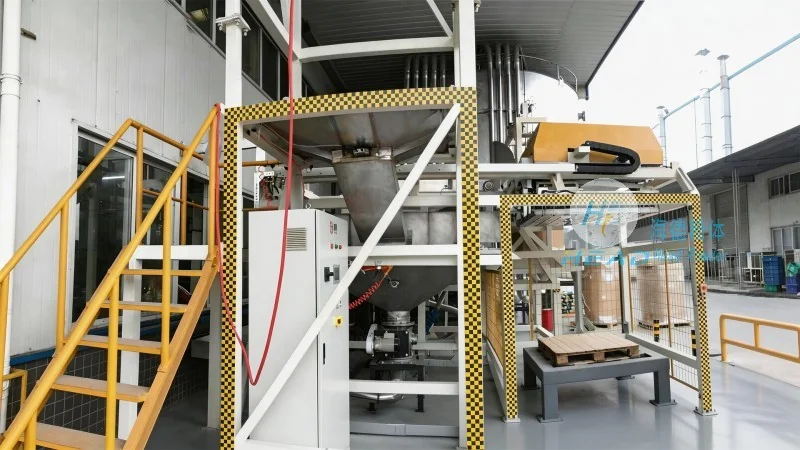
The characteristics of wheat material pneumatic conveying equipment vary based on the operational environment and application. In warehouse and storage facilities, these systems efficiently transfer wheat from storage bins to processing lines or silos, enhancing inventory management and reducing manual handling. During milling, pneumatic conveyors are vital for transporting raw wheat to grinding and sifting stages, maintaining continuous material flow and minimizing downtime. In agricultural settings, such as on-farm storage and distribution, the equipment moves wheat from field bins to trucks or storage facilities, facilitating timely transportation. The flexibility of pneumatic conveying makes it suitable for food processing plants, where hygiene and cleanliness are paramount. These systems can be integrated into existing production lines, adapting to different processing stages and ensuring seamless material transfer.
Advantages and Benefits
Compared to traditional mechanical conveying methods, wheat material pneumatic conveying offers significant advantages. It handles fine and delicate particles without damage, preserving product quality. The system is highly efficient, with minimal material loss and the ability to transport large volumes over long distances. It is also a clean and hygienic method, preventing material contact with external surfaces and reducing contamination risks. The flexibility allows easy integration into existing facilities and adjustment for changing production volumes. Additionally, the equipment has fewer moving parts than mechanical systems, leading to lower maintenance costs and increased reliability.
Conclusion
Wheat material pneumatic conveying equipment, exemplified by the solutions from Shandong HeadPowder Engineering Co., Ltd. based in China, represents a sophisticated and efficient approach to bulk material handling in the agricultural and food processing industries. By understanding the underlying principles and operational characteristics, users can optimize their operations, improve productivity, and ensure the quality of their wheat products. The combination of advanced engineering, robust design, and practical application makes pneumatic conveying an indispensable tool for modern wheat processing and distribution, supporting the needs of both agricultural and industrial sectors.