

Principle and Working Scene Characteristics of High-Calcium Material Pneumatic Conveying Equipment
High-calcium materials, such as limestone, calcite, and other calcium-rich powders, are widely used in industrial processes like cement production, chemical manufacturing, and environmental treatment. The efficient handling of these materials is crucial for maintaining production efficiency and reducing operational costs. Pneumatic conveying equipment offers a reliable solution for transporting high-calcium materials over short to medium distances, providing advantages like dust-free operation, low maintenance, and the ability to handle abrasive or sticky powders.
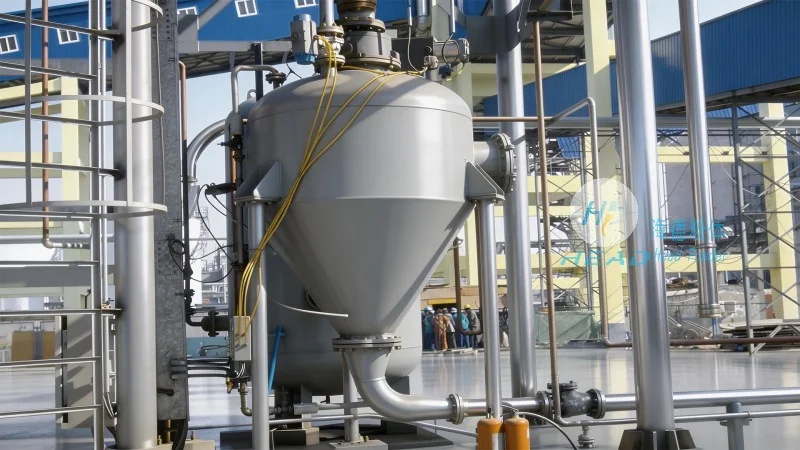
Principle of Pneumatic Conveying for High-Calcium Materials
The core principle of pneumatic conveying involves using compressed air or gas to transport bulk materials through a pipeline system. In the case of high-calcium materials, the equipment typically operates under positive pressure, where air is forced through the material to create a fluidized or suspended state. This allows the material to be moved from the source to the destination without the need for mechanical components like belts or buckets. The process can be categorized into two main types: dilute-phase and dense-phase conveying. Dilute-phase systems use higher air velocities to keep the material suspended, while dense-phase systems use lower velocities to create a plug flow, which is more suitable for handling fine powders that are prone to segregation or caking.
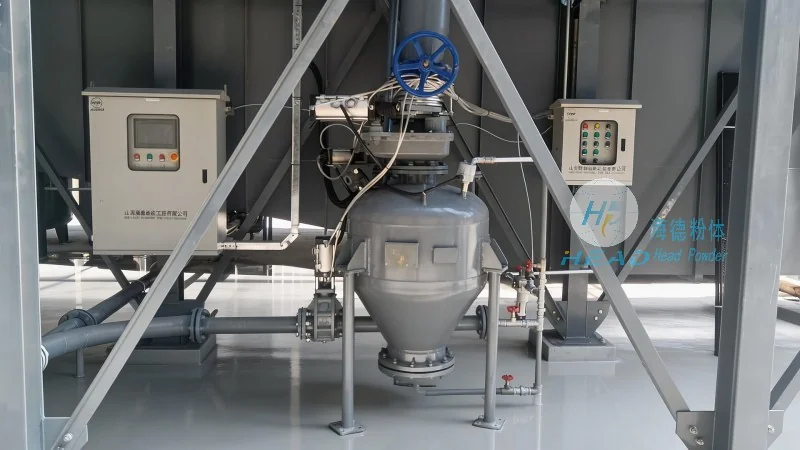
Working Scene Characteristics of High-Calcium Material Pneumatic Conveying Equipment
The working scene characteristics of high-calcium material pneumatic conveying equipment are tailored to the specific demands of industrial applications. For instance, in cement plants, the equipment is often used to transport limestone from storage silos to the raw mill or kiln. The system must be capable of handling large volumes of material with consistent flow rates to ensure smooth production. In chemical plants, the equipment may be used to convey calcium-based reagents to reactors, requiring precise control over material temperature and moisture content to prevent degradation. Environmental applications, such as dust collection and waste treatment, also utilize high-calcium material conveying systems to transport sludge or filter cakes to disposal or processing facilities.
Key Features and Advantages of High-Calcium Material Pneumatic Conveying Systems
High-calcium material pneumatic conveying systems from Shandong HeadPowder Engineering Co., Ltd. (headpowder) are designed with several key features that enhance performance and reliability. These systems are equipped with advanced control panels that allow for real-time monitoring of air pressure, flow rate, and material level, ensuring optimal operation. The equipment is constructed from corrosion-resistant materials, such as stainless steel or special alloys, to withstand the abrasive nature of high-calcium powders and prevent material buildup. Additionally, the systems are equipped with dust collection and filtration units to maintain a clean working environment and comply with environmental regulations. The use of positive pressure systems also eliminates the risk of material backflow or contamination, making them suitable for transporting materials that require strict hygiene standards.
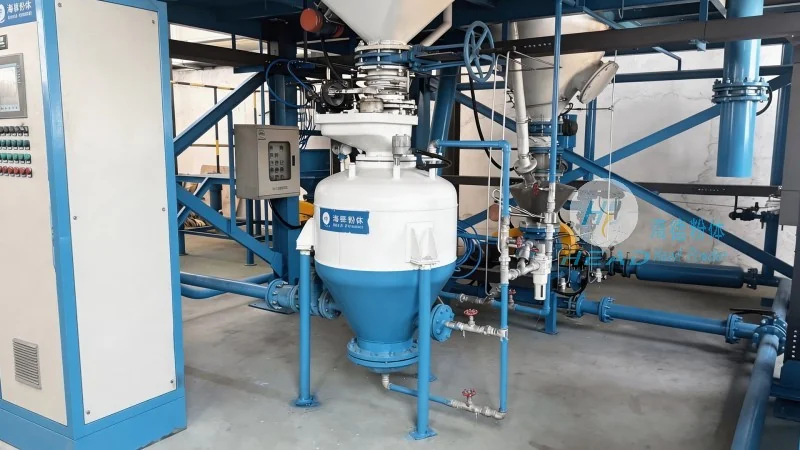
Application Examples and Performance Metrics
Real-world applications of high-calcium material pneumatic conveying equipment demonstrate its effectiveness in various industrial settings. For example, in a cement production facility, a headpowder system was installed to transport 100 tons of limestone per hour from a storage silo to the raw mill. The system achieved a conveying efficiency of 98% with minimal downtime, reducing material handling costs by 30% compared to traditional belt conveyors. In a chemical plant, the equipment was used to transport calcium carbonate reagents to a reactor, maintaining a consistent flow rate of 5 tons per hour while controlling the material temperature at 25°C to prevent caking. The system's ability to handle fine powders without segregation or loss of material quality was critical for maintaining product purity. Performance metrics such as conveying capacity, pressure drop, and energy consumption are carefully monitored to ensure the system operates within optimal parameters, providing long-term reliability and cost-effectiveness.