

Principle and Working Scene Characteristics of Cocoa Material Pneumatic Conveying Equipment
HeadPowder Engineering Co., Ltd., a leading manufacturer based in Shandong, China, specializes in the design and production of advanced pneumatic conveying systems tailored for cocoa processing industries. The equipment is engineered to efficiently handle cocoa powders and related materials, ensuring optimal performance in various production environments. This article delves into the fundamental principles behind these systems and highlights the key working scene characteristics that make them indispensable in modern cocoa processing operations.
The Core Principle of Pneumatic Conveying for Cocoa Materials
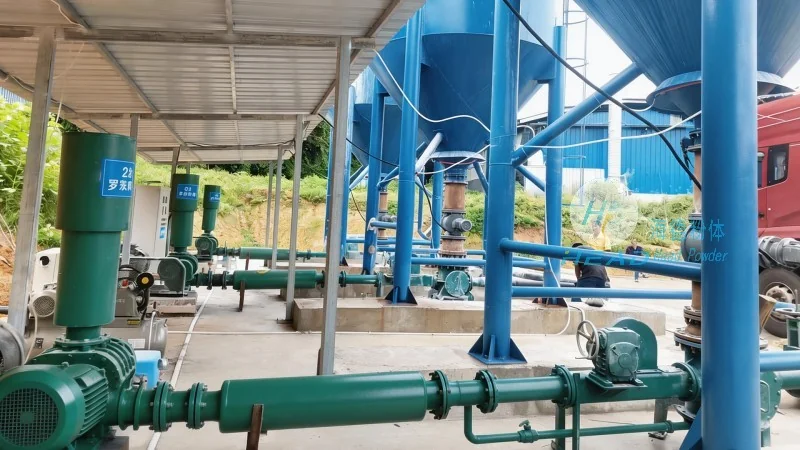
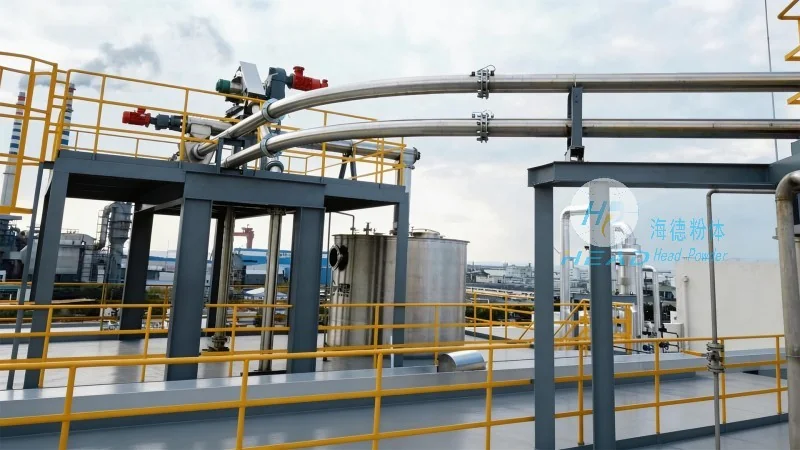
The primary principle of cocoa material pneumatic conveying involves the use of air as the medium to transport solid particles. Unlike traditional mechanical conveyors, this method eliminates the need for moving parts in contact with the material, reducing wear and maintenance costs. The system typically operates by creating a pressure differential—either through suction (negative pressure) or pressure (positive pressure)—to draw or push the cocoa particles through a pipeline. The air velocity is carefully controlled to ensure that the particles remain suspended and transported without clogging or degradation. Key components include the hopper, which holds the cocoa material, the air mover (such as a rotary lobe blower or centrifugal fan), and the pipeline network that directs the material to its destination. The design of the hopper and air inlet is critical to prevent material bridging and ensure consistent airflow. The air mover's capacity is matched to the material's bulk density and flow rate, guaranteeing efficient transport. The pipeline system is often equipped with filters and cyclones to separate the air from the cocoa particles, allowing for recycling of the air and recovery of the material. This closed-loop system enhances energy efficiency and reduces environmental impact by minimizing dust emissions.
Working Scene Characteristics of Cocoa Pneumatic Conveying Systems
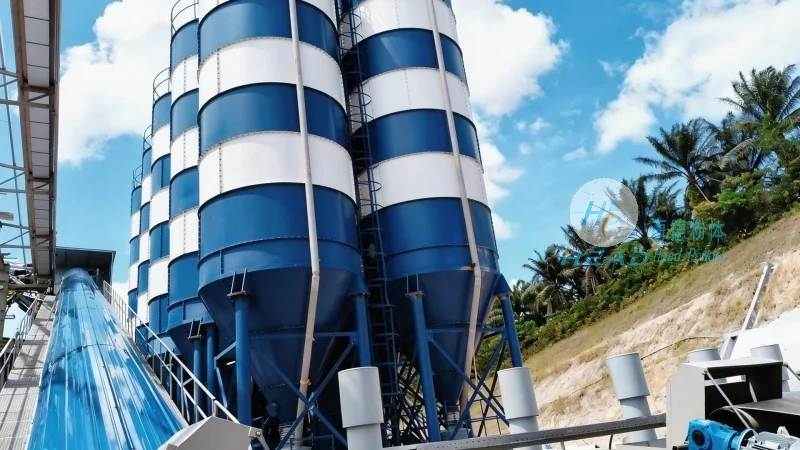
The working scene characteristics of cocoa material pneumatic conveying systems are tailored to the specific demands of cocoa processing facilities. These systems are commonly used in scenarios where flexibility and hygiene are paramount. For instance, in chocolate manufacturing plants, the equipment is employed to transport cocoa powder from storage silos to mixing and grinding units. The ability to convey materials over long distances without the need for intermediate storage or manual handling makes it ideal for large-scale production lines. In addition, the systems are suitable for applications requiring high cleanliness, such as in food processing environments where cross-contamination must be avoided. The compact design of the equipment allows for installation in confined spaces, making it adaptable to existing production layouts. The noise level is typically low compared to mechanical conveyors, contributing to a more pleasant working environment. Another key characteristic is the ability to handle varying material properties, including different moisture contents and particle sizes. This adaptability ensures consistent performance even when processing different types of cocoa products, such as natural cocoa, alkalized cocoa, or cocoa butter. The systems are also designed for easy cleaning and maintenance, which is essential in food processing industries to comply with hygiene regulations. The integration of sensors and monitoring systems allows operators to track the material flow and adjust parameters in real-time, enhancing operational efficiency and reducing downtime.
Application Scenarios and Operational Benefits
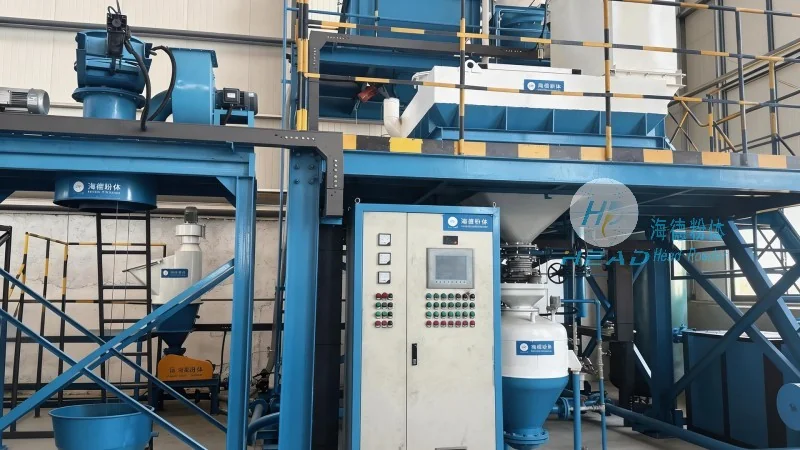
Cocoa material pneumatic conveying systems are widely applied in various working scenarios across the cocoa processing industry. In cocoa bean processing facilities, the equipment is used to transport ground cocoa beans from the roasting and grinding stages to packaging units. The systems are also utilized in cocoa powder production lines, where they convey the fine powder from the drying and milling processes to storage tanks. The operational benefits of these systems are significant, including increased productivity due to continuous, automated material transport. The reduction in manual labor and the elimination of material handling errors contribute to higher overall efficiency. Additionally, the systems help maintain product quality by minimizing exposure to air and moisture, which can affect the flavor and texture of cocoa products. The energy efficiency of the systems is another advantage, as the air recycling feature reduces the need for constant air supply and lowers operational costs. The reliability of the equipment, with minimal moving parts, results in lower maintenance requirements and longer service life. This makes the systems a cost-effective solution for long-term use in cocoa processing operations. Furthermore, the flexibility of the systems allows for easy expansion or reconfiguration as production needs change, providing a scalable solution for growing businesses.