

Principles and Working Scene Characteristics of PTA Powder Material Pneumatic Conveying Equipment
HeadPowder, a leading engineering company based in Shandong, China, specializes in the design and manufacturing of advanced pneumatic conveying systems for various industrial applications. Among these, the PTA powder material pneumatic conveying equipment stands out due to its efficiency and reliability in handling PTA (Polyethylene Terephthalate) powders. This article delves into the fundamental principles behind this equipment and explores the key characteristics of its working scenes.
Principles of Pneumatic Conveying for PTA Powders
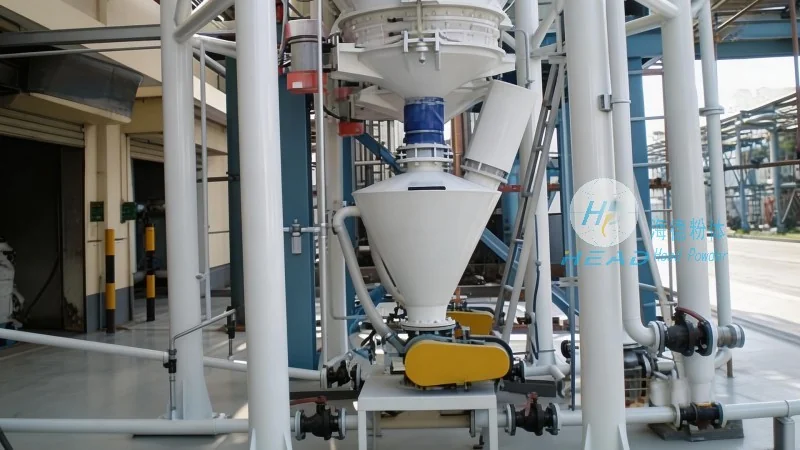
The core principle of pneumatic conveying is the use of a gas stream, typically air or a mixture of air and other gases, to transport solid particles through a pipeline. In the case of PTA powder material, the equipment operates by creating a pressure differential or using suction to move the fine, abrasive particles from the source to the destination. The system typically consists of a feeding unit, a conveying pipeline, a separation unit, and a discharge unit. The feeding unit ensures a consistent flow of PTA powder into the pipeline, while the conveying unit maintains the necessary air velocity to prevent particle settling and blockage. The separation unit, often a cyclone or a filter, separates the PTA powder from the air stream, and the discharge unit delivers the powder to the final storage or processing location.
Key Working Scene Characteristics
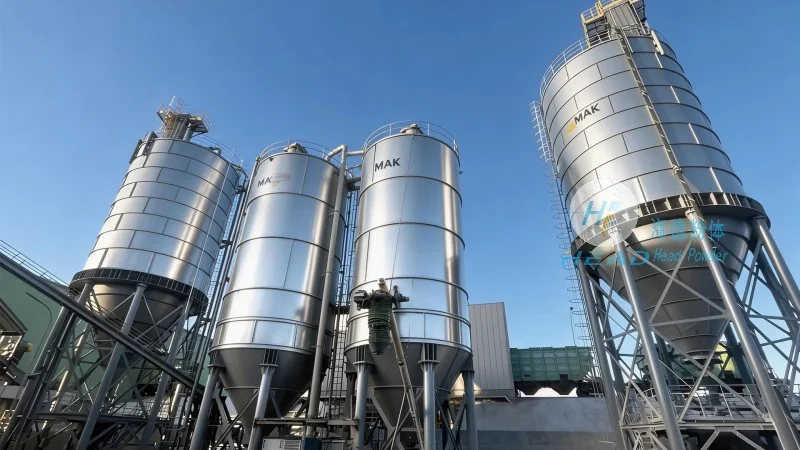
The working scene characteristics of PTA powder pneumatic conveying equipment are tailored to the specific demands of PTA production processes. These characteristics include high efficiency in material transfer, minimal product degradation due to gentle handling, and the ability to operate in environments where dust control is critical. The equipment is designed to handle the fine, dry nature of PTA powders, which are prone to static charge and caking. The system's design ensures that the PTA particles are conveyed without excessive friction or impact, preserving the quality of the material. Additionally, the equipment is built to withstand the abrasive nature of PTA powders, which can cause wear on components over time. The working scenes often involve integration with other production lines, such as from reactors to storage tanks or from storage to processing units, requiring seamless and continuous material flow.
Applications and Operational Advantages
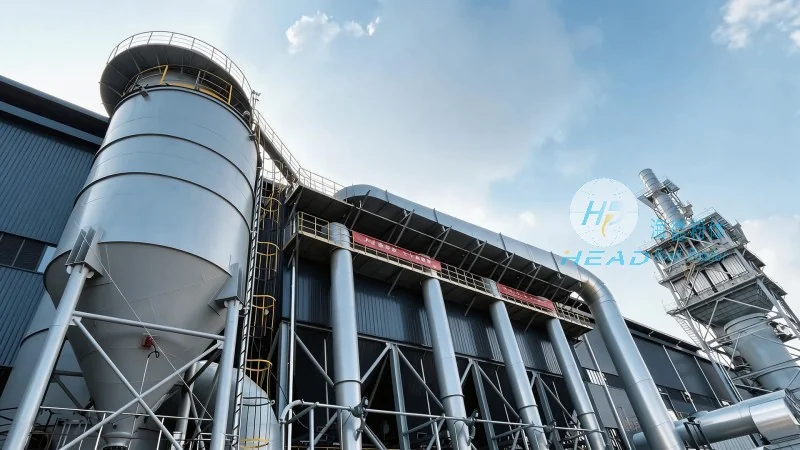
PTA powder material pneumatic conveying equipment is widely used in the petrochemical and textile industries, where PTA is a critical raw material for producing polyester fibers and resins. The primary applications include transporting PTA from reactors to storage silos, moving PTA from storage to downstream processing units, and handling PTA in quality control and sampling processes. The operational advantages of this equipment include reduced labor costs due to automated material transfer, improved safety by minimizing manual handling of powders, and enhanced product quality through controlled conveying conditions. The system's ability to operate in a closed loop also helps in controlling dust emissions, adhering to environmental regulations and maintaining a clean working environment.
Conclusion
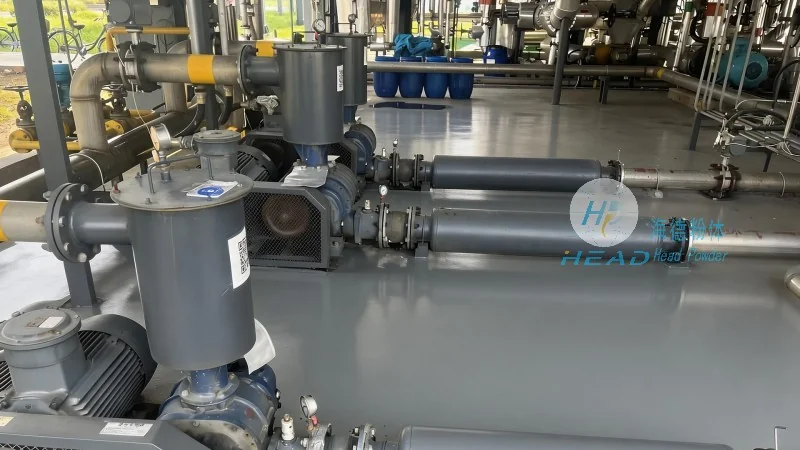
HeadPowder's PTA powder material pneumatic conveying equipment exemplifies advanced engineering solutions for efficient and reliable material handling in industrial settings. By understanding the principles of pneumatic conveying and the specific characteristics of working scenes, companies can optimize their PTA production processes, improve operational efficiency, and ensure product quality. With a strong presence in Shandong, China, HeadPowder continues to provide innovative solutions tailored to the evolving needs of the industrial sector.