

Operation Process and Working Principle of Large-Scale Pneumatic Conveying System Equipment
Large-scale pneumatic conveying systems are critical components in modern industrial operations, enabling the efficient and safe transport of bulk materials over long distances. These systems, often referred to as pneumatic conveyors, utilize compressed air or other gases to move materials such as powders, granules, and even small solid particles. The technology is widely adopted across various industries, including food processing, pharmaceuticals, chemicals, and mining, due to its ability to handle delicate or hazardous materials without contamination or degradation.
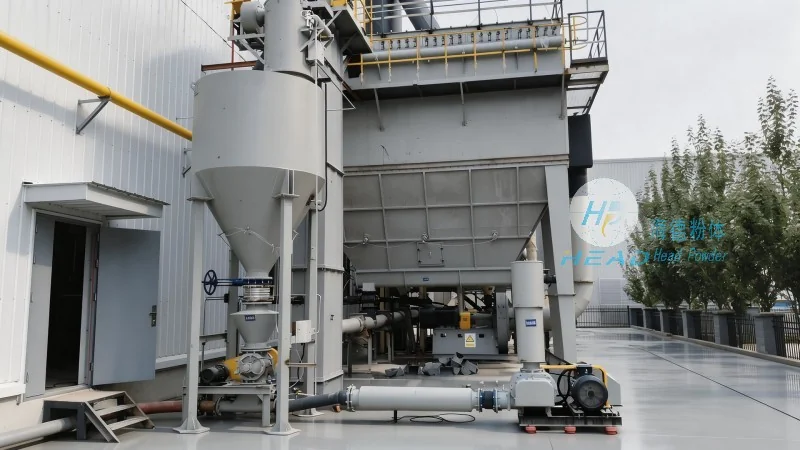
Overview of Pneumatic Conveying Equipment
At the core of large-scale pneumatic conveying systems are specialized pieces of equipment designed to handle high volumes of material. These systems typically consist of several key components, including a material feed hopper, a conveying line (often equipped with valves and bends), a dust collector or filter system, and a discharge hopper or destination container. The design of these components is tailored to the specific characteristics of the material being transported, such as particle size, density, and moisture content, ensuring optimal performance and minimal operational issues.
The Operation Process of Large-Scale Pneumatic Conveying Systems
The operation process of a large-scale pneumatic conveying system involves a series of coordinated steps to ensure smooth material transport. The process typically begins with the material being loaded into the feed hopper. Once the hopper is filled to a certain level, the system's air compressor is activated, generating the necessary pressure to initiate the conveying process. As the compressed air flows through the conveying line, it creates a low-pressure zone that draws the material from the hopper into the line. The material is then carried along the line by the air stream, with the velocity and pressure maintained to prevent material settling or blockages.
During the conveying process, the system may include intermediate storage or processing points, such as mixing chambers or filtration units, which are integrated to enhance material handling efficiency. The air flow is carefully controlled to maintain a consistent velocity, ensuring that the material is transported without excessive wear on the system components. At the destination end, the material is discharged into the receiving hopper or container, and the air is filtered and returned to the system or released safely.
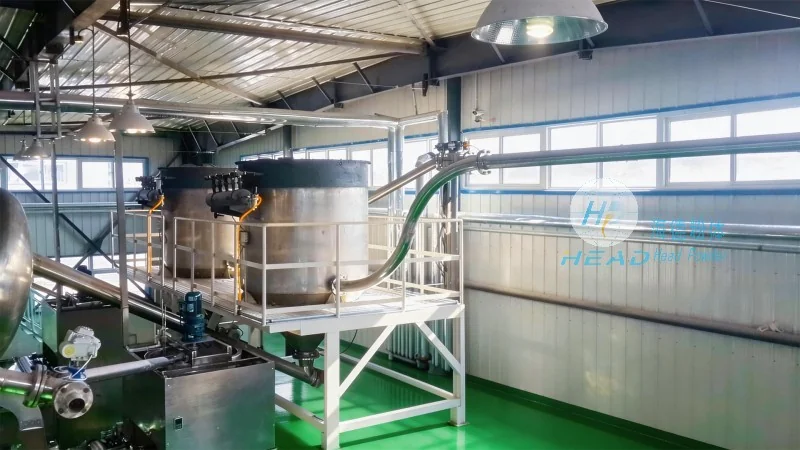
Working Principle of Pneumatic Conveying Systems
The working principle of large-scale pneumatic conveying systems is based on the fundamental physics of fluid dynamics and particle transport. There are two primary types of pneumatic conveying systems: suction (or vacuum) systems and pressure systems. Suction systems operate by creating a negative pressure at the material inlet, drawing the material into the system using the air flow. Pressure systems, on the other hand, use positive pressure to push the material through the conveying line.
In both systems, the key to efficient operation lies in the balance between air velocity and material particle size. The air velocity must be sufficient to overcome the gravitational forces acting on the particles and to maintain a stable flow. If the velocity is too low, the material may settle and cause blockages; if it is too high, it can lead to excessive wear on the system components and energy inefficiency. Advanced systems often incorporate variable speed drives and pressure sensors to dynamically adjust the air flow, ensuring optimal performance under varying material conditions.
Key Components and Their Functions
Several critical components work together to ensure the reliable operation of large-scale pneumatic conveying systems. The material feed hopper is designed to store and feed the material into the system at a controlled rate, preventing overloading or material spillage. The conveying line, typically made of stainless steel or other corrosion-resistant materials, is equipped with valves and bends to direct the material flow and accommodate changes in direction. The air compressor or vacuum pump provides the necessary pressure or suction to drive the material through the line. The dust collector or filter system is essential for maintaining air quality and preventing material contamination, especially in applications involving hazardous or fine powders.
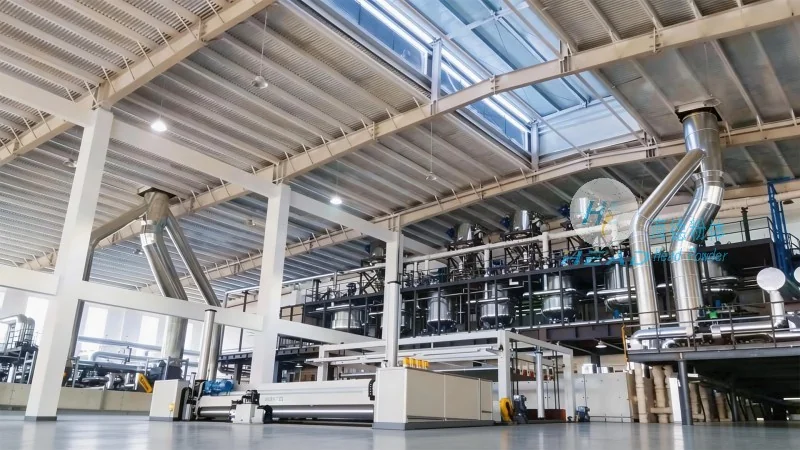
Advantages and Applications of Large-Scale Pneumatic Conveying Systems
Large-scale pneumatic conveying systems offer numerous advantages over traditional mechanical conveying methods. These include the ability to handle a wide range of materials, including those that are difficult to transport mechanically, such as powders and granules. The systems are also highly flexible, allowing for easy integration into existing production lines and adaptation to changing operational needs. Additionally, pneumatic conveying systems can operate in environments where mechanical conveyors may be impractical, such as in areas with high temperatures or corrosive conditions.
Applications of large-scale pneumatic conveying systems span multiple industries. In the food and pharmaceutical sectors, these systems are used to transport ingredients and finished products, ensuring strict contamination control and maintaining product integrity. In the chemical industry, they handle various powders and granules, including those that are hazardous or reactive. In the mining and minerals processing industry, pneumatic conveyors are used to transport raw materials and waste products, improving operational efficiency and reducing labor costs.
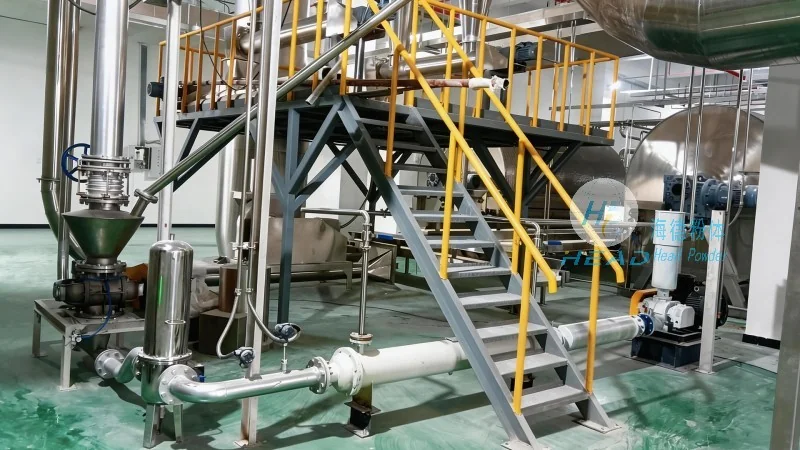
Maintenance and Operational Considerations
Proper maintenance is crucial for ensuring the long-term reliability and efficiency of large-scale pneumatic conveying systems. Regular inspection of components such as the air compressor, conveying line, and filter system is essential to identify and address potential issues before they lead to system failures. The filter system, in particular, requires frequent cleaning or replacement to maintain air quality and prevent material buildup. Additionally, monitoring system pressure and air flow rates can help detect early signs of performance degradation, allowing for timely adjustments or repairs.
Operational considerations also include the selection of appropriate materials for the conveying line and components, based on the specific characteristics of the material being transported. For example, stainless steel is commonly used for food and pharmaceutical applications due to its corrosion resistance and ease of cleaning. The system's design must also account for the potential for material buildup or blockages, which can be mitigated through the use of anti-static coatings, regular cleaning, and the incorporation of self-cleaning features.
Conclusion
Large-scale pneumatic conveying systems are sophisticated and efficient solutions for the transport of bulk materials in various industrial applications. The operation process involves a coordinated sequence of steps, from material loading to discharge, while the working principle is based on fluid dynamics and particle transport. By understanding the key components and operational considerations, users can optimize the performance of these systems and ensure reliable material handling. As a leading provider in the field, Shandong HeadPowder Engineering Co., Ltd. specializes in the design, manufacturing, and integration of large-scale pneumatic conveying systems, offering tailored solutions to meet the diverse needs of industrial clients.