

Operation Process and Working Principle of Inorganic Salt Crystal Pneumatic Conveying Machines
For industrial applications involving the handling of inorganic salt crystals, the pneumatic conveying system offers a reliable and efficient solution. This article delves into the operation process and working principle of such machines, highlighting their role in material transport within various industrial settings. The discussion is presented by Shandong HeadPowder Engineering Co., Ltd., a leading manufacturer based in Shandong, China, specializing in advanced material handling equipment.
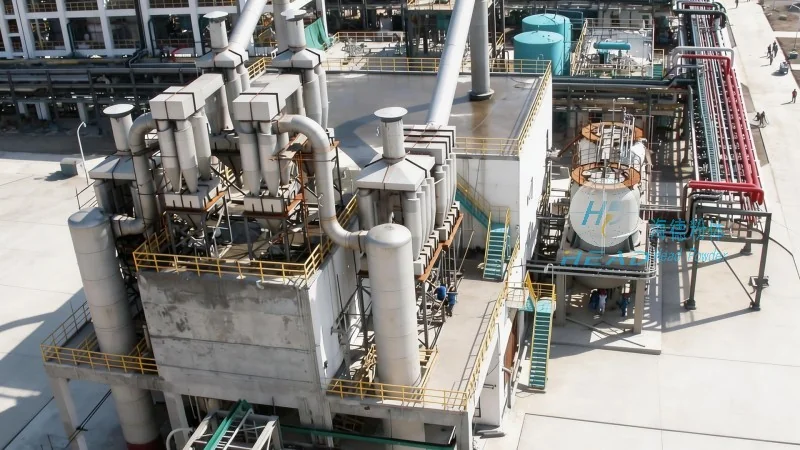
Introduction to Inorganic Salt Crystal Pneumatic Conveying Machines
Inorganic salt crystals, such as sodium chloride, potassium chloride, or other mineral salts, are commonly used in chemical, food, and pharmaceutical industries. Traditional methods of transporting these materials, like bucket elevators or belt conveyors, may face challenges like material degradation, blockages, or high maintenance costs. Pneumatic conveying machines provide a dust-free, low-maintenance alternative that ensures the integrity of the salt crystals while optimizing operational efficiency. These systems are designed to handle a wide range of particle sizes and flow rates, making them versatile for various industrial applications.
Key Components and Their Functions
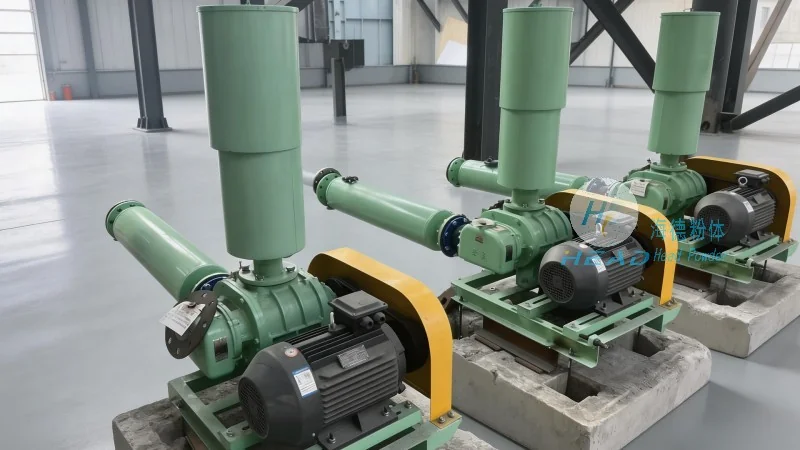
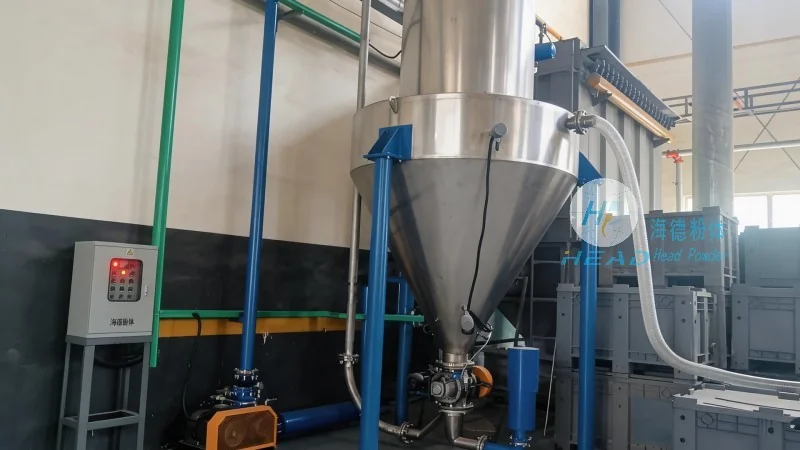
The pneumatic conveying system for inorganic salt crystals typically consists of several critical components, each playing a vital role in the overall operation. The main components include the hopper, which stores the salt crystals; the air compressor or blower, which generates the air flow; the conveying line, which transports the material; the control valve, which regulates the flow; and the discharge hopper or collection bin. Additionally, filters and cyclones may be integrated to separate the material from the air stream, ensuring clean operation and preventing dust accumulation. Each component is carefully engineered to work in harmony, ensuring smooth and continuous material transport.
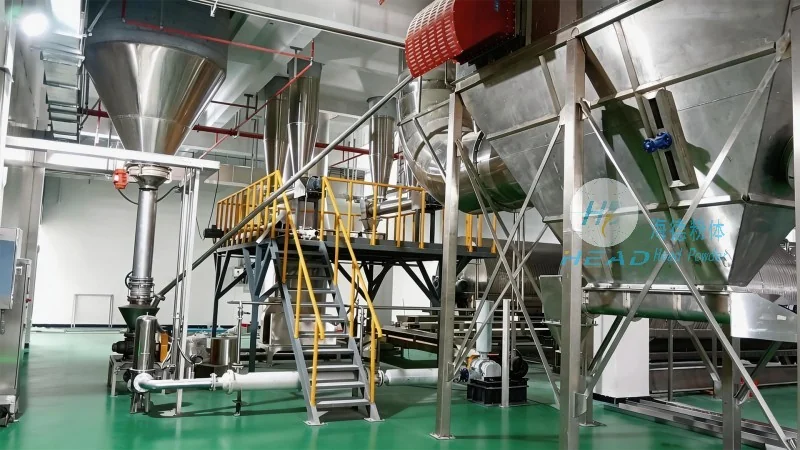
The Operation Process of Pneumatic Conveying
The operation process of an inorganic salt crystal pneumatic conveying machine begins with the loading of the salt crystals into the hopper. The air compressor then starts, generating a high-pressure air stream that draws the material from the hopper into the conveying line. As the air flows through the line, it carries the salt crystals along, maintaining a consistent flow rate. The material is then discharged into the collection bin at the receiving end. The control valve adjusts the air pressure and flow rate as needed, ensuring that the conveying process remains stable and efficient. The entire process is automated, allowing for continuous operation without manual intervention, which enhances productivity and reduces labor costs.
Working Principle Explained
The working principle of a pneumatic conveying system relies on the principles of fluid dynamics and particle transport. When the air compressor produces a high-pressure air stream, it creates a pressure differential between the hopper and the conveying line. This pressure difference causes the salt crystals to be entrained by the air and carried through the line. The velocity of the air is crucial; it must be sufficient to lift and transport the particles without causing excessive wear or degradation. The system uses either positive pressure (where air is forced into the line) or negative pressure (where air is drawn out), depending on the application and the distance of the conveying line. For inorganic salt crystals, positive pressure systems are often preferred as they offer better control and are more suitable for long-distance transport.
Advantages of Using Pneumatic Conveying Systems for Inorganic Salts
Implementing a pneumatic conveying system for inorganic salt crystals offers several advantages over traditional methods. Firstly, it provides a dust-free environment, which is essential for maintaining product quality and ensuring workplace safety. Unlike belt or bucket elevators, which can generate significant dust, pneumatic systems keep the material enclosed, reducing the risk of contamination and improving air quality. Secondly, these systems are highly efficient in terms of energy consumption and operational costs. The absence of moving parts in the conveying line minimizes wear and tear, leading to lower maintenance expenses and longer equipment lifespan. Thirdly, pneumatic conveying allows for flexible and scalable solutions, as the system can be easily adjusted to handle varying flow rates and material types. This adaptability makes it suitable for both small-scale and large-scale industrial operations.
Application Scenarios and Industry Use Cases
Pneumatic conveying machines are widely used in various industries that handle inorganic salt crystals. In the chemical industry, they are employed for transporting raw materials like sodium chloride to production lines, ensuring a steady supply of feedstock. The food industry utilizes these systems for processing salt in food manufacturing, maintaining hygiene standards and preventing cross-contamination. In the pharmaceutical sector, pneumatic conveying is crucial for handling active pharmaceutical ingredients (APIs) and excipients, as it ensures the purity and integrity of the materials. Additionally, in the mining and mineral processing industries, these systems are used to transport salt crystals from storage to processing units, enhancing overall operational efficiency. The versatility of pneumatic conveying makes it an ideal choice for any application requiring reliable and efficient material transport.
Maintenance and Operational Tips for Optimal Performance
To ensure the long-term performance and reliability of a pneumatic conveying system for inorganic salt crystals, regular maintenance and proper operational practices are essential. Regular inspection of the air compressor and blower is necessary to check for any signs of wear or malfunction, as these components are critical to the system's operation. The conveying line should be inspected for blockages or damage, as even small obstructions can disrupt the flow and cause system failure. Cleaning the filters and cyclones regularly is also important to maintain air quality and prevent dust buildup. Additionally, monitoring the air pressure and flow rate during operation helps identify any deviations from normal performance, allowing for timely adjustments. Following the manufacturer's guidelines for maintenance and operation will ensure that the system operates at peak efficiency, minimizing downtime and maximizing productivity.