

Operation Process and Working Principle of Pneumatic Conveying Equipment for Glass Raw Materials
HeadPowder, a leading manufacturer based in Shandong, China, specializes in the design and production of pneumatic conveying equipment tailored for glass raw materials. This article delves into the operational process and underlying principles of such systems, providing a comprehensive overview for industry professionals and potential clients.
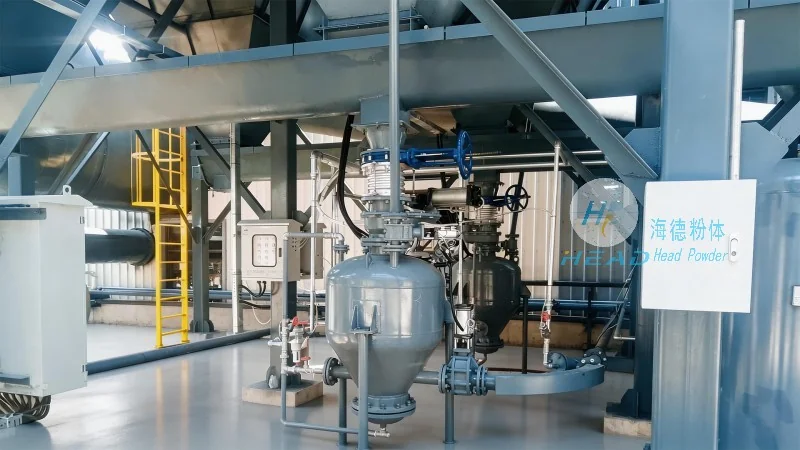
Working Principle of Pneumatic Conveying Systems for Glass Raw Materials
Pneumatic conveying systems for glass raw materials operate on the principle of transporting bulk materials through a pipeline using pressurized or vacuum air. The core mechanism involves the creation of a flow of air within the pipeline, which entrains the glass particles and propels them from the source to the destination. There are primarily two types of pneumatic conveying systems: pressure systems, which use positive pressure to move materials, and vacuum systems, which employ negative pressure to draw materials. The choice between these systems depends on factors such as material characteristics, distance, and system layout. In pressure systems, a blower or compressor generates the necessary air pressure, while in vacuum systems, a vacuum pump creates the suction. The air flow is carefully controlled to ensure efficient material transport without causing excessive wear or degradation of the glass particles.
Operational Process of Pneumatic Conveying Equipment
The operation of pneumatic conveying equipment for glass raw materials typically follows a standardized sequence of steps. First, the raw materials are loaded into the hopper or storage silo. The system then initiates the air flow, either by starting the blower in a pressure system or the vacuum pump in a vacuum system. As the air flows through the pipeline, it picks up the glass particles from the hopper, forming a slurry-like mixture known as a "conveyed stream." The conveyed stream travels through the pipeline network, which may include bends, expansions, and filters, to reach the discharge point. At the destination, the air and glass particles are separated; the air is typically vented to the atmosphere, while the glass particles are collected in a receiving hopper or silo. The system continuously monitors parameters such as air pressure, flow rate, and material level to maintain optimal performance. Regular maintenance, including cleaning of filters and checking for air leaks, is essential to ensure consistent operation and prevent downtime.
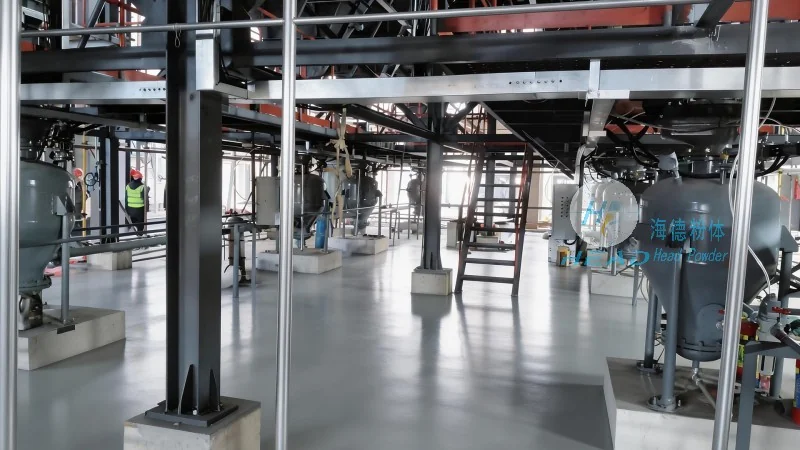
Key Components of Pneumatic Conveying Systems
Several critical components work in tandem to ensure the smooth operation of pneumatic conveying equipment for glass raw materials. The hopper or storage silo serves as the material source, providing a consistent supply of glass particles. The blower or vacuum pump generates the necessary air pressure or vacuum. The pipeline network, made of materials such as stainless steel or plastic, transports the material and air. Filters are used to remove any debris or fine particles from the air stream, protecting downstream equipment and maintaining air quality. Check valves prevent backflow of material, ensuring unidirectional transport. The discharge hopper or silo collects the conveyed glass particles at the destination. Each component is designed to withstand the abrasive nature of glass particles and the high pressures or vacuums involved in the process.
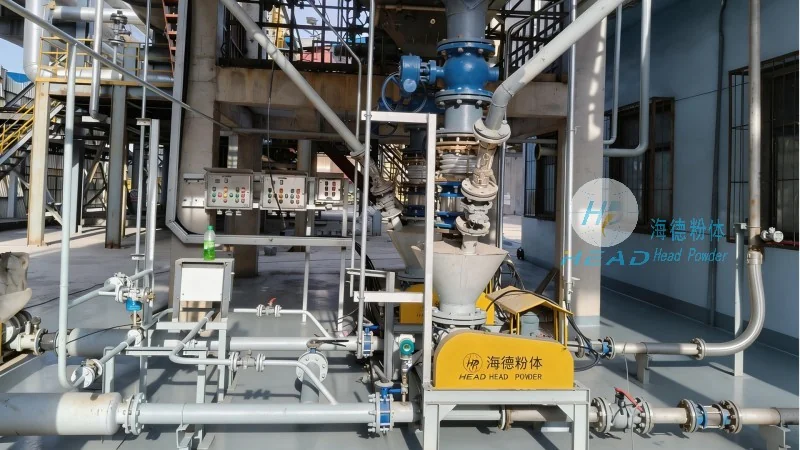
Applications in Glass Manufacturing
Pneumatic conveying equipment is widely used in the glass manufacturing industry for transporting various raw materials, including sand, soda ash, limestone, and cullet. These materials are often abrasive and require efficient, dust-free transport to maintain product quality. The systems are particularly useful in applications where traditional mechanical conveyors are unsuitable, such as long-distance transport or the need to avoid cross-contamination. For example, in a glass production plant, the system may transport sand from a storage silo to a mixing tank, or move cullet from a recycling bin to a furnace. The ability to handle these materials in a controlled manner ensures that the glass production process runs smoothly and efficiently.
Maintenance and Operational Considerations
Proper maintenance is crucial for the reliable operation of pneumatic conveying systems for glass raw materials. Regular inspection of components such as filters, check valves, and pipelines is essential to prevent clogging or damage. Filters should be cleaned or replaced as needed to maintain air quality and prevent pressure drops. The blower or vacuum pump should be checked for proper operation and lubricated as per manufacturer guidelines. Material buildup in the hopper or pipeline should be addressed promptly to avoid blockages. Additionally, monitoring system parameters such as air pressure, flow rate, and material level helps in early detection of issues and ensures optimal performance. By adhering to a regular maintenance schedule, users can extend the lifespan of the equipment and minimize downtime, leading to cost savings and improved productivity.