

Operation Process and Working Principle of Cotton Seed Pneumatic Conveying System Equipment
Shandong HeadPowder Engineering Co., Ltd., a professional manufacturer based in Shandong, China, specializes in the design, development, and production of advanced cotton seed pneumatic conveying systems. These systems are engineered to efficiently transport cotton seeds from one location to another, ensuring minimal loss, high throughput, and optimal material handling. The following content provides a detailed overview of the operation process and working principle of such systems, highlighting the key components and their functional roles.
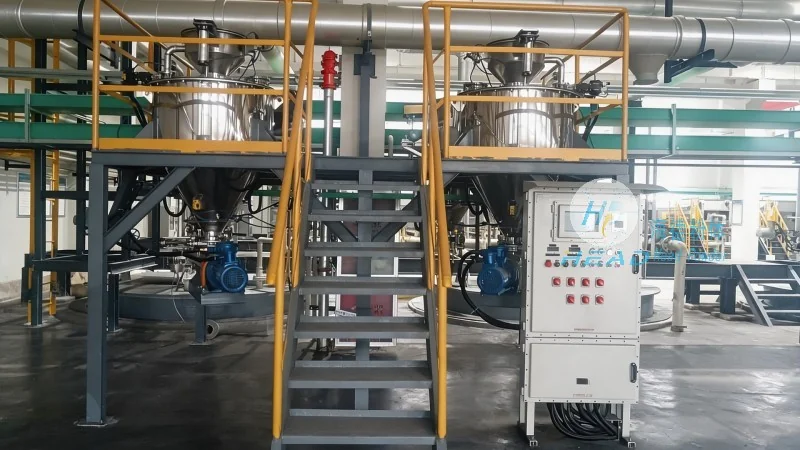
Key Components of the Cotton Seed Pneumatic Conveying System
The cotton seed pneumatic conveying system typically consists of several core components that work in tandem to achieve effective material transport. The primary components include the hopper (or storage tank), the air compressor, the conveying pipeline, the control system, and the discharge unit. Each component plays a crucial role in the overall operation, ensuring smooth and reliable performance. The hopper is responsible for storing the cotton seeds, providing a uniform feed to the system. It is usually equipped with a feeding mechanism, such as a rotary valve or a screw feeder, which regulates the flow of seeds into the conveying pipeline. The air compressor generates the necessary air pressure to move the seeds through the system. Common types of air compressors used in such systems include rotary lobe compressors and centrifugal compressors, each offering different pressure and flow characteristics suitable for various application requirements. The conveying pipeline, often made of stainless steel or high-density polyethylene (HDPE) for corrosion resistance, is designed to withstand the pressure and friction caused by the moving seeds. The pipeline is typically equipped with bends, elbows, and other fittings to guide the material flow and maintain system integrity. The control system monitors and regulates the air pressure, flow rate, and other parameters using programmable logic controllers (PLCs) or other advanced control devices. The discharge unit, located at the end of the pipeline, collects the transported cotton seeds and directs them to the final destination, such as a processing machine or storage silo.
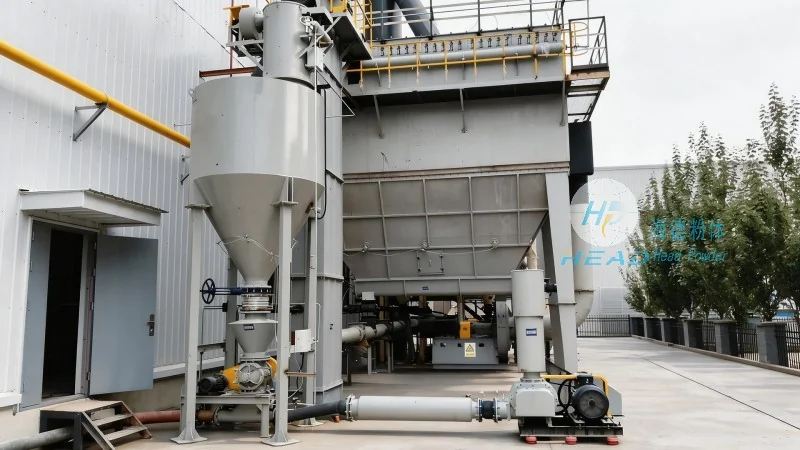
Working Principle of the Cotton Seed Pneumatic Conveying System
The working principle of the cotton seed pneumatic conveying system is based on the use of compressed air to create a flow of material through the pipeline. This process is often referred to as pneumatic conveying, which relies on the principle of fluid dynamics to transport solid particles. When the air compressor operates, it generates high-pressure air that is introduced into the conveying pipeline. The air flows through the pipeline, creating a low-pressure zone at the inlet where the cotton seeds are introduced. The pressure difference between the high-pressure air and the low-pressure zone at the inlet causes the cotton seeds to be drawn into the pipeline and carried along by the air flow. The seeds are suspended in the air stream due to the drag force exerted by the air on the particles. The air flow velocity and pressure are carefully controlled to ensure that the seeds remain suspended and do not settle or deposit in the pipeline. The air and seeds then separate at the discharge point, with the air being discharged to the atmosphere or recirculated through a filter system to remove any dust or particles. The separated seeds are collected for further processing, such as cleaning, sorting, or packaging.
Operation Process of the Cotton Seed Pneumatic Conveying System
The operation process of the cotton seed pneumatic conveying system involves several sequential steps that ensure efficient and continuous material transport. The process begins with the loading of cotton seeds into the hopper, which is typically done manually or via an automated feeding system. The feeding mechanism then regulates the flow of seeds into the conveying pipeline, ensuring a consistent feed rate. The control system checks the system parameters, such as air pressure and material level, before starting the air compressor. Once the compressor is activated, it generates the required air pressure, which is controlled by the system's control unit. The compressed air is introduced into the pipeline, creating the necessary pressure difference to draw the seeds into the system. As the seeds are drawn into the pipeline, they are carried along by the air flow to the discharge unit. The discharge unit collects the seeds and directs them to the next processing stage or storage location. The control system continuously monitors the system parameters, such as air pressure, flow rate, and material level, to maintain optimal operation and prevent any potential issues, such as blockages or excessive pressure. In case of a blockage, the system may automatically shut down the air compressor and alert the operator. The system is designed to be safe and reliable, with features such as pressure relief valves and emergency stop buttons to prevent accidents and ensure smooth operation.
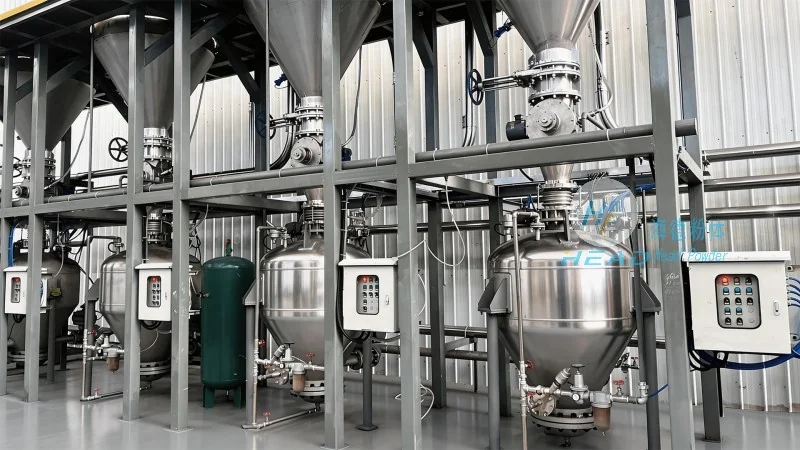
Advantages of the Cotton Seed Pneumatic Conveying System
The cotton seed pneumatic conveying system offers several advantages over traditional material handling methods. One of the primary advantages is the ability to transport materials over long distances without the need for intermediate transfer points. This reduces the risk of material loss and contamination, as the entire process is contained within the pipeline. The system also provides high throughput and low maintenance requirements, making it an efficient and cost-effective solution for cotton seed handling. Additionally, the system is designed to minimize dust generation and improve safety, as the material is enclosed within the pipeline and the air is filtered before being discharged. The enclosed design also helps to prevent the spread of dust and allergens, making it suitable for applications where environmental and health considerations are important.