

Operation Process and Working Principle of Dry Ash Pneumatic Conveying System Equipment
The dry ash pneumatic conveying system is a specialized equipment designed for the efficient transportation of dry ash from its source to the designated disposal or utilization site. As a key component in industrial waste management, this system ensures safe and reliable movement of ash particles without the need for water or other liquids, making it ideal for applications in power plants, cement factories, and other facilities that generate large volumes of dry ash. The system is engineered to handle various ash types, including fly ash, bottom ash, and boiler ash, with consistent performance and minimal maintenance requirements.
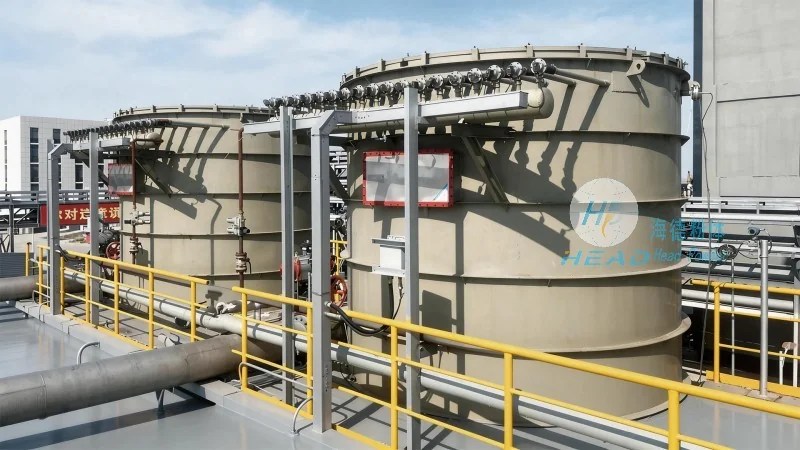
Key Components of the System
HeadPowder, a leading manufacturer based in Shandong, China, has developed a comprehensive dry ash pneumatic conveying system that integrates several critical components to ensure optimal operation. The main components include the ash feeder, which feeds the dry ash into the system; the air compressor, which provides the necessary pressure and airflow to move the ash particles; the conveying pipeline, which transports the ash from the source to the destination; and the dust collector, which captures any airborne particles to maintain air quality and prevent contamination. Each component is carefully designed and manufactured to meet industrial standards, ensuring durability and long-term reliability.
Operation Process of the Dry Ash Pneumatic Conveying System
The operation process of the dry ash pneumatic conveying system involves several sequential steps that work together to achieve efficient ash transportation. First, the dry ash is fed into the system through the ash feeder, which may be a screw feeder or a rotary valve, depending on the system configuration. The feeder ensures a consistent flow rate of ash into the pipeline. Next, the air compressor generates high-pressure air, which is then introduced into the conveying pipeline. The compressed air creates a flow that lifts and transports the ash particles through the pipeline. As the ash moves through the pipeline, it is carried by the air stream, and the system maintains a stable pressure and flow rate to prevent blockages or uneven distribution. The conveying process continues until the ash reaches the destination, such as a storage silo or a disposal site. Finally, the system may include a dust collector to filter out any residual ash particles from the air, ensuring that the exhaust air is clean and meets environmental regulations.
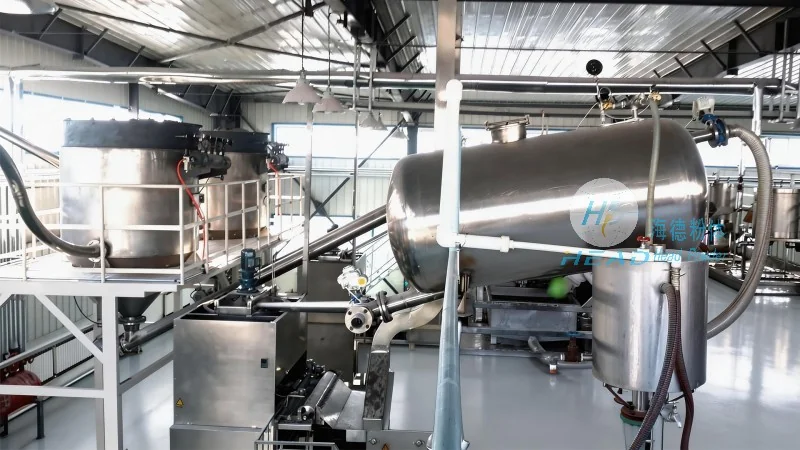
Working Principle of the Pneumatic Conveying System
The working principle of the dry ash pneumatic conveying system is based on the fundamental concept of fluidization and air movement. The system uses compressed air to create a flow that carries the dry ash particles through the pipeline. The air pressure is sufficient to overcome the gravitational force of the ash particles and any friction within the pipeline, allowing for smooth and continuous transportation. The key to the system's efficiency lies in maintaining an appropriate air-to-ash ratio, which ensures that the ash particles are fully suspended in the air stream and do not settle or accumulate in the pipeline. The system's design also includes features such as pulse jets or air valves that help to prevent blockages by periodically flushing the pipeline with high-pressure air, ensuring that the system operates without interruptions. HeadPowder's system is equipped with advanced control systems that monitor the pressure, flow rate, and temperature of the air and ash, providing real-time feedback and adjustments to maintain optimal performance.
Advantages of the Dry Ash Pneumatic Conveying System
Compared to traditional ash handling methods, such as water slurry or mechanical conveyors, the dry ash pneumatic conveying system offers several significant advantages. First, it eliminates the need for water, reducing water consumption and associated costs. Second, it minimizes the risk of dust contamination and environmental pollution, as the system is designed to capture and filter airborne particles. Third, the system is more energy-efficient, as it uses compressed air rather than mechanical components to move the ash. Fourth, it provides a more compact and space-saving solution, as the conveying pipeline can be installed vertically or horizontally, depending on the facility layout. Additionally, the system is highly flexible and can be easily integrated with existing industrial processes, making it a cost-effective solution for ash management.
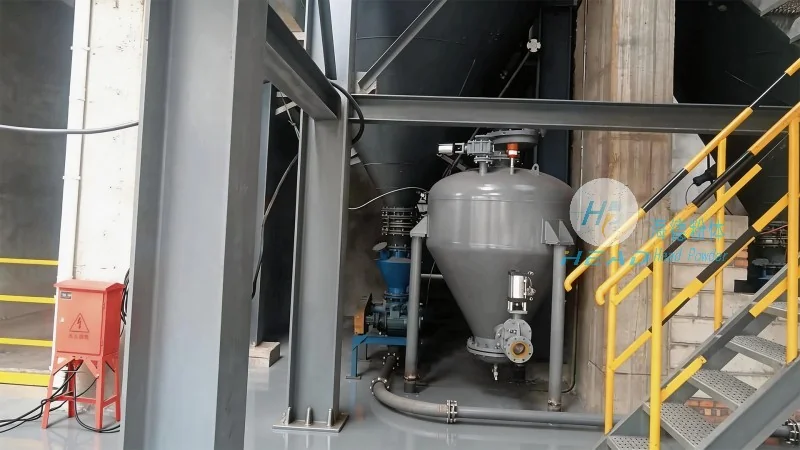
Applications and Industries
The dry ash pneumatic conveying system is widely used in various industries that generate dry ash as a byproduct. The primary applications include power plants, where fly ash is produced during the combustion of coal; cement factories, where bottom ash is generated from the kiln; and industrial facilities that use boilers for heating or power generation. The system is also used in waste management facilities for the transportation of ash from incinerators or other waste processing plants. HeadPowder's system has been successfully implemented in numerous projects across China and other countries, demonstrating its reliability and effectiveness in handling large volumes of dry ash.
Maintenance and Troubleshooting
To ensure the long-term performance and reliability of the dry ash pneumatic conveying system, regular maintenance is essential. HeadPowder recommends a preventive maintenance schedule that includes checking the air compressor for proper operation, inspecting the conveying pipeline for any signs of wear or blockages, and cleaning the dust collector to maintain its efficiency. If the system experiences any issues, such as reduced flow rate or increased pressure, the troubleshooting process involves checking the air pressure, inspecting the ash feeder for clogs, and verifying the air-to-ash ratio. By following these maintenance and troubleshooting procedures, the system can operate efficiently and minimize downtime.