

Operation Process and Working Principle of Petroleum Coke Powder Pneumatic Conveying System Equipmen
Understanding the operation process and working principle of petroleum coke powder pneumatic conveying systems is crucial for optimizing industrial material handling efficiency. These systems are engineered to transport fine powders like petroleum coke over long distances with minimal loss and high reliability, playing a vital role in modern industrial applications.
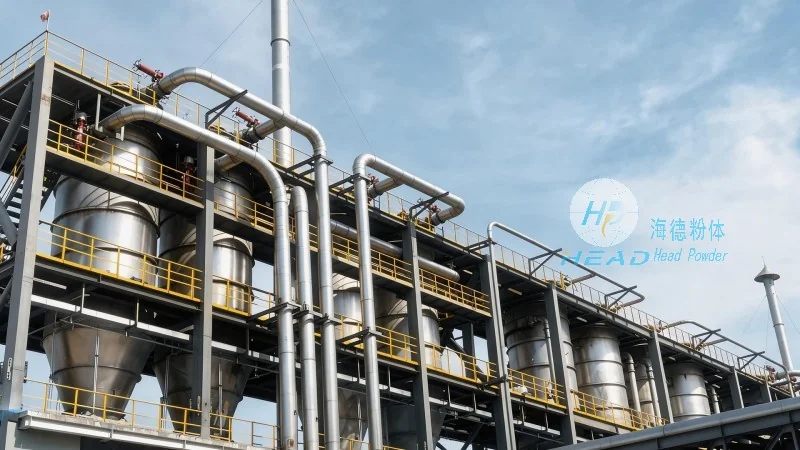
Overview of Pneumatic Conveying Systems for Petroleum Coke Powder
Pneumatic conveying systems utilize air or gas as the conveying medium to transport bulk materials. In the case of petroleum coke powder, these systems are specifically designed to handle the unique properties of this material, such as its high density, fine particle size, and potential for dust generation. The equipment typically includes a hopper, feeder, air compressor, pipeline, and receiver, all working in tandem to ensure smooth material transport.
Key Components and Their Functions
The core components of a petroleum coke powder pneumatic conveying system include the material hopper, which stores the petroleum coke powder; a rotary valve or feeder that controls the material flow into the system; an air compressor that generates the necessary air pressure for conveying; a pipeline network that transports the material and air mixture; and a receiver or silo where the material is deposited. Each component plays a critical role in maintaining the system's efficiency and safety.
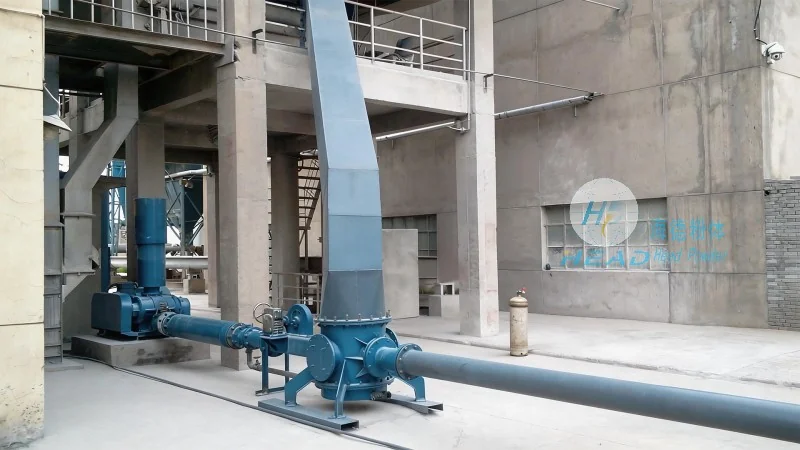
Operation Process: Step-by-Step Breakdown
The operation process of a petroleum coke powder pneumatic conveying system involves several sequential steps. First, the petroleum coke powder is fed from the hopper into the feeder. The feeder then regulates the flow rate, ensuring a consistent supply of material. Simultaneously, the air compressor generates high-pressure air, which is introduced into the pipeline. The air and powder mixture is then propelled through the pipeline to the receiver. The system may include a filter or separator at the receiver to remove excess air and prevent dust contamination. This process is typically automated, with sensors and controls monitoring pressure, flow, and material levels to maintain optimal performance.
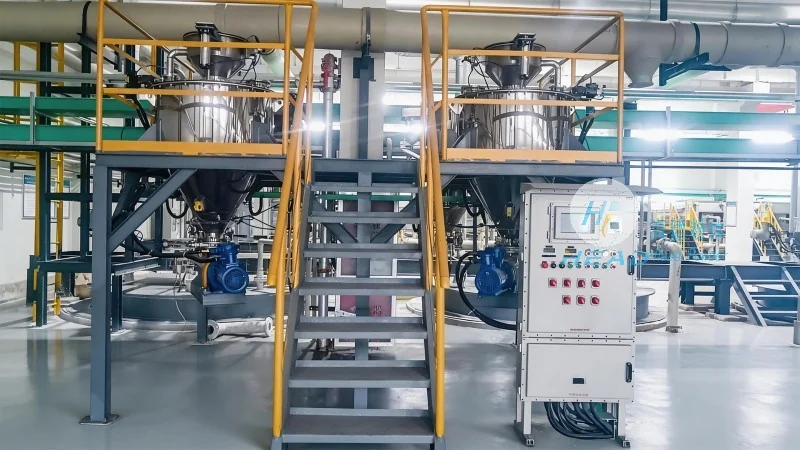
Working Principle: How the System Transmits Material
The working principle of pneumatic conveying for petroleum coke powder is based on the principle of fluidization and drag. When high-pressure air is introduced into the pipeline, it creates a flow that lifts and transports the powder particles. The air acts as a fluid, suspending the powder in the air stream and moving it along the pipeline. The velocity of the air is carefully controlled to ensure that the powder particles are fully suspended without causing excessive wear or pressure drop in the system. The system's design, including the diameter and length of the pipeline, as well as the air pressure and flow rate, are optimized to achieve the desired conveying capacity and efficiency.
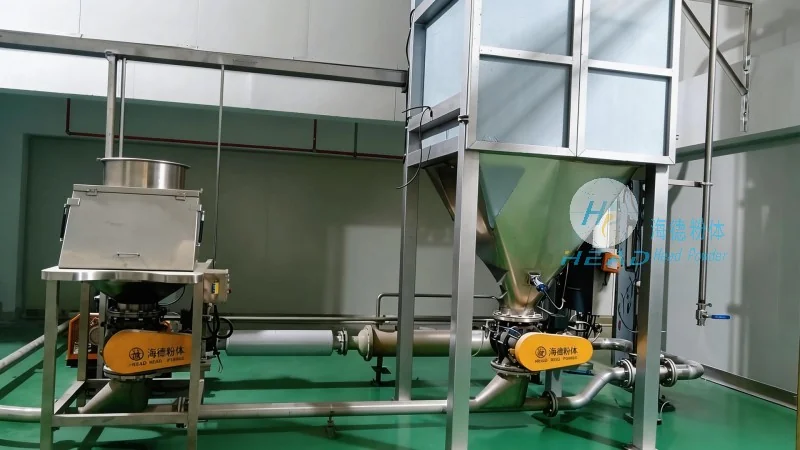
Advantages and Applications in Industrial Settings
Pneumatic conveying systems for petroleum coke powder offer several advantages over traditional methods like belt conveyors or bucket elevators. These include reduced material degradation, lower maintenance costs, and the ability to transport materials over long distances without the need for multiple transfer points. The systems are widely used in industries such as steel production, power generation, and chemical processing, where petroleum coke is a key raw material. The equipment is designed to handle the specific challenges of petroleum coke powder, such as its abrasive nature and tendency to clump, ensuring reliable and efficient operation.
Conclusion: Ensuring Efficient Material Handling
In conclusion, the operation process and working principle of petroleum coke powder pneumatic conveying systems are integral to modern industrial material handling. By understanding the key components, operation steps, and working principles, industries can optimize their material transport processes, improve efficiency, and reduce operational costs. The systems, manufactured by companies like Shandong HeadPowder Engineering Co., Ltd., provide reliable solutions for handling petroleum coke powder, supporting the needs of various industrial applications.