

Operation Process and Working Principle of Sawdust Particle Pneumatic Conveying System Equipment
HeadPowder, a leading manufacturer based in Shandong, China, specializes in the design and production of advanced pneumatic conveying systems tailored for sawdust particle transportation. This article provides a detailed overview of the operational process and working principles of their sawdust particle pneumatic conveying system equipment, highlighting key components and the systematic approach to efficient material handling.
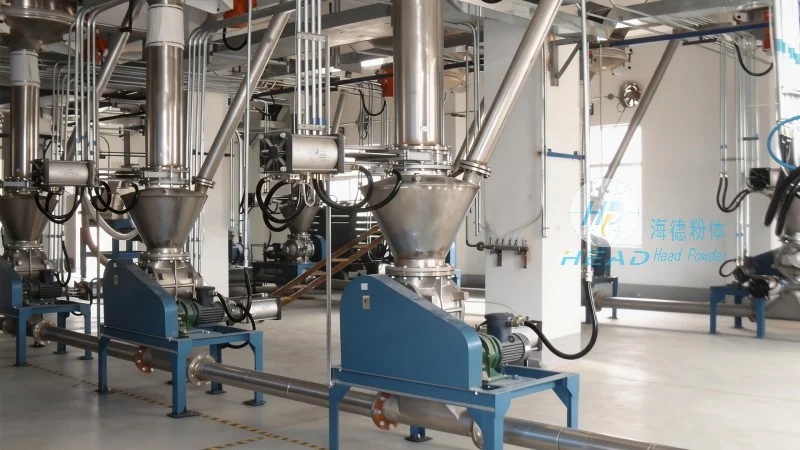
Company Profile and System Overview
Shandong HeadPowder Engineering Co., Ltd., commonly known as HeadPowder, is a reputable enterprise dedicated to engineering solutions for material handling, particularly in the wood processing industry. The company’s sawdust particle pneumatic conveying system is engineered to meet the demands of modern sawdust processing facilities, ensuring reliable and efficient transportation of sawdust particles from source to destination. The system is designed with durability, energy efficiency, and safety in mind, aligning with industry standards and customer requirements.
Working Principle of the Pneumatic Conveying System
The core working principle of the sawdust particle pneumatic conveying system involves the use of compressed air to transport dry, free-flowing materials like sawdust through a network of pipes. The system operates on the principle of air pressure, where a fan or blower generates a flow of air that moves the sawdust particles along the pipeline. Key components include a material feed hopper, an air compressor, a pipeline system, and a separation or collection unit. The process begins with sawdust being fed into the hopper, where it is then introduced into the pipeline under the force of the compressed air. The air flow carries the sawdust particles through the system, ensuring consistent and controlled movement without the need for mechanical conveyors, which can be prone to blockages or maintenance issues.
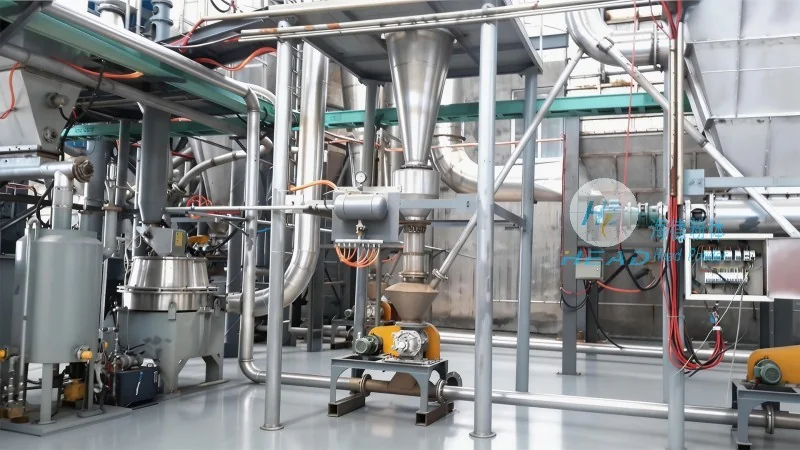
Operation Process: Step-by-Step Breakdown
The operational process of the sawdust particle pneumatic conveying system can be broken down into several key steps, each contributing to the efficient transportation of the material. First, the sawdust is loaded into the feed hopper, which is equipped with a feeding mechanism to regulate the flow rate. The hopper is connected to the pipeline system via a transition section, where the sawdust is introduced into the air stream. The air compressor, typically a high-efficiency model, generates the necessary pressure to move the material through the pipeline. As the air and sawdust mixture travels through the pipeline, it passes through various sections, including bends, expansions, and possibly a filter or separator to remove any moisture or debris. The system is designed to maintain a consistent air velocity, which is critical for preventing material settling or blockages. At the destination point, the sawdust is collected in a receiving hopper or storage silo, where the air is separated from the material, often through a cyclone or bag filter, before being vented to the atmosphere or recirculated. The entire process is automated, with sensors and controls monitoring pressure, flow rate, and material level to ensure optimal performance and safety.
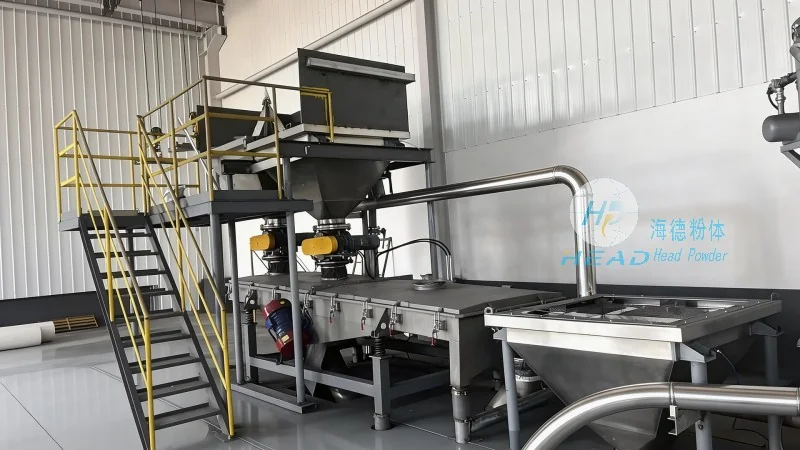
Key Components and Their Functions
Several critical components work in tandem to ensure the smooth operation of the sawdust particle pneumatic conveying system. The air compressor is the heart of the system, providing the necessary pressure and airflow to move the material. It is typically a positive displacement blower or a centrifugal fan, chosen based on the system’s capacity and pressure requirements. The material feed hopper is designed to handle the sawdust input, with a discharge valve or gate to control the flow rate. The pipeline system is constructed from durable materials such as stainless steel or PVC, selected for their resistance to corrosion and wear from the sawdust particles. The separation or collection unit, often a cyclone separator, is used to separate the sawdust from the air stream, ensuring that the material is deposited in the receiving container and the air is cleaned before release. Additionally, the system may include a filter or baghouse to capture any fine particles, improving air quality and compliance with environmental regulations. Each component is carefully designed and manufactured to withstand the demands of continuous operation, ensuring long-term reliability and minimal downtime.
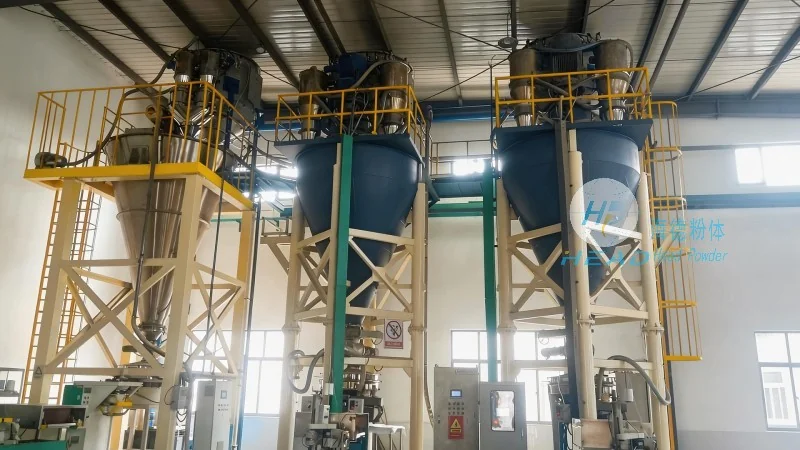
Advantages of the Sawdust Particle Pneumatic Conveying System
The sawdust particle pneumatic conveying system offers several advantages over traditional mechanical conveyors, making it an ideal choice for sawdust processing applications. One of the primary benefits is the elimination of mechanical parts in the pipeline, which reduces the risk of blockages and maintenance requirements. The system is also highly flexible, allowing for changes in the layout or expansion of the facility without significant modifications. Energy efficiency is another key advantage, as the system uses compressed air to transport material, which can be more energy-efficient than traditional belt or screw conveyors, especially for long-distance or high-volume applications. Additionally, the system is compact and can be installed in confined spaces, making it suitable for facilities with limited floor space. The automated control system ensures consistent performance and reduces the need for manual intervention, improving safety and operational efficiency. Overall, the system provides a reliable, cost-effective solution for sawdust transportation, aligning with the needs of modern wood processing industries.
Conclusion
HeadPowder’s sawdust particle pneumatic conveying system equipment is a robust and efficient solution for the transportation of sawdust particles. By leveraging the principles of pneumatic conveying, the system ensures reliable material handling with minimal maintenance and operational costs. The company’s expertise in engineering and manufacturing ensures that the system is tailored to meet the specific needs of each customer, providing a customized solution that enhances productivity and safety. With its headquarters in Shandong, China, HeadPowder continues to innovate and provide high-quality material handling solutions to the global market, supporting the growth and efficiency of wood processing industries worldwide.