

Operation Process and Working Principle of Shredded Paper Pneumatic Conveying System Equipment
Shandong HeadPowder Engineering Co., Ltd., a leading manufacturer in the field of pneumatic conveying systems, specializes in providing efficient and reliable solutions for transporting shredded paper. The company, commonly known as headpowder, is headquartered in Shandong, China, and has established itself as a trusted partner for businesses seeking advanced material handling technologies. This article delves into the operation process and working principle of the shredded paper pneumatic conveying system equipment, highlighting its key components, operational steps, and the underlying mechanisms that ensure smooth and effective material transport.
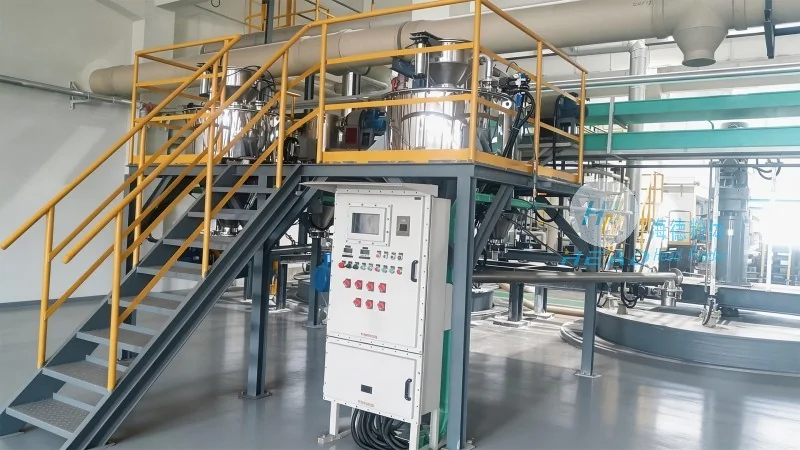
Overview of the Shredded Paper Pneumatic Conveying System
The shredded paper pneumatic conveying system is a sophisticated piece of equipment designed to transport shredded paper from one location to another using air as the primary conveying medium. This system is widely used in various industries, including paper recycling, waste management, and manufacturing, due to its ability to handle bulk materials with minimal maintenance and operational costs. The system typically consists of several key components, including a hopper for material storage, a blower or air compressor to generate the necessary air pressure, a pipeline network for material transport, and a receiver or discharge point for the material to be deposited. Each component plays a crucial role in the overall operation of the system, ensuring that the shredded paper is conveyed efficiently and safely.
Key Components of the System
The shredded paper pneumatic conveying system comprises several essential parts that work in tandem to achieve the desired material transport. The first component is the hopper, which is used to store the shredded paper before it is fed into the system. The hopper is usually made of durable materials such as stainless steel or high-density polyethylene to withstand the weight and abrasiveness of the material. It is equipped with a feeding mechanism, such as a rotary valve or a screw conveyor, that controls the flow of shredded paper into the system. The second component is the blower or air compressor, which generates the air pressure required to move the material. The blower can be either a positive displacement type or a centrifugal type, depending on the system's design and the material's characteristics. The third component is the pipeline network, which consists of pipes of varying diameters and lengths, connected to the hopper and the receiver. The pipes are typically made of corrosion-resistant materials like stainless steel or PVC to prevent material buildup and ensure smooth flow. The fourth component is the receiver or discharge point, where the shredded paper is deposited after being conveyed through the pipeline. The receiver is usually equipped with a dust collection system to prevent air leakage and maintain a clean working environment.
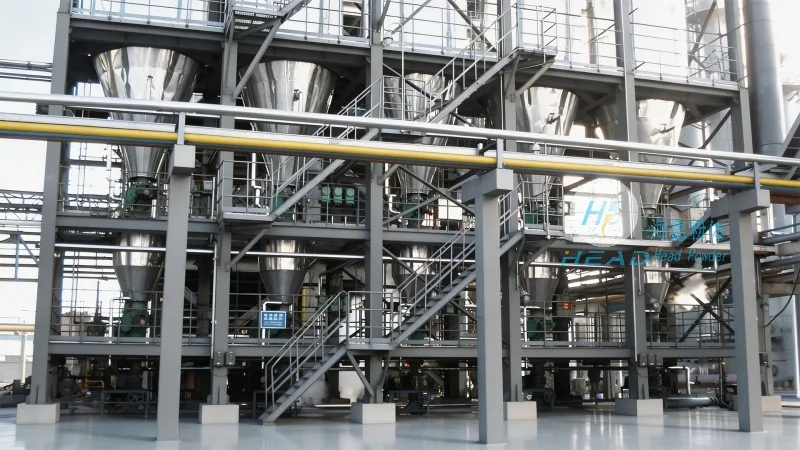
Operation Process of the Shredded Paper Pneumatic Conveying System
The operation of the shredded paper pneumatic conveying system involves several sequential steps that ensure the efficient transport of shredded paper. The first step is the loading of the hopper with shredded paper. The material is fed into the hopper using a feeding mechanism, such as a rotary valve or a screw conveyor, which controls the flow rate to match the system's capacity. The second step is the activation of the blower or air compressor, which generates the necessary air pressure to move the material. The air is then introduced into the pipeline, creating a flow that pulls the shredded paper particles along with it. The third step is the transport of the material through the pipeline network. The shredded paper particles are carried by the air flow, moving from the hopper to the receiver. The fourth step is the discharge of the material at the receiver. The material is deposited into the receiver, where it is collected and prepared for further processing or disposal. The fifth step is the maintenance of the system, which involves regular cleaning of the hopper, pipeline, and receiver to prevent material buildup and ensure optimal performance. The system's operation is typically automated, with sensors and control systems monitoring the flow rate, pressure, and temperature to ensure that the process runs smoothly and efficiently.
Working Principle of the Shredded Paper Pneumatic Conveying System
The working principle of the shredded paper pneumatic conveying system is based on the principle of fluidization and pneumatic transport. The system uses air as the conveying medium, which is introduced into the pipeline at a high velocity, creating a flow that can carry the shredded paper particles. The key to the system's operation is the balance between the air pressure and the material's density. The air pressure must be sufficient to overcome the gravitational force of the material and the friction between the material and the pipeline walls. The system's efficiency depends on the proper design of the pipeline network, the selection of the appropriate blower or air compressor, and the maintenance of the system components. The working principle can be explained as follows: when the blower generates air pressure, the air enters the pipeline and creates a low-pressure zone at the hopper end. This low-pressure zone causes the shredded paper to be drawn into the pipeline by the air flow. As the material moves through the pipeline, it is carried by the air, and the air pressure is maintained to ensure that the material does not settle or clog the pipeline. The receiver end of the pipeline is designed to have a higher pressure than the hopper end, which helps to push the material out of the pipeline and into the receiver. The system's working principle is based on the concept of "air lift," where the air flow lifts the material particles and transports them to the desired location. This principle allows for the efficient and continuous transport of shredded paper, reducing the need for manual handling and improving the overall productivity of the system.
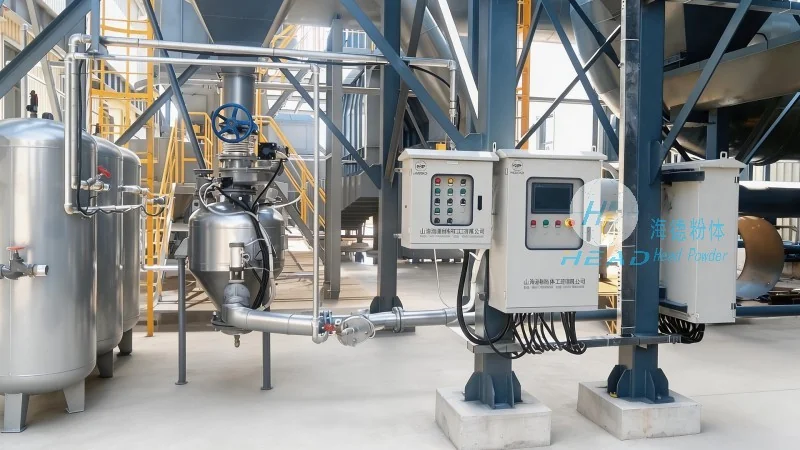
Advantages of the Shredded Paper Pneumatic Conveying System
The shredded paper pneumatic conveying system offers several advantages over traditional material handling methods, such as belt conveyors or manual transport. The first advantage is its efficiency, as the system can transport large quantities of shredded paper over long distances with minimal energy consumption. The second advantage is its flexibility, as the system can be easily modified to accommodate changes in the material flow rate or the distance between the hopper and the receiver. The third advantage is its low maintenance cost, as the system has fewer moving parts compared to traditional conveyors, reducing the need for regular maintenance and repairs. The fourth advantage is its cleanliness, as the system is enclosed, preventing dust and debris from spreading into the environment. The fifth advantage is its safety, as the system eliminates the need for manual handling of heavy or bulky materials, reducing the risk of accidents and injuries. These advantages make the shredded paper pneumatic conveying system an ideal choice for businesses seeking to improve their material handling processes and increase their productivity.
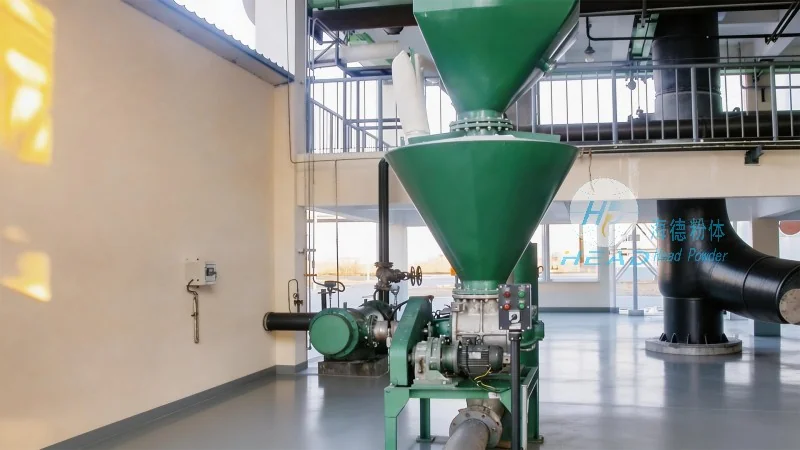
Applications of the Shredded Paper Pneumatic Conveying System
The shredded paper pneumatic conveying system is widely used in various industries, including paper recycling, waste management, and manufacturing. In the paper recycling industry, the system is used to transport shredded paper from collection points to processing facilities, where it is further processed into new paper products. In the waste management industry, the system is used to transport shredded paper from waste sorting facilities to landfills or recycling centers. In the manufacturing industry, the system is used to transport shredded paper from production lines to storage areas or to other processing units. The system's versatility and efficiency make it suitable for a wide range of applications, and its ability to handle bulk materials with minimal maintenance and operational costs makes it a cost-effective solution for businesses in these industries.
Conclusion
Shandong HeadPowder Engineering Co., Ltd. provides high-quality shredded paper pneumatic conveying system equipment that is designed to meet the needs of various industries. The system's operation process and working principle are based on advanced technology and efficient design, ensuring that it can transport shredded paper efficiently and reliably. The company's commitment to quality and customer satisfaction has made it a trusted partner for businesses seeking advanced material handling solutions. The shredded paper pneumatic conveying system is an essential piece of equipment for businesses in the paper recycling, waste management, and manufacturing industries, and its advantages make it a cost-effective and efficient solution for material transport. With its headquarters in Shandong, China, headpowder continues to innovate and provide cutting-edge solutions for the material handling industry.