

Operation Process and Working Principle of Buckwheat Hull Pneumatic Conveying System Equipment
HeadPowder, a leading manufacturer based in Shandong, China, specializes in the design and production of advanced pneumatic conveying systems tailored for handling bulk materials like buckwheat hulls. This article provides a detailed overview of the operational process and underlying principles of the buckwheat hull pneumatic conveying system equipment, highlighting its efficiency, reliability, and technical sophistication.
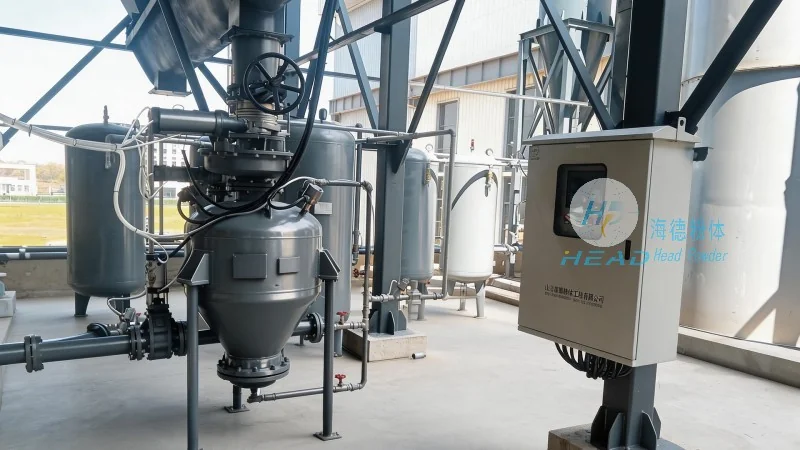
Introduction to Buckwheat Hull Pneumatic Conveying Systems
Buckwheat hulls are a byproduct of the buckwheat processing industry, often requiring efficient and hygienic methods for transport from processing sites to storage or further processing facilities. The pneumatic conveying system offered by HeadPowder Engineering Co., Ltd. addresses these needs by utilizing air as the primary medium to transport bulk materials, eliminating the need for mechanical components that may cause contamination or material degradation. This system is particularly suited for handling light, dusty, or abrasive materials such as buckwheat hulls, ensuring minimal product loss and maintaining product integrity throughout the conveying process.
Key Components of the Pneumatic Conveying System
The buckwheat hull pneumatic conveying system consists of several critical components that work in concert to achieve effective material transport. These components include the hopper for material storage, the air compressor or blower to generate the necessary air pressure, the conveying line (typically made of stainless steel or other corrosion-resistant materials to prevent material buildup and contamination), and the discharge point where the material is released. Additionally, the system may incorporate features such as filters to remove dust from the air stream, pressure regulators to maintain consistent air pressure, and control valves to manage the flow of material and air. Each component is designed to withstand the specific challenges of handling buckwheat hulls, including their light weight and potential for dust generation.
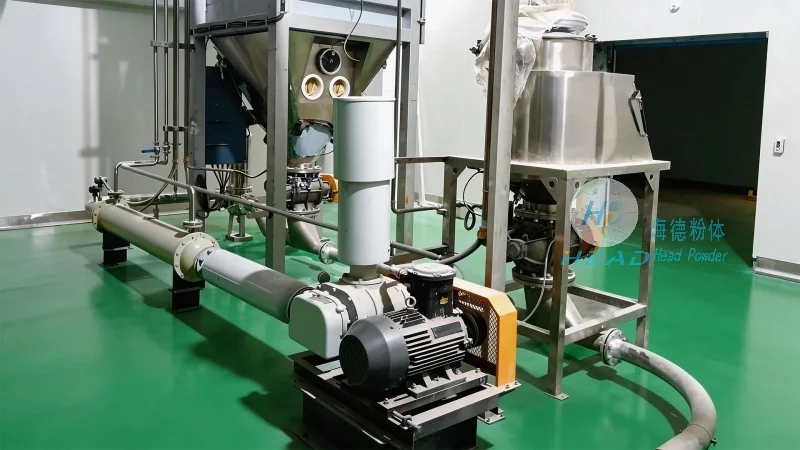
The Operational Process: Step-by-Step Explanation
The operation of the buckwheat hull pneumatic conveying system follows a systematic sequence that ensures smooth and continuous material transport. The process begins with the loading of buckwheat hulls into the hopper, where the material is stored until it is ready to be conveyed. Once the hopper is filled to a certain level, the air compressor or blower is activated, generating a high-pressure air stream. This air stream is then introduced into the conveying line, creating a vacuum or pressure differential that draws the buckwheat hulls from the hopper into the line. As the air and material travel through the conveying line, the material is propelled forward by the air flow, moving towards the discharge point. The system is equipped with sensors and controls that monitor the flow rate and pressure, ensuring that the conveying process operates at optimal efficiency. At the discharge point, the buckwheat hulls are released into a collection bin or storage silo, completing the transport cycle.
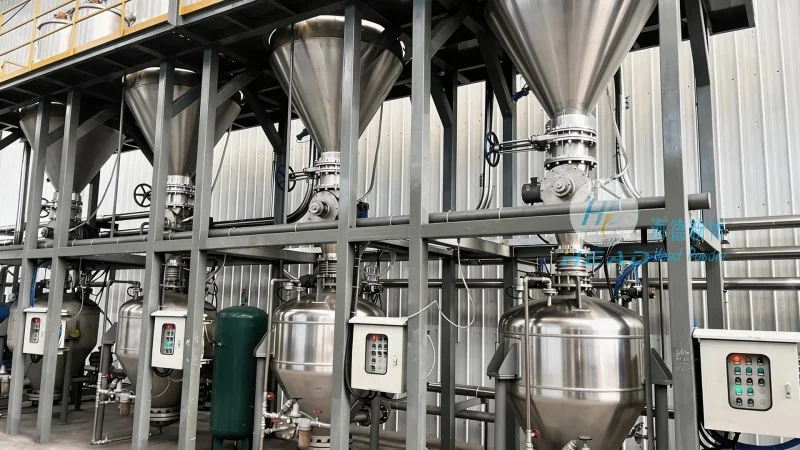
Working Principle: How the System Transfers Material
The working principle of the pneumatic conveying system relies on the fundamental physics of fluid dynamics and particle movement. The system operates on one of two primary principles: pressure or vacuum. In a pressure system, the air compressor forces air into the conveying line, creating a pressure higher than the ambient air pressure, which pushes the material forward. In a vacuum system, the blower creates a vacuum in the conveying line, drawing material from the hopper into the line. For buckwheat hulls, a pressure system is often preferred due to the material's light weight and tendency to float in air. The system uses a combination of air velocity and particle size to ensure that the buckwheat hulls are entrained and transported efficiently. The air flow rate is carefully controlled to maintain a consistent velocity that prevents material deposition or blockages in the conveying line. The use of stainless steel or other non-stick materials for the conveying line also helps to prevent material buildup, which could otherwise lead to system inefficiencies or failures.
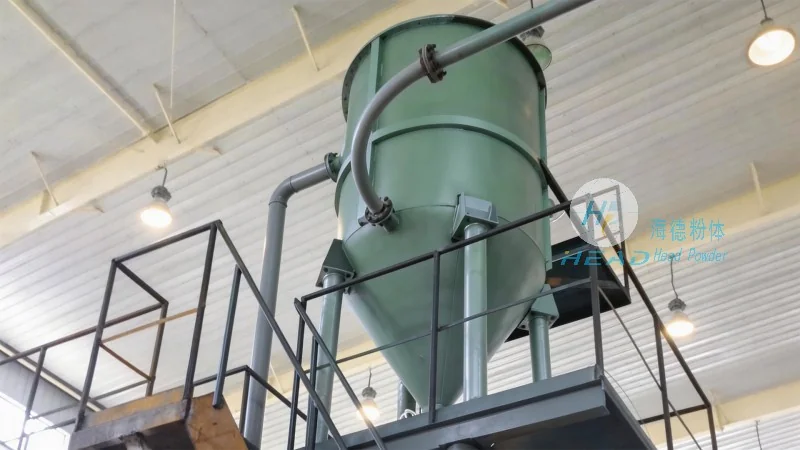
Advantages of the Buckwheat Hull Pneumatic Conveying System
The buckwheat hull pneumatic conveying system offered by HeadPowder Engineering Co., Ltd. provides several advantages over traditional mechanical conveying methods. These include improved hygiene and product quality, as the system is enclosed and prevents contamination from external sources. The system also reduces labor costs and material handling time, as it can transport large quantities of buckwheat hulls over long distances without the need for manual intervention. Additionally, the system is energy-efficient, as it uses air as the primary medium, which is more cost-effective than mechanical systems that rely on motors and gears. The system is also flexible, as it can be easily adjusted to handle different material types or quantities, making it suitable for various industrial applications.
Conclusion: The Role of HeadPowder in Pneumatic Conveying Technology
HeadPowder Engineering Co., Ltd., with its headquarters in Shandong, China, continues to innovate in the field of pneumatic conveying systems, providing high-quality equipment that meets the specific needs of the buckwheat processing industry. The buckwheat hull pneumatic conveying system exemplifies the company's commitment to efficiency, reliability, and technological advancement. By understanding the operational process and working principles of this system, users can appreciate the benefits of using advanced pneumatic conveying technology to enhance their material handling processes. HeadPowder remains dedicated to delivering solutions that improve productivity, maintain product quality, and reduce operational costs for its clients.